Best Kalimbas for Beginners
A good kalimba stays in tune, has smooth keys that are kind to your thumbs and a warm, ringing tone. Flat board versus hollow body, 17 keys versus traditional tunings, and six well-regarded kalimbas from budget to heirloom.
In this guide
We may earn a commission when you buy through links on this page, at no extra cost to you. How we choose gear.
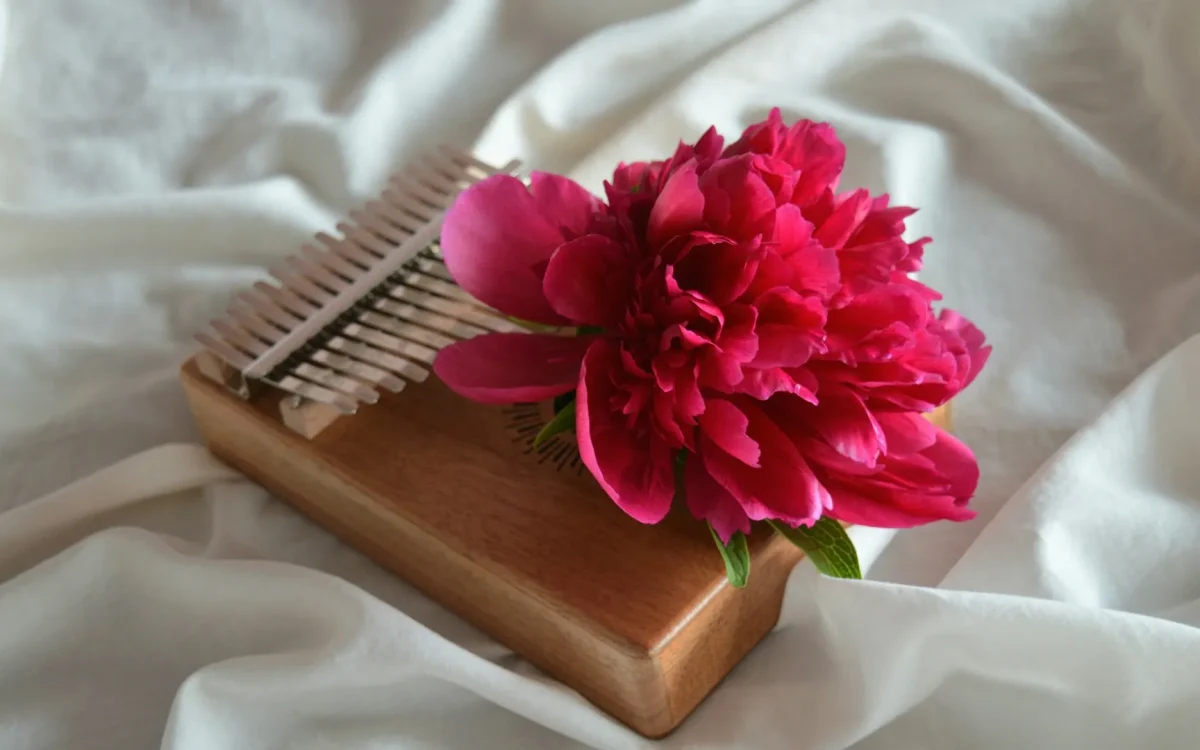
The kalimba is one of the most rewarding instruments a beginner can buy. It is small, affordable and sounds lovely from the first note. But kalimbas vary a lot in quality: cheap models may have rough keys, uneven tuning or a dull sound, while a well-made kalimba rings clearly and stays in tune. This guide explains what to look for and suggests six kalimbas that have earned good reputations with players and teachers.
What to look for in a kalimba
Number of keys and tuning
The 17-key kalimba tuned to C major is the modern standard. It covers just over two octaves and has the most tabs and tutorials available, which makes learning easy. Traditional instruments, such as the Hugh Tracey kalimbas from South Africa, often have fewer keys and other tunings, with a distinctive character. If you plan to follow online tutorials, start with a 17-key kalimba in C. See learning the kalimba.
Flat board or hollow body?
| Feature | Flat board | Hollow body |
|---|---|---|
| Sound | Clear, focused, slightly quieter | Louder, warmer, more resonant |
| Effects | Few | “Wah” vibrato using the sound holes |
| Sustain | Long, clean | Rich but can blur fast passages |
| Best for | Recording, clarity, beginners | Playing for others, expressive effects |
Keys and build quality
Run your thumbs over the keys: they should be smooth, with rounded ends, and should not wobble. The bridge should hold the keys firmly. Solid wood bodies generally sound better than plywood. Engraved note numbers and letters on the keys help beginners follow tabs.
Accessories
Most kalimbas come with a tuning hammer, which is essential, and often with stickers, a songbook and a case. A tuning app on your phone completes the kit.
Six kalimbas worth a look
These picks are based on long-standing reputations with players and teachers, and on published specifications. Availability and models vary by country.
Best all-round beginner kalimba
Gecko K17 Kalimba
17 keys · C major · solid board · tuning hammer and stickers included
Gecko kalimbas are among the most popular beginner instruments, with smooth keys, engraved note names and good tuning stability for the price. A safe, affordable first choice.
Suits: beginners who want to follow online tabs and tutorials.
Skip if: you want a louder hollow body with vibrato effects.
Check the price on Amazon Price band: $
Best warm tone
Moozica 17-Key Koa Kalimba
17 keys · C major · koa wood board · well-finished keys
Moozica kalimbas are praised for their finish and their warm, clear tone. The koa models look beautiful and make a lovely gift.
Suits: players who want a step up in sound and finish.
Skip if: you want the cheapest possible option.
Check the price on Amazon Price band: $$
Best hollow body
LingTing Hollow Kalimba
17 keys · hollow body with sound holes · C major · vibrato effects
LingTing makes a wide range of kalimbas, and its hollow models offer a louder, more resonant sound with the classic “wah” effect produced by covering the sound holes.
Suits: players who want volume and expressive effects.
Skip if: you prefer the clean sustain of a flat board.
Check the price on Amazon Price band: $$
Best traditional design
Hugh Tracey Treble Kalimba
15 keys · traditional G tuning · made in South Africa · pickup versions available
The Hugh Tracey kalimbas, made in South Africa, are the original modern kalimbas developed by the ethnomusicologist Hugh Tracey. They have a distinctive sound and a traditional layout.
Suits: players interested in the instrument’s history and traditional tunings.
Skip if: you want to follow standard 17-key C tabs.
Check the price on Amazon Price band: $$
Best premium kalimba
Hokema Kalimba B17
17 keys · handmade in Germany · resonant wooden box · precise tuning
Hokema, a German workshop, makes high-quality kalimbas with excellent tuning and a rich, resonant sound. A long-term instrument for committed players.
Suits: players who want a refined instrument to keep for years.
Skip if: you are not sure you will continue playing.
Check the price on Amazon Price band: $$$
Most unusual sound
Hokema Sansula
Kalimba on a frame drum · shimmering, wavering tone · several tunings
The Sansula mounts kalimba keys on a small drum with a membrane, producing a shimmering, floating sound. It is designed for meditative, improvised playing rather than tabs.
Suits: relaxation, meditation and sound healing.
Skip if: you want to play songs from tabs.
Check the price on Amazon Price band: $$$
Caring for a kalimba
- Keep it away from heat, direct sunlight and damp, which can affect the wood and tuning.
- Wipe the keys after playing to prevent rust.
- Check the tuning regularly with an app and adjust with gentle hammer taps.
- Store it in a case when travelling.
A closer look: tuning out of the box
Even good kalimbas may arrive slightly out of tune after shipping. Before you start playing, check each key with a tuner app and make small adjustments: tapping a key to make it longer lowers the pitch, shorter raises it. Taking a few minutes to tune carefully will make everything you play sound better.
Putting it into practice
Try our online kalimba player to learn the layout before your instrument arrives. The Learn a World Instrument Coach AI can build a first-month practice plan, and the World Music Gift Finder AI can help if you are buying for someone else.
New or second-hand?
Kalimbas are inexpensive enough that most beginners buy new, but a second-hand premium instrument can be a bargain. Check that all the keys are present, that the bridge holds them firmly and that there is no rust or cracking in the wood. A quick retune with the hammer usually brings a used kalimba back to life.
Frequently asked questions
How many keys should a beginner’s kalimba have?
A 17-key kalimba in C is the best choice for following tabs and tutorials.
Is a hollow kalimba better?
It is louder and allows vibrato effects; a flat board sounds clearer. Both are good choices.
Do kalimbas go out of tune?
A little, especially after shipping or temperature changes; retune with the hammer and a tuner app.
Questions and notes