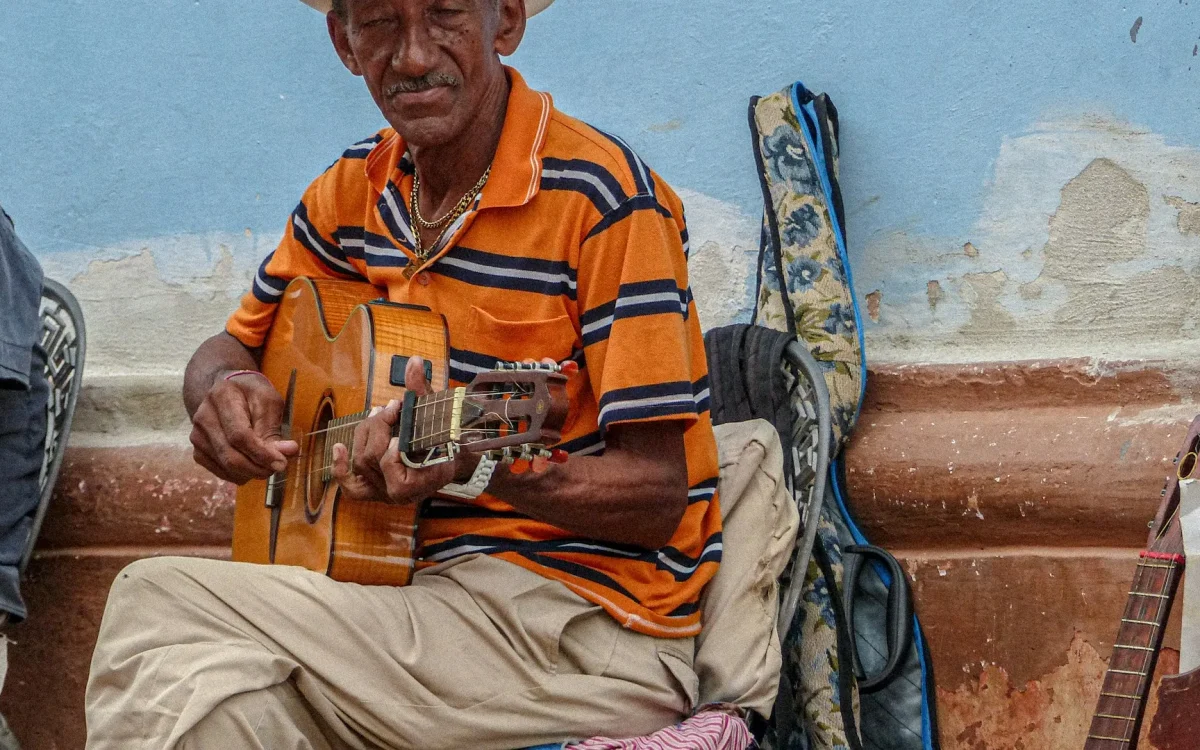
Son Cubano: The Roots of Cuban Music
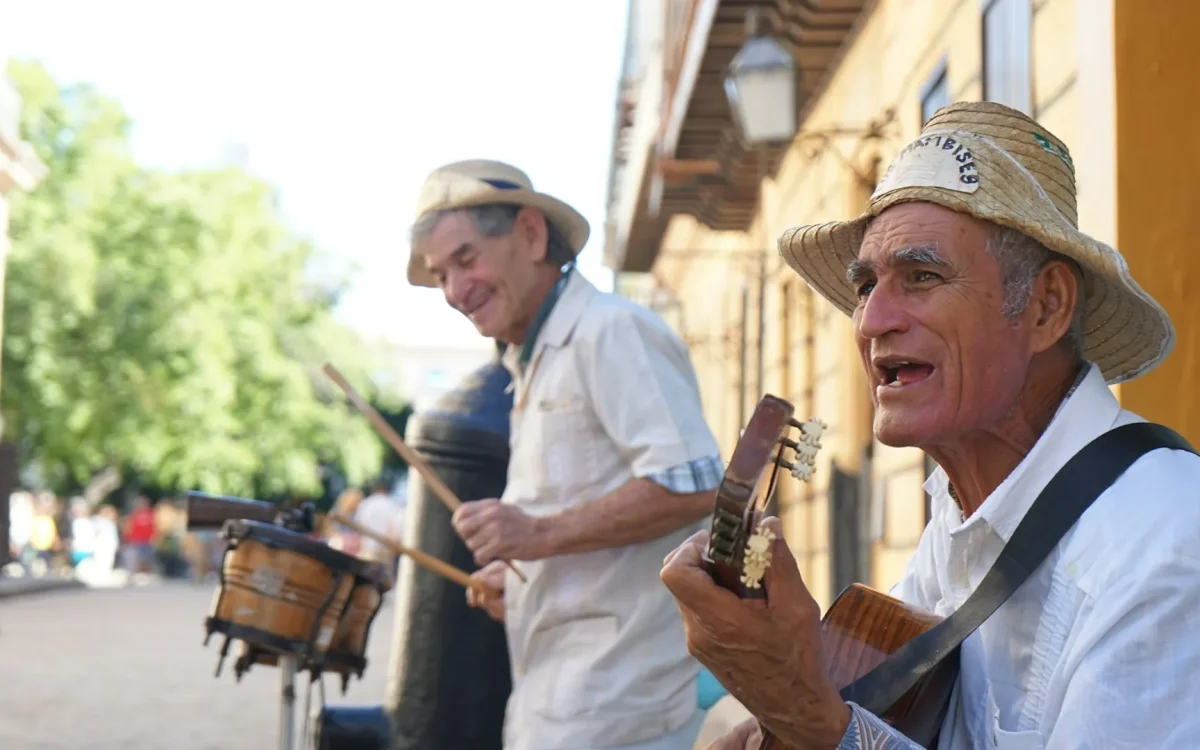
Son is the heart of Cuban popular music and the root of salsa. How it grew in eastern Cuba, the instruments that define it, the great sextets and conjuntos, and…
Hear the World, One Sound at a Time
Salsa, son, bossa nova, samba, tango, cumbia, reggae and more: the rhythms, history and essential sounds of Latin America and the Caribbean.
14 guides
Son is the heart of Cuban popular music and the root of salsa. How it grew in eastern Cuba, the instruments that define it, the great sextets and conjuntos, and…
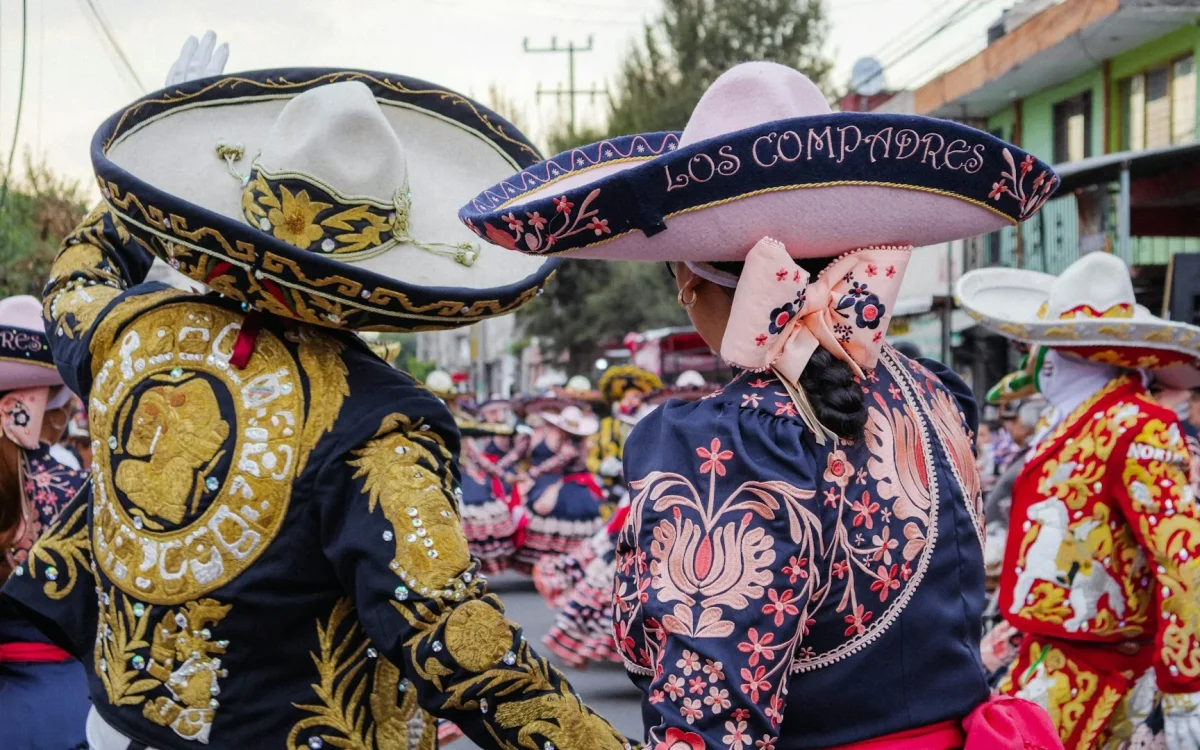
Mariachi is Mexico's most famous musical tradition, with trumpets, violins, guitars and powerful voices. Its origins in western Mexico, the instruments of the ensemble, its song styles and where to…
Merengue and bachata are the two great musical gifts of the Dominican Republic. One is fast and festive, the other romantic and guitar-driven. Their histories, instruments and how to tell…
Latin jazz was born when Afro-Cuban rhythms met New York jazz in the 1940s. The pioneers, the landmark meeting of Dizzy Gillespie and Chano Pozo, the great bandleaders and the…
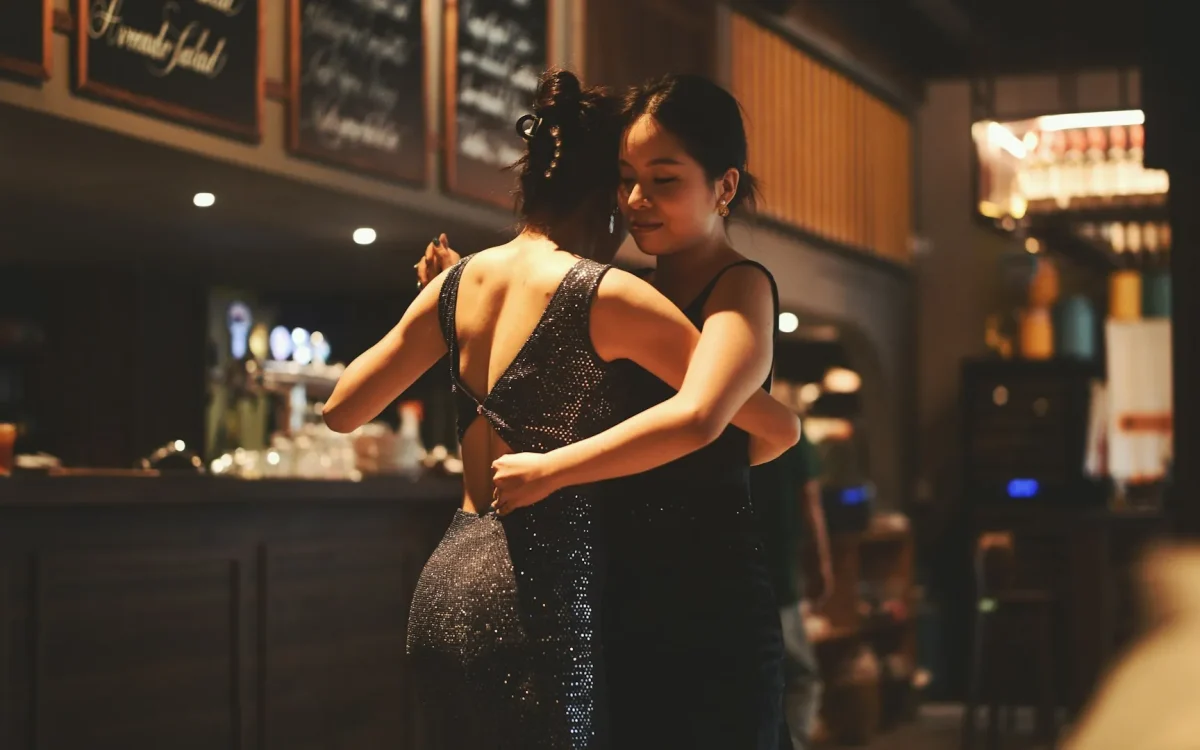
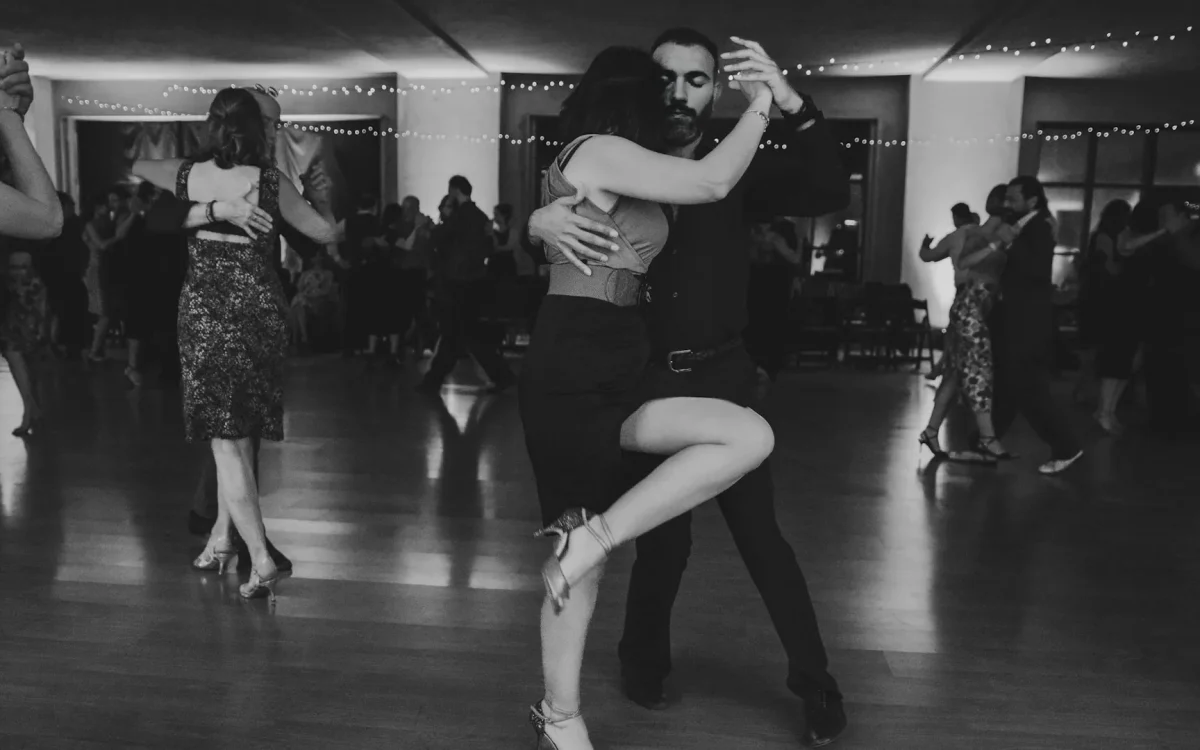
Tango was born on the banks of the Río de la Plata and became one of the world's most passionate musical traditions. Its immigrant roots, the bandoneón, the Golden Age…
Salsa grew up in New York from Cuban and Puerto Rican roots and became the sound of Latin dance floors worldwide. Where it came from, how the band fits together,…
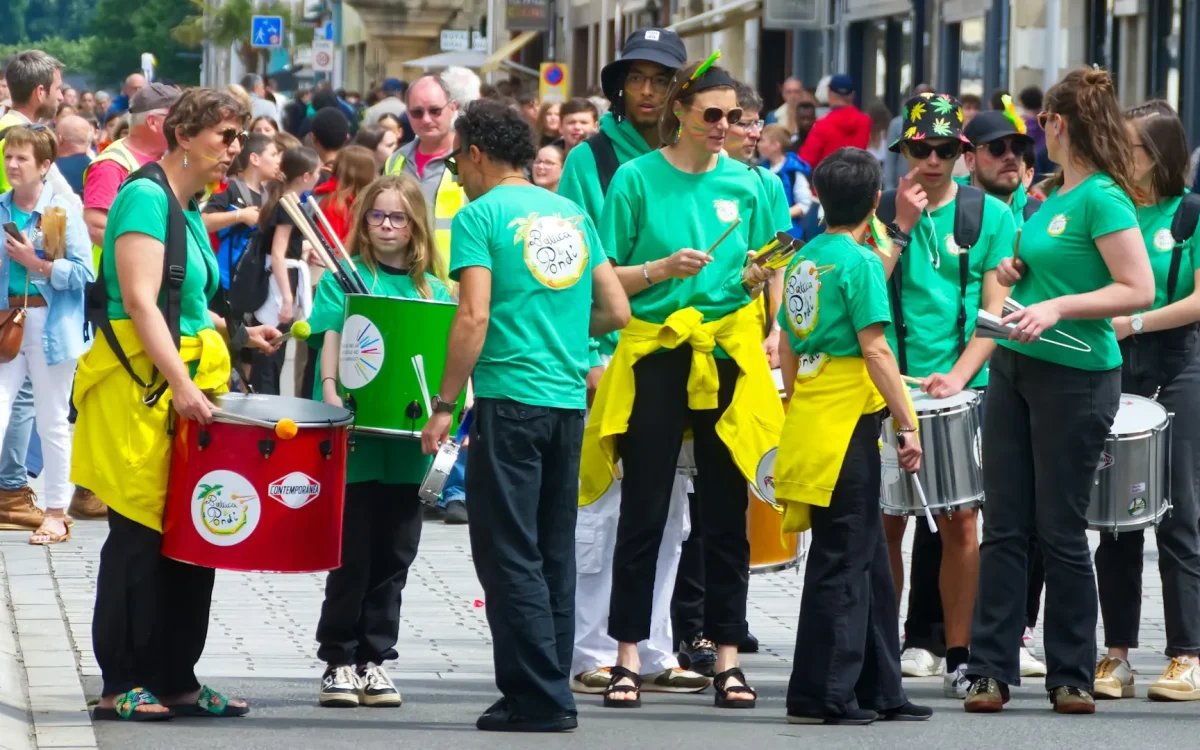
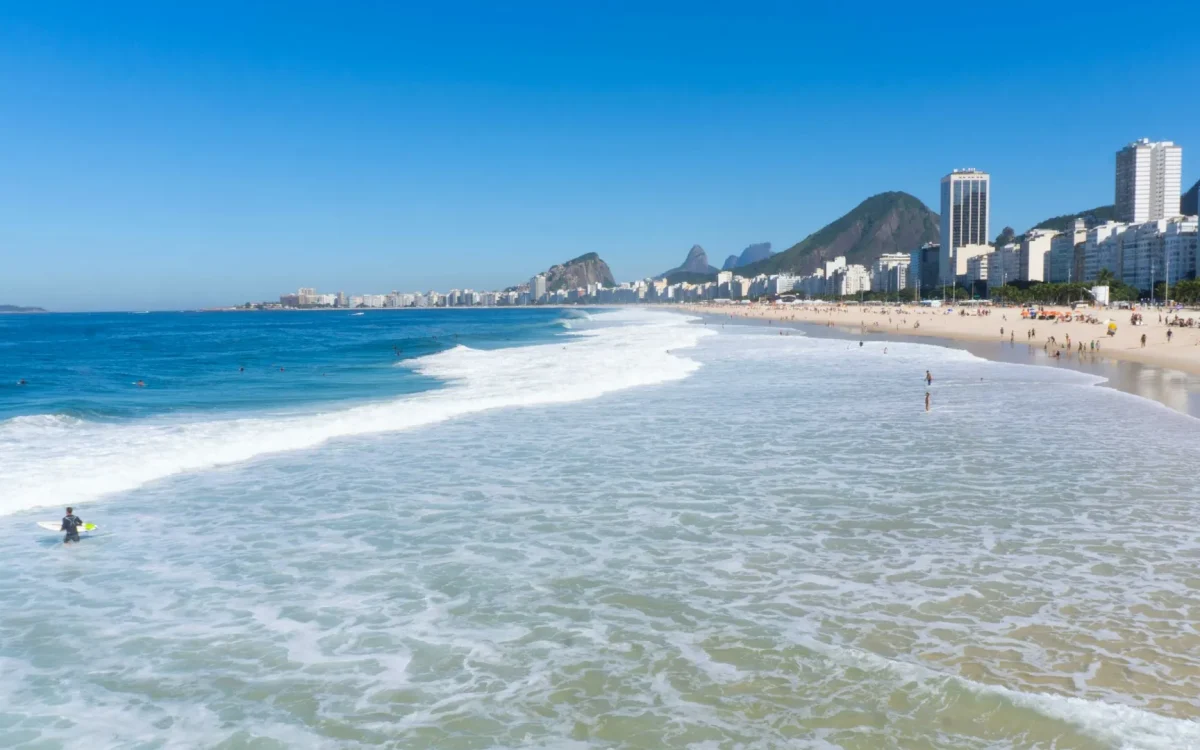
Samba is Brazil's national rhythm, born from Afro-Brazilian traditions and made famous by Rio's carnival. Its history, the instruments of the bateria, the samba schools and the many styles of…
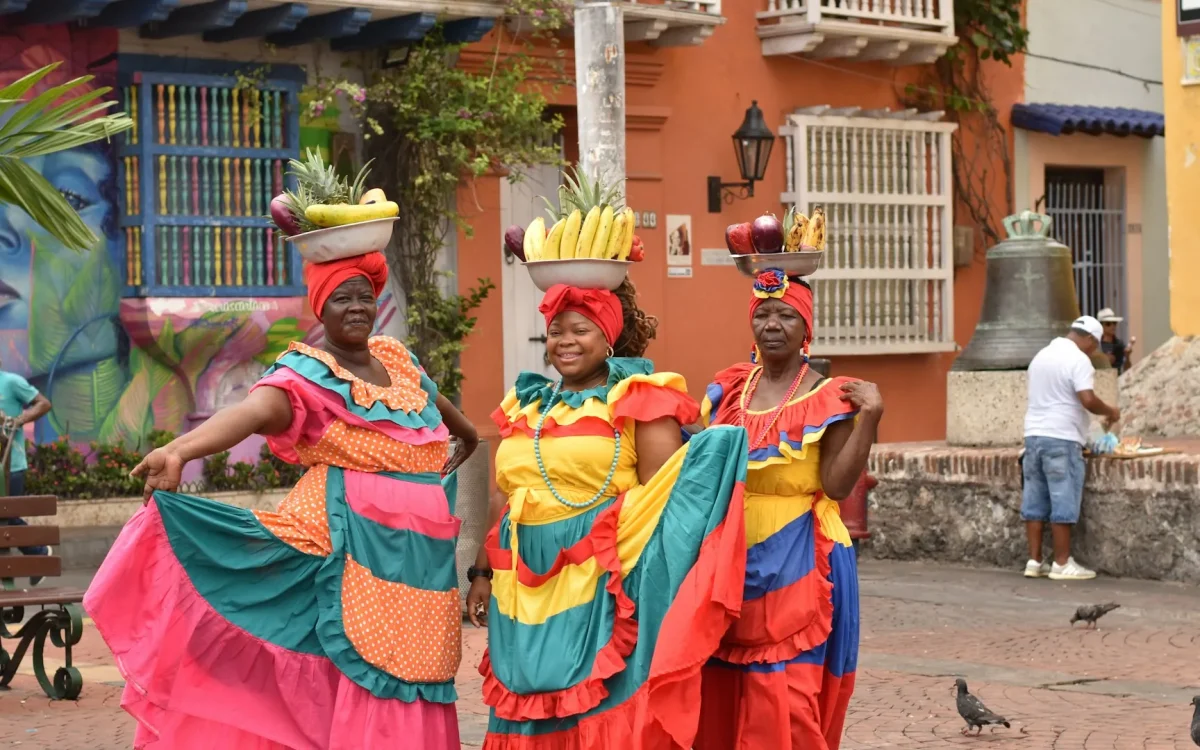
Cumbia began on Colombia's Caribbean coast and travelled across Latin America, transforming in every country it reached. Its roots, instruments, rhythm and regional styles from Mexico to Peru and Argentina.
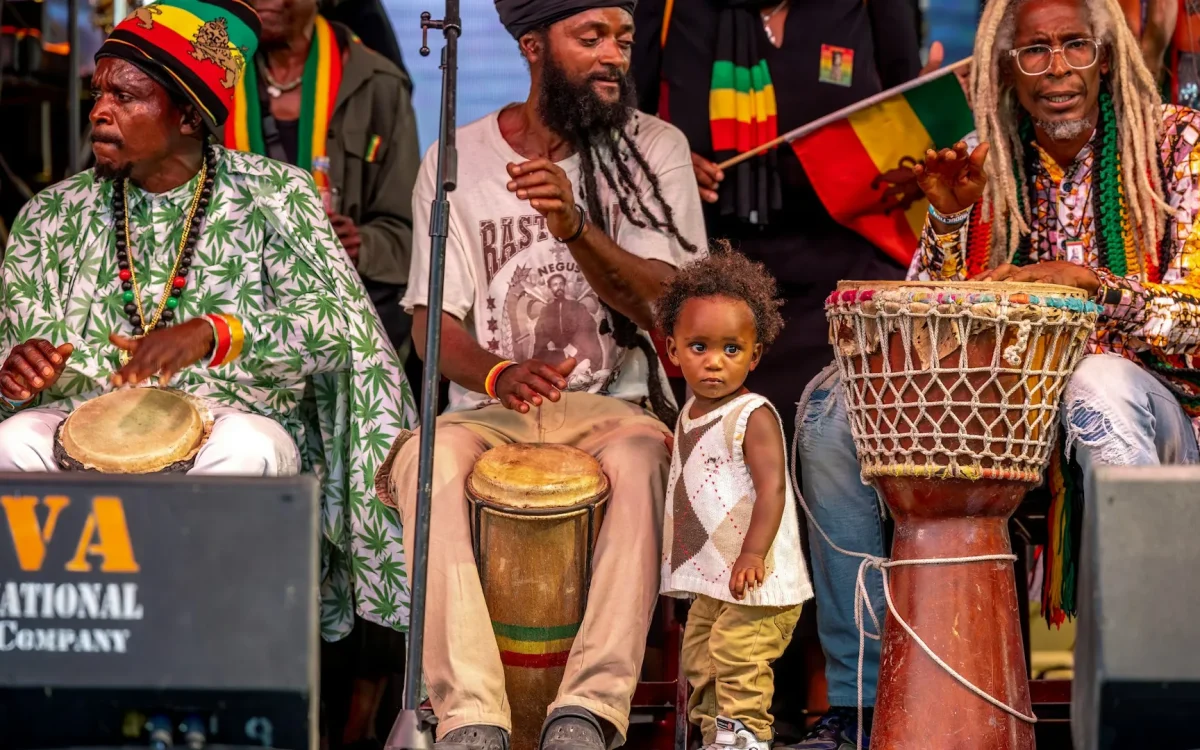
Reggae grew from ska and rocksteady in late-1960s Jamaica and carried a message of resistance and spirituality around the world. How the rhythm works, the key artists, dub, dancehall and…
The clave is a short, five-stroke pattern that organises salsa, son, rumba and much Latin music. What son clave and rumba clave are, what 3-2 and 2-3 mean, and how…
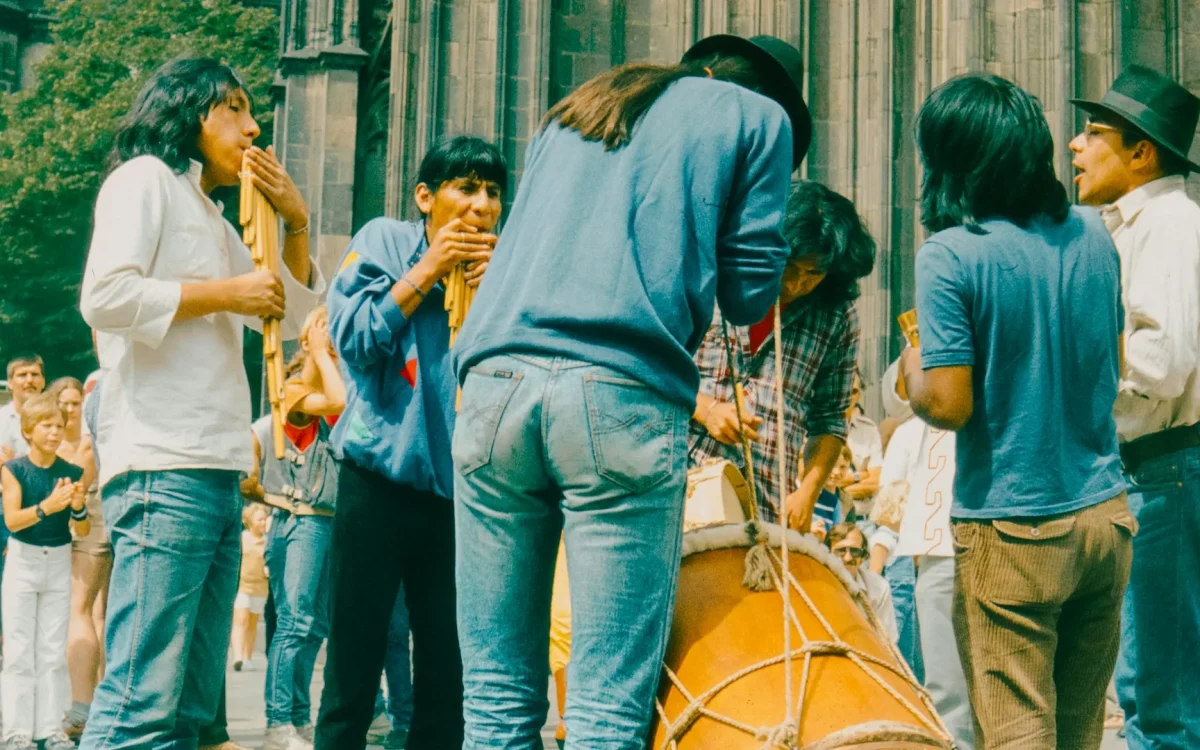
The music of the Andes, from Peru and Bolivia to Ecuador, Chile and Argentina, combines Indigenous flutes and panpipes with string instruments brought by the Spanish. Its instruments, the huayno,…
Brazil's music is far richer than samba alone. Choro's virtuoso instrumental tradition, forró from the Northeast, frevo and maracatu from Pernambuco, the songwriters of MPB and the bold experiments of…
Bossa nova turned samba into an intimate, sophisticated style in late-1950s Rio de Janeiro. The people who created it, the guitar rhythm at its core, its jazz connection and the…
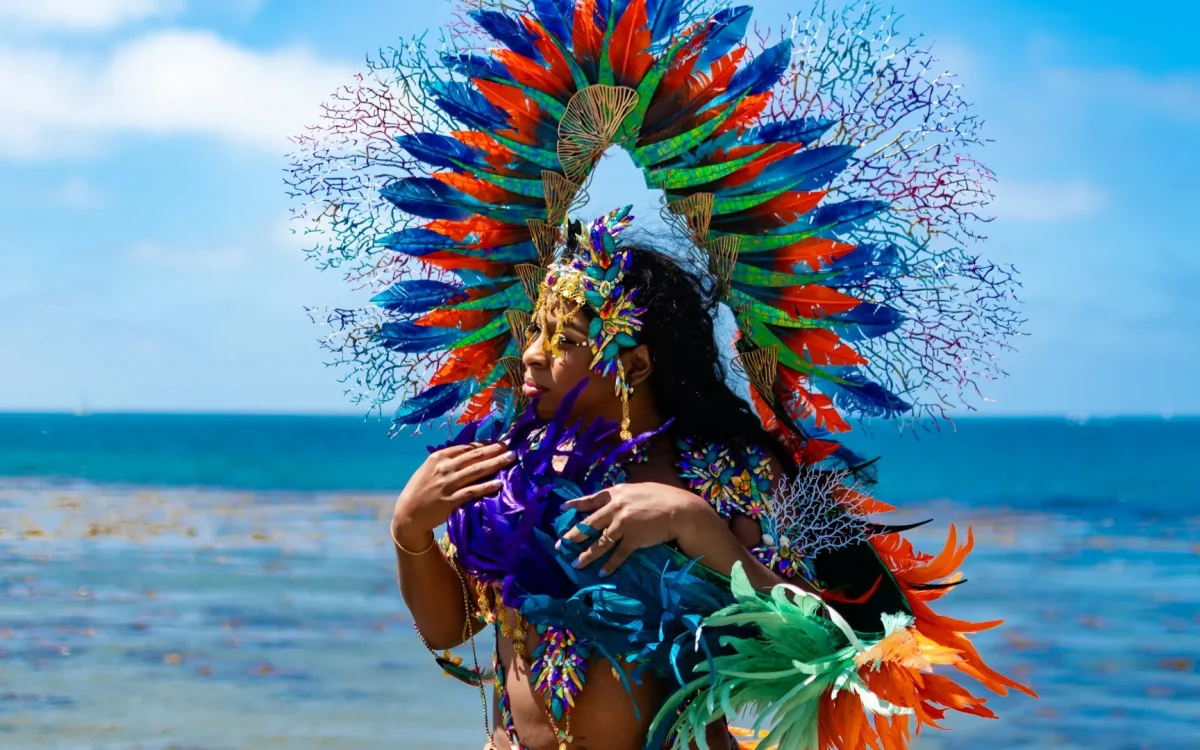
Calypso and soca are the sounds of Trinidad and Tobago's carnival. Calypso's witty social commentary, the great calypsonians, the birth of soca in the 1970s and how both styles power…
The weekly world music letter
A new guide, a listening suggestion and a festival tip in your inbox each week. Free, and easy to leave.