Calypso and Soca: Trinidad’s Carnival Music
Calypso and soca are the sounds of Trinidad and Tobago's carnival. Calypso's witty social commentary, the great calypsonians, the birth of soca in the 1970s and how both styles power carnival today.
In this guide
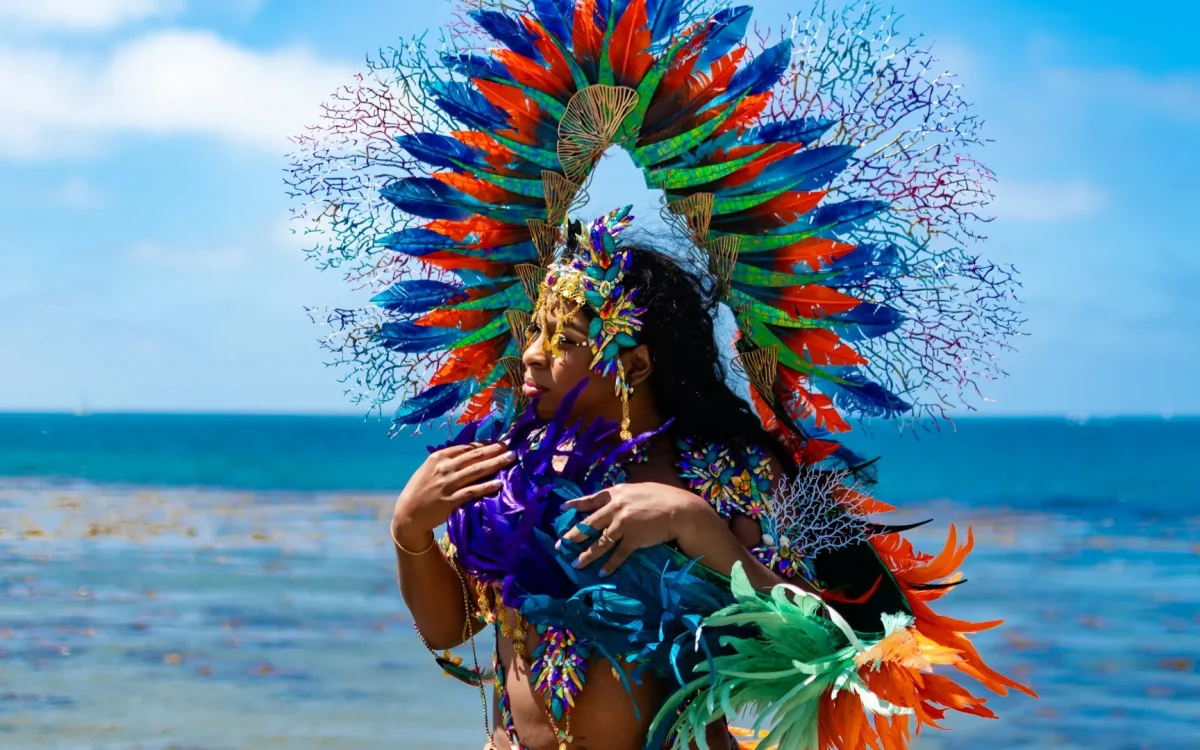
Trinidad and Tobago is famous for one of the world’s greatest carnivals, and its music is the engine of the celebration. Calypso, with its witty lyrics and social commentary, has been the island’s voice for more than a century. Soca, born in the 1970s, took calypso’s spirit and turned it into high-energy dance music. Together they form a musical tradition that has influenced Caribbean music worldwide. This guide introduces both styles and their place in carnival.
The roots of calypso
Calypso developed in Trinidad from the traditions of enslaved Africans and their descendants, including West African storytelling and song, and the chantwell singers who led call-and-response songs during carnival. Its earlier form was known as kaiso. Over time, calypso absorbed influences from French Creole culture, British rule and other Caribbean traditions. By the early twentieth century, calypsonians performed in tents during carnival season, and recordings began to spread the music abroad.
Calypso as commentary
Calypso is a storytelling tradition. Calypsonians comment on politics, scandals, social issues, everyday life and the news, often with humour, double meanings and sharp wit. They traditionally take colourful stage names, such as Lord Kitchener and the Mighty Sparrow, two of the most celebrated calypsonians, who were famous for their clever lyrics and memorable melodies. Calypso competitions during carnival, including the Calypso Monarch, crown the best performers.
Calypso goes international
In the mid-twentieth century, calypso gained international attention. Lord Kitchener lived in Britain for many years and recorded songs about life there. In the United States, the singer Harry Belafonte’s 1956 album Calypso became a huge success, introducing many listeners to Caribbean songs, though often in a softened style. Calypso’s influence spread across the English-speaking Caribbean and beyond.
The birth of soca
In the 1970s, the calypsonian Lord Shorty (Garfield Blackman) began experimenting with combining calypso and influences from East Indian music in Trinidad, which has a large Indo-Trinidadian community. The result was soca, often described as the “soul of calypso”. Soca’s faster tempo, emphasis on rhythm and danceable energy made it ideal for carnival. In the following decades, soca became the dominant sound of Trinidad’s carnival and spread across the Caribbean and its diaspora.
Calypso and soca compared
| Feature | Calypso | Soca |
|---|---|---|
| Focus | Lyrics, storytelling, commentary | Rhythm, energy, dancing |
| Tempo | Moderate | Fast |
| Origin | Late nineteenth/early twentieth century | 1970s |
| Typical setting | Calypso tents, competitions | Fetes, road march, parties |
Power soca and groovy soca
Modern soca is often divided into power soca, very fast and energetic with lyrics encouraging the crowd to jump and wave, and groovy soca, slower and more melodic. Each year, artists release new songs ahead of carnival, competing to have the most popular song of the season. The Road March title goes to the song played most often as bands parade through the streets.
Steelpan and carnival
Trinidad is also the birthplace of the steelpan, invented in the twentieth century from oil drums. Steel bands play arrangements of calypso and soca, and the Panorama competition during carnival is one of the highlights of the season. See the steelpan and our Trinidad carnival guide.
A closer look: listening to calypso lyrics
To appreciate calypso fully, listen closely to the words. Many classic calypsos tell a story with a twist at the end, play with double meanings or offer pointed commentary wrapped in humour. Lyrics often refer to local events, so a little background helps. Reading about the context of a famous calypso or asking the Music Culture Storyteller AI can reveal layers of meaning that make the music even more enjoyable.
Putting it into practice
Listen to classic calypsos by Lord Kitchener and the Mighty Sparrow, then to modern soca from recent carnivals. Compare the focus on lyrics versus rhythm. The Global Playlist Curator AI can build a calypso and soca playlist across the decades.
Calypso tents and fetes
In the weeks before carnival, Trinidad comes alive with music events. Calypso tents are venues where calypsonians perform their new songs for audiences who judge the wit of the lyrics as much as the melody. Fetes are large parties, often outdoors, where the newest soca hits are played and tested on the crowd. Some fetes start at dawn, some take place on beaches, and many involve paint, powder or water. Visiting a calypso tent and a fete gives a full picture of Trinidad’s music culture: one focused on words and storytelling, the other on pure energy and dancing.
Soca around the Caribbean
Soca is now the sound of carnivals throughout the Caribbean and its diaspora, from Barbados’s Crop Over and Grenada’s Spicemas to Notting Hill Carnival in London, Caribana in Toronto and the West Indian Day Parade in New York. Each island has its own stars and styles, and artists travel from carnival to carnival throughout the year. Soca has also blended with dancehall, Afrobeats and electronic music, keeping it fresh for new generations.
Frequently asked questions
What is the difference between calypso and soca?
Calypso focuses on lyrics and storytelling. Soca is faster and focused on dancing and carnival energy.
Who created soca?
The Trinidadian calypsonian Lord Shorty is credited with creating soca in the 1970s.
What is a road march?
The song played most often by bands parading through the streets during carnival.

Questions and notes