Merengue and Bachata: The Sounds of the Dominican Republic
Merengue and bachata are the two great musical gifts of the Dominican Republic. One is fast and festive, the other romantic and guitar-driven. Their histories, instruments and how to tell them apart.
In this guide
The Dominican Republic, which shares the island of Hispaniola with Haiti, has given the world two of its most popular dance styles. Merengue is fast, joyful and driven by drums and accordion. Bachata is romantic and guitar-led, telling stories of love and heartbreak. Both began as music of ordinary people, both faced periods of disdain from the elite, and both became symbols of Dominican identity loved around the world. This guide introduces each style and explains how to tell them apart.
Merengue: the national rhythm
Merengue developed in the nineteenth century, with roots in African, European and Caribbean traditions. Its rural form, known as merengue típico or perico ripiao, is played by a small group of accordion, tambora and güira, sometimes with a saxophone and bass. The accordion arrived through trade with Germany and became central to the sound. In the twentieth century, merengue moved into dance halls and orchestras, and under the dictatorship of Rafael Trujillo (1930–1961) it was promoted as a national music.
The merengue trio
| Instrument | Role |
|---|---|
| Accordion | Fast melodies and riffs |
| Tambora | Two-headed drum played with a stick and hand, driving the rhythm |
| Güira | Metal scraper keeping a constant, energetic pulse |
| Saxophone | Added in many groups for melodies and solos |
| Bass | Supports the harmony and rhythm |
The güira’s relentless scraping is one of merengue’s most recognisable sounds. Orchestral merengue adds brass, piano and backing vocals.
Merengue’s golden years
From the 1970s to the 1990s, merengue became a pan-Latin phenomenon. Bandleaders such as Johnny Ventura and Wilfrido Vargas modernised the style with brass sections and dazzling arrangements, and merengue rivalled salsa on dance floors across Latin America and in New York. Juan Luis Guerra brought sophistication and poetic lyrics to merengue and bachata with his group 4.40. In 2016, UNESCO recognised merengue as part of the Intangible Cultural Heritage of Humanity.
Bachata: from the margins to the world
Bachata emerged in the 1960s in rural areas and poor urban neighbourhoods. It grew from the guitar-based bolero and other Latin styles, with lyrics about love, loss and everyday struggles. For years, bachata was looked down on by the middle and upper classes and called “música de amargue” (music of bitterness). It was played on small radio stations and in bars rather than on mainstream media. Over the following decades, bachata gradually gained acceptance and, by the 1990s and 2000s, international popularity.
The bachata sound
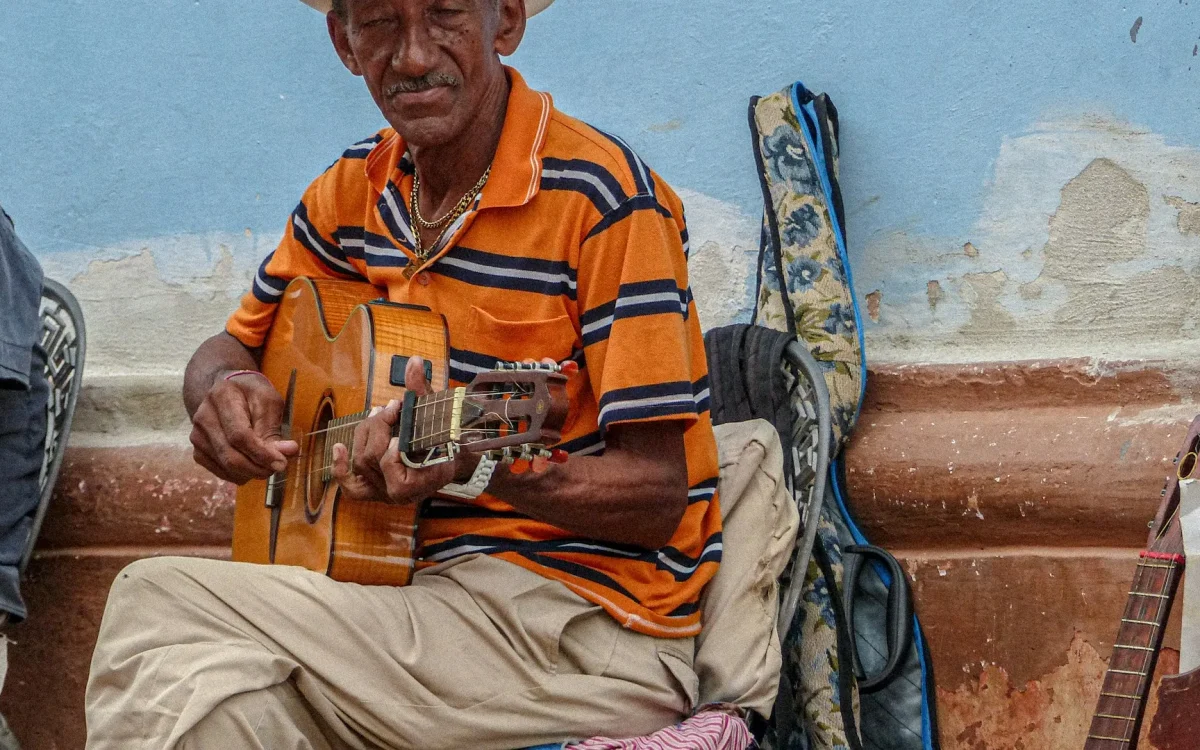
A classic bachata group includes a lead guitar called the requinto, which plays bright, intricate melodic lines; a rhythm guitar; an electric bass; bongos; and a güira. The rhythm has four beats, with a distinctive syncopated feel and a characteristic accent at the end of each phrase. Bachata vocals are emotional and expressive. Groups such as Aventura, led by Romeo Santos, brought a modern, urban style of bachata to international audiences. UNESCO recognised bachata in 2019.
How to tell them apart
| Feature | Merengue | Bachata |
|---|---|---|
| Tempo | Fast | Moderate |
| Lead instrument | Accordion or saxophone | Requinto guitar |
| Mood | Festive, energetic | Romantic, emotional |
| Feel | Two-beat march | Four-beat sway with a tap |
The dances
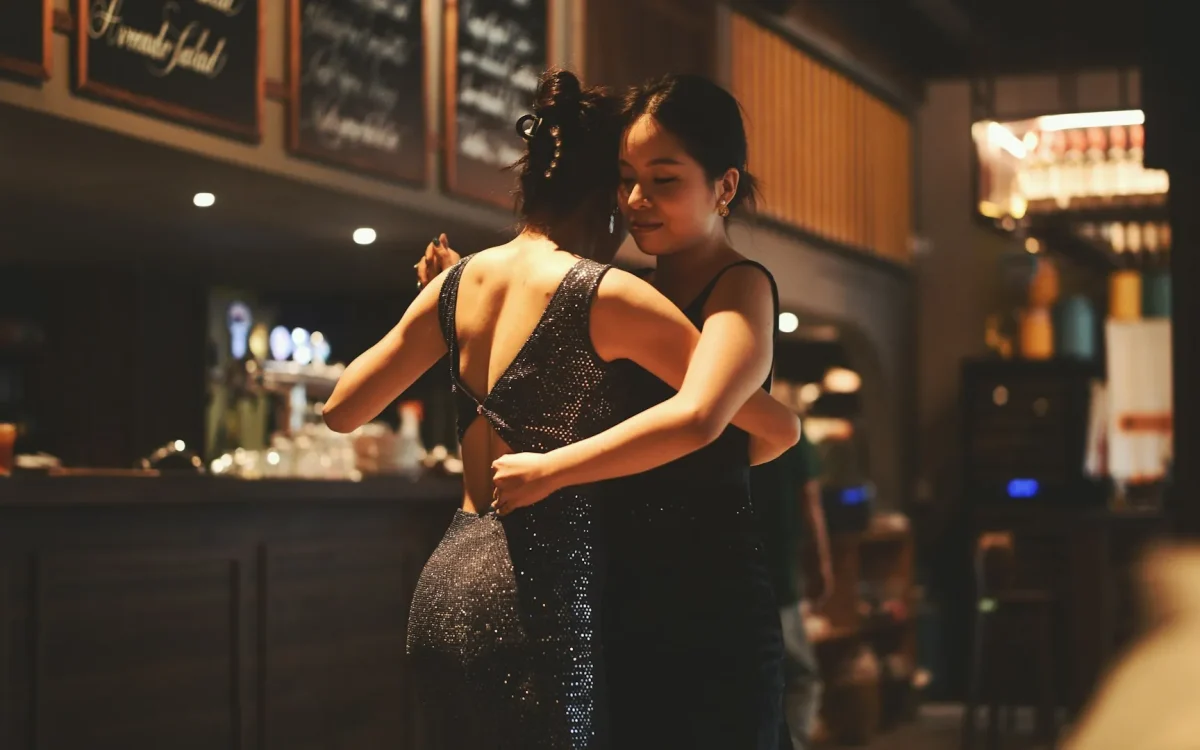
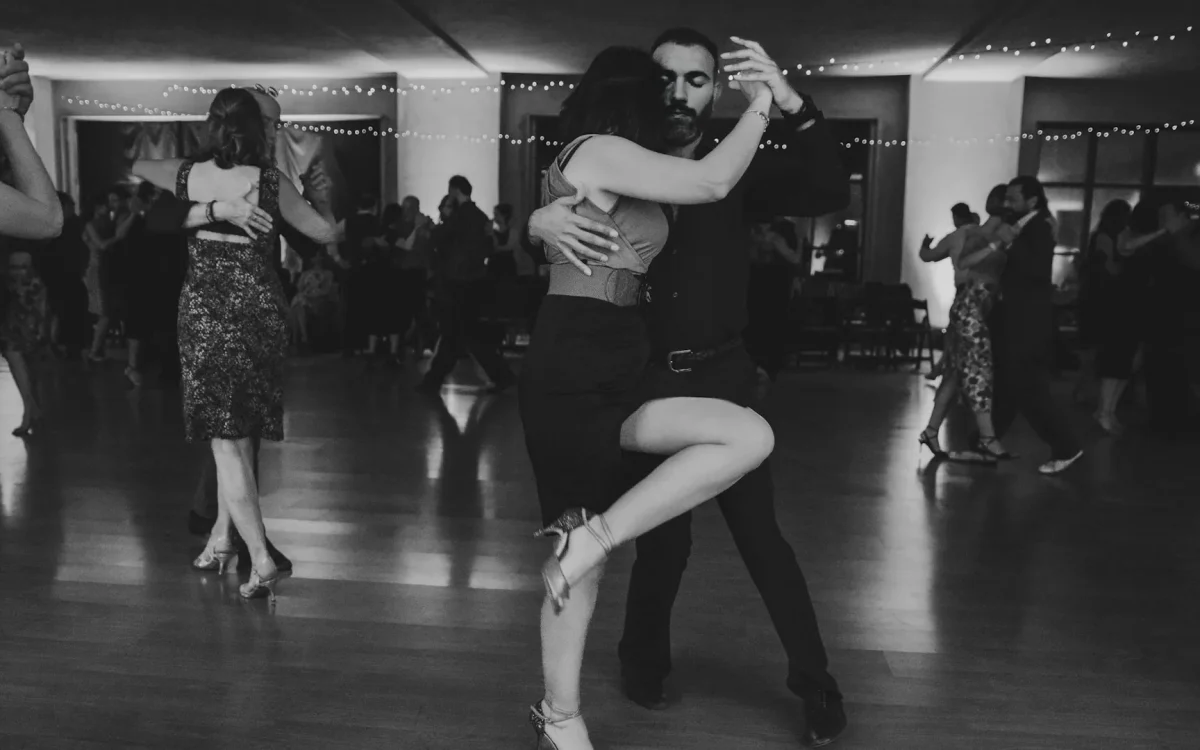
Merengue dancing is accessible to beginners: partners march in a steady two-step rhythm with hip movement, adding turns. Bachata dancing involves a side-to-side step pattern of three steps and a tap or hip movement on the fourth beat. Both are taught in Latin dance schools worldwide, and many dancers learn them alongside salsa. See our salsa listening guide.
A closer look: listening for the requinto
In bachata, the requinto guitar is the star. It plays fast, sparkling runs between the vocal lines and often has a slightly bright, metallic tone. When you listen, follow the requinto’s answers to the singer, almost like a second voice. Then listen to the bongos switch to a cowbell during the more intense sections called the mambo, a feature borrowed from Cuban music. These details give bachata its emotional rise and fall.
Putting it into practice
Listen to a merengue típico track, an orchestral merengue and a classic and modern bachata. Clap the beat and notice the different feels. The Global Playlist Curator AI can build a Dominican music playlist, and the Music Culture Storyteller AI can tell you more about the history of each style.
Where to hear them live
In the Dominican Republic, merengue and bachata are everywhere: in neighbourhood bars called colmados, at beach parties, on public buses and in large concert venues. Santo Domingo’s colonial zone hosts live music on weekends, and the city’s annual merengue festival celebrates the national rhythm. Outside the island, New York’s Dominican communities, especially in Washington Heights, have strong scenes, and Latin dance festivals around the world include bachata and merengue workshops. Listening live is the best way to feel how closely the musicians and dancers respond to one another.
Frequently asked questions
Which is faster, merengue or bachata?
Merengue is usually faster and more festive. Bachata is slower and romantic.
What is a güira?
A metal scraper played with a brush-like stick, central to both styles.
Why was bachata once looked down on?
It was associated with poor rural and urban communities and considered unrefined by the elite.
Questions and notes