Son Cubano: The Roots of Cuban Music
Son is the heart of Cuban popular music and the root of salsa. How it grew in eastern Cuba, the instruments that define it, the great sextets and conjuntos, and how the Buena Vista Social Club brought it back to the world.
In this guide
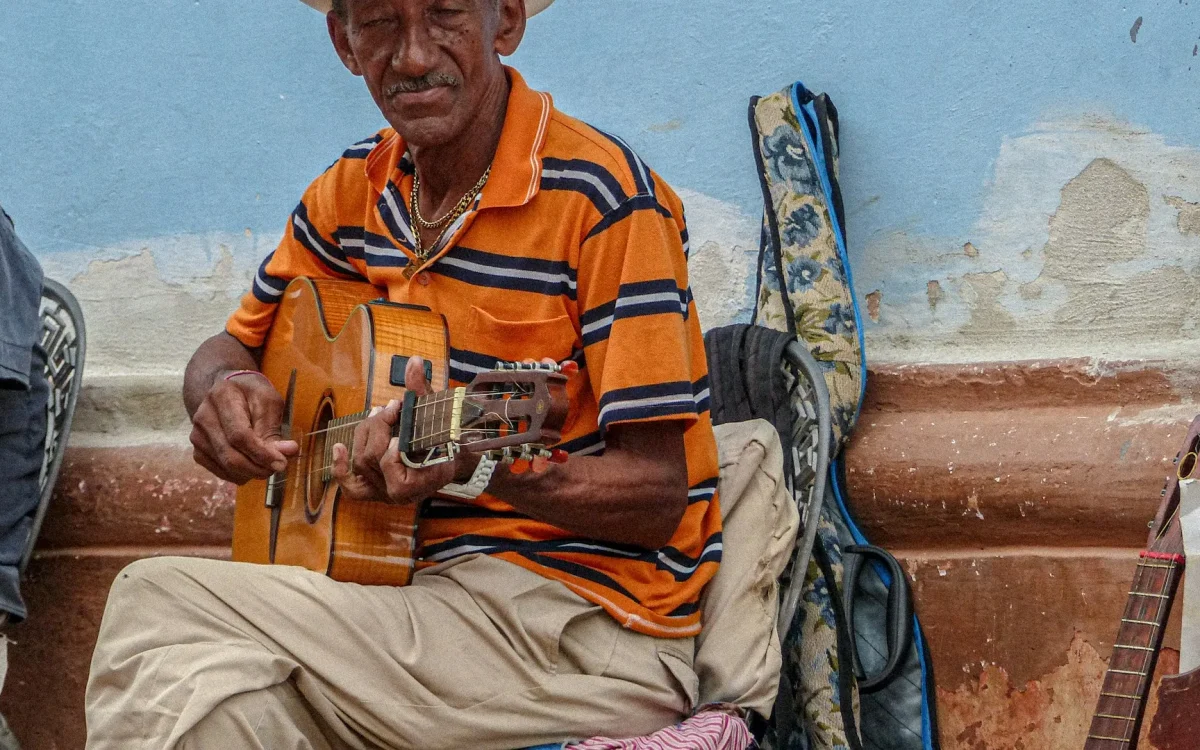
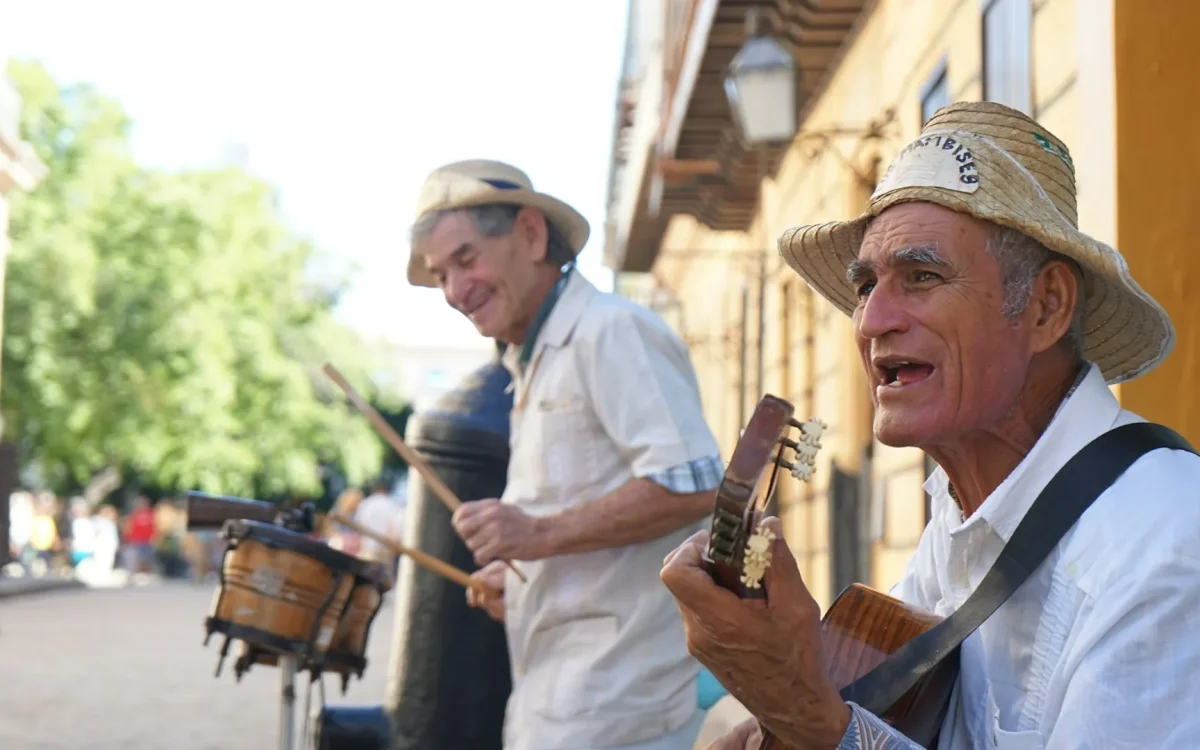
If you have ever heard a Cuban street band play in Havana or Santiago, the sound probably came from son. Son cubano is the foundation of Cuban popular music and the root of salsa, mambo and much of the Latin music heard around the world. It blends Spanish song and guitar traditions with African rhythm and call-and-response singing, creating a style that is relaxed and elegant yet irresistibly danceable. This guide explores where son came from, how it sounds and how to start listening.
Origins in eastern Cuba
Son developed in the rural eastern part of Cuba, around Oriente province and the city of Santiago de Cuba, in the late nineteenth and early twentieth centuries. It combined the guitar-based songs of Spanish settlers with the drums, rhythms and vocal styles brought by Africans and their descendants. Early son was played by small groups at parties and gatherings. In the 1910s and 1920s, son travelled to Havana, where it quickly became the most popular dance music on the island and began to be recorded.
The instruments of son
| Instrument | What it does |
|---|---|
| Tres | A guitar with three pairs of strings; plays bright, syncopated melodic patterns |
| Guitar | Provides harmony and rhythmic strumming |
| Bongos | Small drums that keep a steady pattern and improvise |
| Maracas | Shakers that drive the pulse |
| Claves | Two wooden sticks that play the clave pattern |
| Bass | Originally the marímbula or botija, later the double bass |
| Trumpet | Added in the 1920s, playing melodic lines and solos |
The tres is the signature sound of son. Its short, rhythmic phrases, called guajeos, are the ancestors of the piano montuno in salsa.
The structure of a son
A typical son has two parts. The first, sometimes called the largo, presents the song’s verses, often with lyrics about love, the countryside or daily life. The second part is the montuno, where a short chorus repeats while the lead singer improvises lines in reply, and the tres or trumpet adds solos. This call-and-response section is where the energy rises and dancers come alive. The same two-part shape carried into salsa decades later. See our salsa listening guide.
Sextets and septets
In the 1920s, son groups in Havana grew into sextets and then septets with the addition of a trumpet. The Sexteto Habanero and the Septeto Nacional, led by the composer Ignacio Piñeiro, were among the most famous. Their recordings spread son across Cuba and beyond, and Piñeiro’s songs became standards. The Trío Matamoros, from Santiago, made the gentle, guitar-led side of son famous with their elegant harmonies.
Arsenio Rodríguez and the conjunto
In the 1940s, the blind tres player and bandleader Arsenio Rodríguez transformed son by expanding the group into a conjunto. He added the conga drum, piano and several trumpets, giving the music more power and complexity. His style, sometimes called son montuno, emphasised the driving montuno section and strong bass lines. Many musicians regard Arsenio as one of the most important figures in the development of salsa, and his influence can be heard in New York bands of the 1960s and 1970s.
Son’s family tree
Son is part of a family of related styles. The guaracha is lively and humorous. The bolero is slow and romantic, often sung by trios. Changüí, from the Guantánamo region, is an older rural cousin of son with a raw, rhythmic sound. Mambo and cha-cha-chá grew out of son and danzón in the 1940s and 1950s. Later Cuban dance music, including songo and timba, kept son’s DNA while adding funk, jazz and modern energy.
Buena Vista Social Club
In 1997, the album Buena Vista Social Club brought son to millions of new listeners. Produced by Ry Cooder with the Cuban musician Juan de Marcos González and released on the World Circuit label, it featured veteran musicians such as Compay Segundo, Ibrahim Ferrer, Omara Portuondo and the pianist Rubén González. The album and the documentary film by Wim Wenders that followed became international successes and sparked a worldwide revival of interest in traditional Cuban music.
A closer look: hearing the tres
The tres is easy to miss at first, but once you hear it, you will notice it everywhere in son. Listen for a bright, metallic, almost bell-like guitar sound playing short repeating patterns that leave gaps between phrases. During the montuno section, the tres often takes a solo, building excitement with repeated notes and rhythmic variations. Try humming the tres pattern along with the music; you will feel how it locks with the bongos and the clave. If you enjoy it, our guide to small Latin American string instruments explains the tres in more detail.
Where to start listening
Begin with classic recordings by the Septeto Nacional and Trío Matamoros to hear the early style. Move on to Arsenio Rodríguez for the conjunto sound. Then listen to the Buena Vista Social Club album and the solo albums by its members. For a modern take, explore groups that keep traditional son alive in Santiago and Havana today. The Global Playlist Curator AI can build a son playlist that moves from the 1920s to today.
Putting it into practice
Listen to a son recording and identify the largo and montuno sections. Clap the clave with our free World Rhythm Machine and notice how the bongos and tres fit around it. If you visit Cuba, seek out the casas de la trova where son is played live; see Havana for music lovers.
Frequently asked questions
Is son the same as salsa?
No. Son is the older Cuban style. Salsa developed later, largely in New York, building on son and mambo.
What is the tres?
A Cuban guitar with three pairs of strings, essential to the sound of son.
Where can I hear son live?
In Cuba, especially in Santiago and Havana, and at Latin music festivals and clubs around the world.
Questions and notes