Havana for Music Lovers: Where to Hear Son and Salsa
Havana is one of the world's great music cities, with son, rumba, salsa, jazz and bolero in clubs, courtyards and streets. Where to hear each style, the Sunday rumba, dance classes, the Jazz Plaza festival and tips for travelling respectfully.
In this guide
Music is everywhere in Havana. Walk through the old town and you will hear a son band playing in a café, a trumpet echoing from an open window, rumba drums in a courtyard and salsa pouring from a passing car. Cuba gave the world son, mambo, cha-cha-chá, rumba and the roots of salsa, and Havana remains one of the most exciting music cities on Earth. This guide explains where to hear each style and how to experience Havana’s music respectfully.
A city of music
Havana’s music reflects Cuba’s mix of Spanish and African heritage. In the twentieth century, the city’s nightclubs, dance halls and radio stations made Cuban music famous around the world. After the 1959 revolution, music schools trained generations of virtuoso musicians, and the state supported folkloric and classical ensembles. Today, musicians perform in venues ranging from tourist bars to cultural centres and neighbourhood gatherings. See son cubano.
Son and salsa
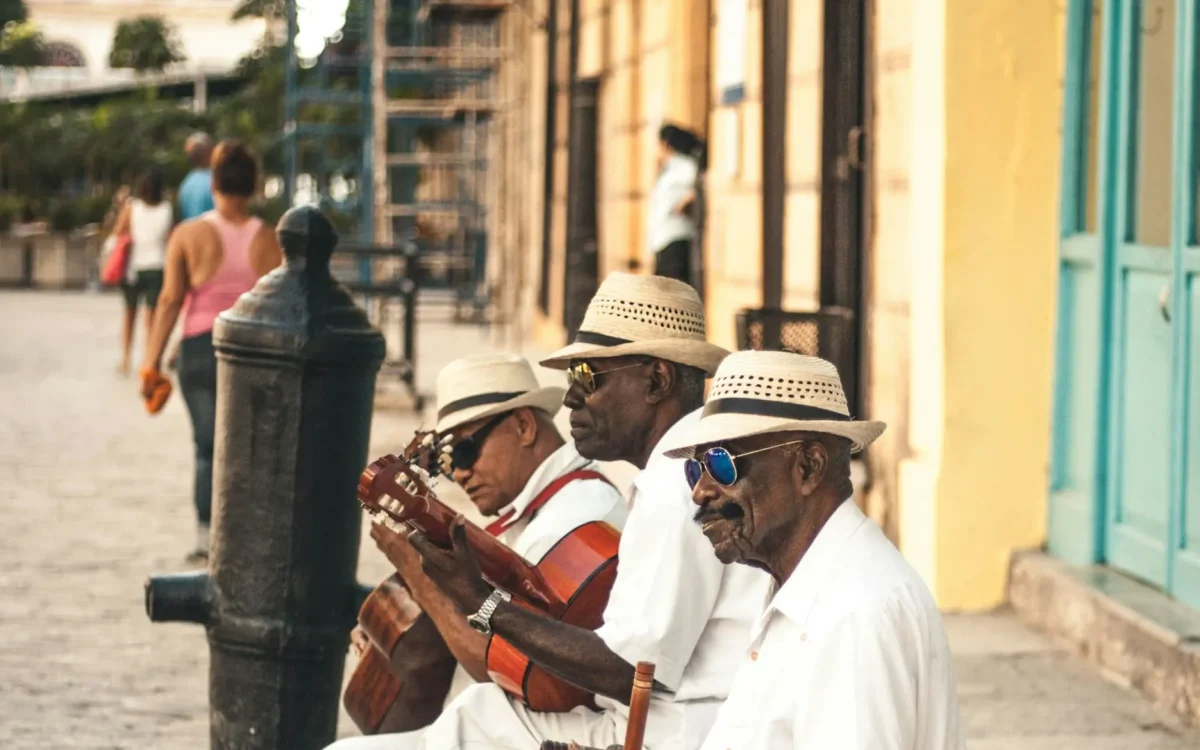
In Old Havana (Habana Vieja), many restaurants and bars host son bands playing classic songs, often for tips. While some performances are aimed at tourists, the musicianship is often excellent. For dancing, look for casas de la música and dance clubs where Cuban bands play timba, the energetic modern Cuban form of salsa, and where locals dance late into the night. Check current listings, as venues and schedules change. See salsa.
| Style | Where to look | Tip |
|---|---|---|
| Son | Bars and restaurants in Old Havana | Tip the musicians; ask for requests |
| Timba and salsa | Casas de la música and dance clubs | Shows often start late |
| Rumba | Courtyards, cultural centres, Callejón de Hamel | Weekend afternoons are best |
| Jazz | Jazz clubs in Vedado | Check the Jazz Plaza festival dates |
| Bolero | Intimate bars and clubs | Late-night atmosphere |
Rumba
Rumba is an Afro-Cuban style of drumming, singing and dance, born in the poor neighbourhoods of Havana and Matanzas, and recognised by UNESCO in 2016. Its forms include the yambú, the guaguancó and the columbia. On Sundays, the Callejón de Hamel, an alley in Centro Habana decorated with Afro-Cuban art, hosts rumba sessions that draw locals and visitors. The national folkloric ensemble and other cultural centres also hold regular rumba performances, often on weekends.
Jazz
Cuba has produced many great jazz musicians, and Havana’s jazz clubs, especially in the Vedado district, host excellent local players. The Jazz Plaza International Festival, held since 1980, usually around December or January, brings together Cuban and international jazz artists. Latin jazz, which combines Afro-Cuban rhythms with jazz, has deep roots here. See Latin jazz.
Bolero and trova
Bolero, the romantic song style beloved across Latin America, has strong roots in Cuba. Intimate bars in Havana host bolero singers late at night. Trova, the tradition of singer-songwriters with guitar, is particularly strong in eastern Cuba, where Santiago de Cuba’s Casa de la Trova is legendary, but Havana also has venues for trova and nueva trova, the socially conscious song movement of the 1960s and 1970s.
Arts centres
Havana has several arts centres that combine music, visual art and performance. The Fábrica de Arte Cubano, housed in a former oil factory in Vedado, hosts concerts, exhibitions and DJ sets and is popular with young Cubans and visitors. Theatres and cultural centres present classical music, ballet and folkloric performances. Check local listings during your visit.
Dance classes
Many visitors take salsa, son or rumba classes in Havana, offered by dance schools and independent teachers. Learning a few steps will help you join in at clubs and parties, and teachers often share insights into Cuban music and culture. Choose teachers with good recommendations from other travellers.
Santería and sacred music
Afro-Cuban religions such as Santería (Regla de Ocha) have rich musical traditions, with batá drums and songs for the orishas. Ceremonies are religious events, and outsiders should attend only by invitation. Folkloric ensembles perform these songs and dances in a theatrical context, which offers visitors a respectful way to experience them.
Beyond Havana
If you have time, travel to other Cuban cities. Santiago de Cuba, in the east, is the birthplace of son and home to the Casa de la Trova and a lively carnival in July. Matanzas is famous for rumba and Afro-Cuban religious music. Trinidad, on the south coast, has a vibrant music scene in its colonial centre.
Practical tips
Practical conditions in Cuba, including currency, internet access and transport, can change, so check current advice before travelling. Carry small amounts of cash for tips, which are an important source of income for musicians. Be respectful when photographing performers, and always ask permission at community events.
A closer look: listening for the clave
As you listen to music in Havana, try to hear the clave, the rhythmic pattern at the heart of Cuban music. In son, it may be played on wooden sticks; in rumba, it is often struck clearly at the start. Once you hear it, you will begin to understand how the drums, bass and melodies fit together. See the clave explained.
Putting it into practice
Before your trip, listen to classic son, rumba and timba recordings. The Music Festival Trip Planner AI can build a Havana music itinerary, and the Music Travel Phrasebook AI can teach you useful Spanish words for music and dance.
Frequently asked questions
Where can I hear rumba in Havana?
At the Callejón de Hamel on Sundays and at cultural centres that host weekend rumba sessions.
When is the Havana jazz festival?
The Jazz Plaza festival usually takes place around December or January; check current dates.
Should I tip musicians in Havana?
Yes. Tips are an important part of musicians’ income.
Questions and notes