Lisbon’s Fado Houses: How to Experience Fado
Hearing fado in Lisbon is a highlight of any trip to Portugal. The neighbourhoods where fado lives, professional fado houses versus amateur fado vadio nights, etiquette, the Fado Museum, June's popular saints festivals and a side trip to Coimbra.
In this guide
As evening falls over Lisbon’s old neighbourhoods, the city’s most famous music comes to life. In small restaurants and taverns, the lights dim, a guitarist tunes the twelve strings of the Portuguese guitar and a fadista begins to sing of love, longing and fate. Hearing fado in Lisbon is one of the great experiences for any music lover. This guide explains where to hear fado, what to expect and how to enjoy it respectfully.
Fado’s neighbourhoods
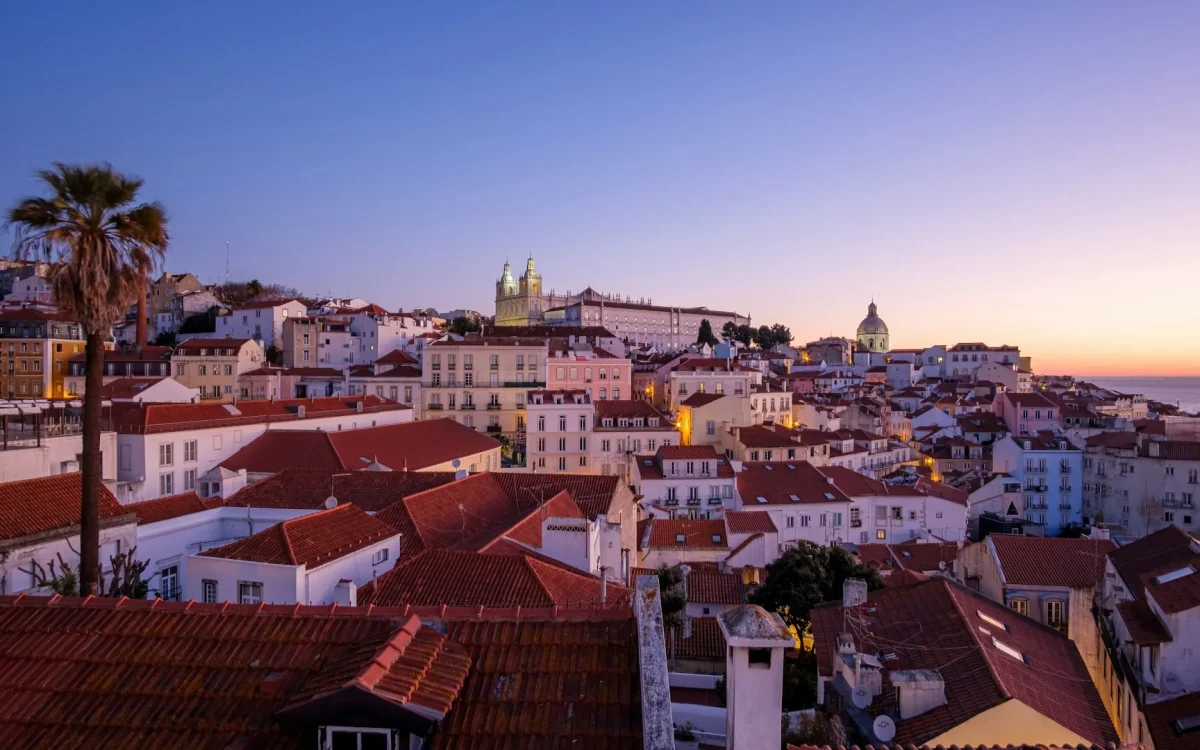
Fado was born in Lisbon’s working-class districts, and these neighbourhoods remain its heart. Alfama, the oldest quarter, with its narrow, winding streets climbing below the castle, is closely associated with fado. Mouraria, nearby, is considered the birthplace of fado and was home to the legendary Maria Severa. Bairro Alto, a lively district of bars and restaurants, has many fado venues, and Madragoa, near the river, also has long-standing fado houses. See Fado: Portugal’s song of longing.
| Neighbourhood | Character |
|---|---|
| Alfama | Historic, atmospheric, many fado houses and taverns |
| Mouraria | Birthplace of fado, multicultural, authentic |
| Bairro Alto | Lively nightlife, mix of fado houses and bars |
| Madragoa | Quieter, with long-standing fado venues |
Casas de fado
A casa de fado is a restaurant where professional fadistas perform, usually in sets between courses of dinner. Several singers may perform during an evening, each singing a few songs accompanied by the Portuguese guitar and the classical guitar. Many casas de fado have a minimum charge or set menu, and prices vary from moderate to expensive. Some of the most respected houses are run by or associated with well-known fadistas. Reservations are recommended, especially at weekends.
Fado vadio
Fado vadio, meaning “vagabond fado”, refers to amateur fado, sung by anyone who wishes, often in small taverns and neighbourhood associations. The singers may be retirees, workers or young people, and the atmosphere is informal and authentic. Fado vadio nights are often cheaper than casas de fado, with drinks and simple food. Ask locals or your accommodation where fado vadio takes place, as these events are often not widely advertised.
Etiquette: silence
The most important rule of fado is silence. When the lights dim and the singer begins, conversation stops, cutlery is put down and waiters pause their service. Someone may say “silêncio” to signal the start of a song. Applaud after each song, and save conversation, ordering and photographs for the breaks between sets. Respecting the silence is a sign of respect for the singer and the art.
What to expect
Fado evenings usually start around 8 or 9 pm and continue late into the night, with performances in sets separated by breaks. Each singer typically performs three or four songs. The repertoire includes classic fados and newer songs, ranging from deeply melancholic to lively and humorous. Do not expect only sad songs: fado can also be ironic and joyful.
Tips for choosing
Read reviews and ask locals for recommendations. Some venues in tourist areas offer lower-quality performances; look for places where locals also go. If budget is a concern, try a fado vadio night or a performance at a cultural venue. Arriving later in the evening, after dinner, is sometimes possible at venues that allow drinks-only customers, but check in advance.
The Fado Museum
The Museu do Fado in Alfama tells the story of fado through exhibitions, recordings, instruments and photographs. It is an excellent introduction before an evening of fado, explaining the history of the music, its great singers and the Portuguese guitar. The house where Amália Rodrigues lived, in the São Bento district, is also open to visitors as a museum.
June: the popular saints
In June, Lisbon celebrates its popular saints, especially Saint Anthony, whose feast day is 13 June. On the night of 12 June, the city’s neighbourhoods fill with street parties, grilled sardines, decorations and marchas populares, parades of neighbourhood groups in costume. Fado and popular music are everywhere, and Alfama becomes one huge celebration.
Coimbra fado
If you have time, take a trip to Coimbra, the university city north of Lisbon, where a distinctive style of fado is sung by men, traditionally students and former students in academic dress. Coimbra fado is more lyrical and romantic, and venues in the city offer regular performances. Serenades on the steps of the old cathedral are part of student traditions.
A closer look: listening to the guitar
During a fado performance, pay attention to the guitarra portuguesa, the twelve-string Portuguese guitar. It answers the singer, fills the pauses and sometimes plays an instrumental piece between songs. The dialogue between voice and guitar is one of the most beautiful aspects of fado.
Putting it into practice
Before your trip, listen to recordings by Amália Rodrigues and contemporary fadistas. Plan one evening at a casa de fado and one at a fado vadio night for contrast. The Music Festival Trip Planner AI can help plan your visit, and the Music Travel Phrasebook AI can teach you useful Portuguese words. See also how to travel for music.
Frequently asked questions
Where is the best place to hear fado in Lisbon?
In the neighbourhoods of Alfama, Mouraria, Bairro Alto and Madragoa.
What is fado vadio?
Amateur fado, sung by anyone in taverns and neighbourhood venues.
Can I talk during fado?
No. Silence is expected while the fadista sings.

Questions and notes