Dakar for Music Lovers: Mbalax, Clubs and Griots
Dakar is one of Africa's great music capitals, home of mbalax, sabar drumming, Senegalese hip-hop and the griot tradition. Where to hear live music, sabar dances and wrestling, Gorée Island, Saint-Louis jazz and tips on teranga and local customs.
In this guide
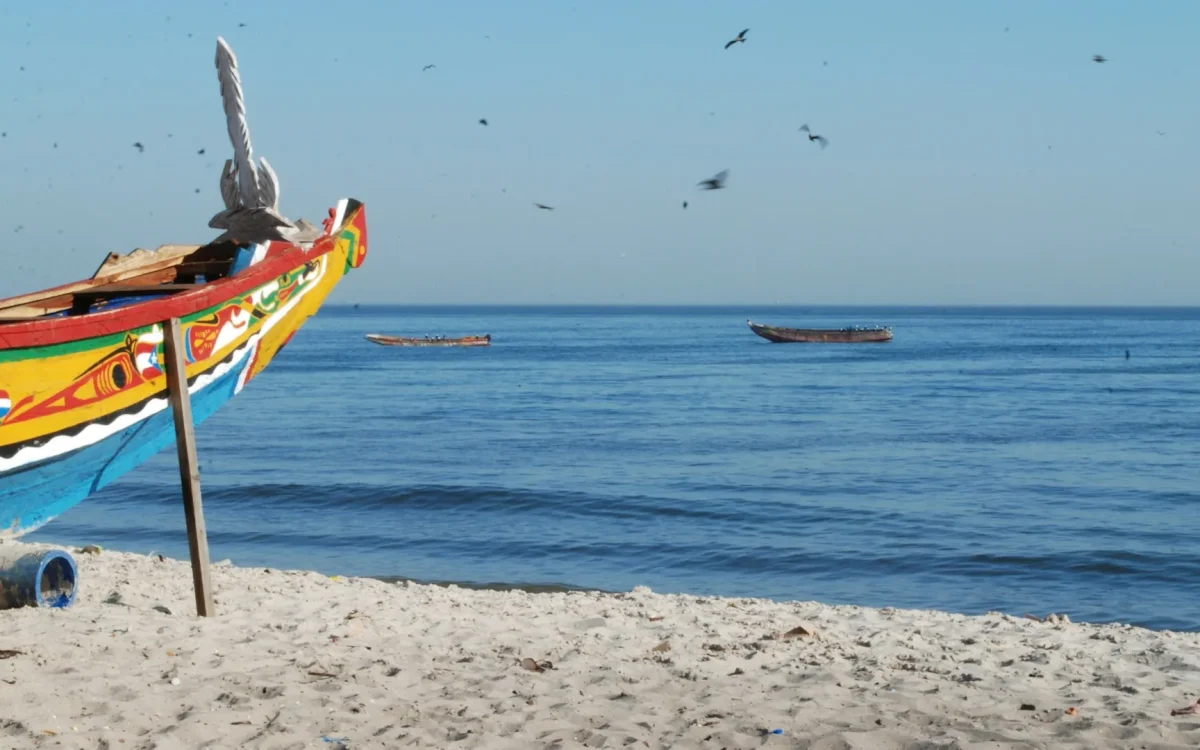
Dakar, the capital of Senegal, is one of the most exciting music cities in Africa. It is the home of mbalax, the driving dance music built on sabar drums, and of world-famous artists such as Youssou N’Dour. Its nightclubs stay open until dawn, its streets resonate with drums at weddings and celebrations, and its griots carry centuries of history in their songs. This guide explains where to experience Dakar’s music and how to enjoy the city’s famous hospitality.
A musical capital
Senegal has a rich musical heritage, from the griot traditions of the Wolof and Mandinka to the Afro-Cuban-influenced bands of the 1960s and 1970s and the mbalax that dominated from the 1980s. Dakar, a vibrant coastal city, became the centre of this music, with recording studios, nightclubs and a constant flow of musicians from across West Africa. See Mbalax: the rhythms of Senegal.
Nightclubs and live music
Dakar’s nightlife revolves around live music. Many clubs host mbalax bands, often starting very late, around midnight, and continuing until the early morning. Some clubs are owned by famous musicians, who perform there when they are in town. Live music venues also present Afro-jazz, Afrobeats, hip-hop and acoustic music. Ask locals and check current listings, as venues and schedules change.
| Experience | Where and when |
|---|---|
| Mbalax concerts | Nightclubs, usually late on weekends |
| Sabar dance events | Neighbourhood celebrations, often in the evening |
| Laamb wrestling | Stadiums and arenas, with drummers and griots |
| Kora and griot music | Cultural centres, private events, some restaurants |
| Hip-hop | Concerts, cultural centres and festivals |
Sabar dance events
Sabar drumming is at the heart of Senegalese celebrations. At events called tànnëbeer and at weddings and naming ceremonies, sabar drummers play while women take turns dancing in a circle, with energetic, expressive movements. These events take place in neighbourhoods throughout the city. If you are invited to one, it is a wonderful way to experience Senegalese culture; dress respectfully and follow your hosts’ guidance.
Laamb wrestling
Laamb, traditional Senegalese wrestling, is a hugely popular sport, and its matches are accompanied by sabar drummers and griots who sing the praises of the wrestlers. Before bouts, wrestlers perform rituals and dances. Major matches fill stadiums and arenas and are major social events. Attending a match is an exciting way to see how music, sport and tradition intertwine.
Griots and the kora
Griots, hereditary musicians and historians, remain important in Senegalese society, performing at ceremonies and celebrations, praising families and preserving history. Kora players perform at cultural centres, restaurants and private events, and some offer lessons to visitors. Hearing a griot sing with the kora is a deeply moving experience. See the kora.
Senegalese hip-hop
Dakar has one of Africa’s most influential hip-hop scenes, which emerged in the late 1980s and 1990s. Senegalese rappers often combine hip-hop with sabar rhythms and Wolof lyrics, addressing social and political issues. Hip-hop artists played a role in civic movements in Senegal, and the scene remains vibrant, with concerts and festivals throughout the year.
Cultural centres
Dakar’s cultural centres, including foreign cultural institutes and local arts spaces, present concerts, exhibitions and performances by Senegalese and international artists. The Village des Arts, an artists’ community, and the city’s museums offer insight into Senegalese culture. Every two years, the Dak’Art biennale of contemporary African art brings exhibitions and events to the city.
Gorée Island
A short ferry ride from Dakar, Gorée Island is a UNESCO World Heritage Site and a place of remembrance of the Atlantic slave trade. Its colourful colonial buildings and quiet streets contrast with its painful history. A visit to Gorée offers an important perspective on the history that connected West Africa with the Americas and their music.
Saint-Louis Jazz Festival
In Saint-Louis, a historic city in northern Senegal, the Saint-Louis Jazz Festival has been held since the early 1990s, usually in spring. It presents African and international jazz musicians in a beautiful colonial setting on an island in the Senegal River. Combining Dakar with a trip to Saint-Louis is a great way to experience Senegal’s music.
Sufi traditions
Senegal is a predominantly Muslim country, with influential Sufi brotherhoods such as the Mourides and Tijaniyya. Religious songs and chants are part of daily life, and the Baye Fall, a branch of the Mourides, are known for their drumming and chanting. Respect religious practices, especially during Ramadan and major pilgrimages.
Teranga and local phrases
Senegal is famous for teranga, a Wolof word meaning hospitality. Visitors are often warmly welcomed. Learning a few words of Wolof is appreciated: “Salaam aleekum” (hello), “Nanga def?” (how are you?) and “Jërëjëf” (thank you). French is also widely spoken.
Practical tips
Dress modestly, especially outside nightlife areas. Agree on taxi fares before travelling. Nightlife starts late, so plan to rest during the day. Carry cash, as many places do not accept cards. Follow local advice about safety, and enjoy the city’s warmth and energy.
A closer look: the tama in the club
At a mbalax concert, listen for the tama, the small talking drum, which plays rapid, expressive phrases above the band. Watch how dancers respond to the drummers’ breaks and accents. The connection between drummers and dancers is at the heart of Senegalese music. See the talking drum.
Putting it into practice
Before your trip, listen to Youssou N’Dour, Orchestra Baobab and Senegalese hip-hop. The Music Festival Trip Planner AI can build an itinerary, and the Music Travel Phrasebook AI can teach you more Wolof and French phrases.
Frequently asked questions
What music is Dakar known for?
Mbalax, sabar drumming, griot music and Senegalese hip-hop.
When do concerts start in Dakar?
Often very late, around midnight, especially at weekends.
What does teranga mean?
Hospitality, a central value of Senegalese culture.
Questions and notes