New Orleans for Music Lovers: Jazz, Brass Bands and Mardi Gras
New Orleans gave the world jazz, and music still pours out of its clubs, streets and parades. Congo Square, Frenchmen Street, Preservation Hall, second lines and brass bands, Mardi Gras, Jazz Fest and the Cajun and zydeco country beyond the city.
In this guide
New Orleans is one of the most musical cities on Earth. It is the birthplace of jazz, the home of brass band parades that dance through the streets on Sunday afternoons and the stage for Mardi Gras, one of America’s wildest celebrations. Music spills out of bars on Frenchmen Street, echoes from street corners in the French Quarter and fills the air at festivals throughout the year. This guide explains where to experience New Orleans music and how to join in.
Birthplace of jazz
New Orleans’ unique history made it the cradle of jazz. A port city with French, Spanish, African, Caribbean and American influences, it had a vibrant musical culture by the nineteenth century. In Congo Square, enslaved and free Africans gathered on Sundays to drum, sing and dance, preserving African traditions. In the early twentieth century, musicians such as Buddy Bolden, Jelly Roll Morton and later Louis Armstrong combined ragtime, blues, brass band music and Creole traditions into jazz. Congo Square, in today’s Louis Armstrong Park, is a place of pilgrimage for music lovers.
Where to hear live music
| Area | Character |
|---|---|
| Frenchmen Street | Clubs with live jazz, brass, blues and funk every night |
| French Quarter | Historic jazz venues, street musicians, tourist bars |
| Uptown | Legendary clubs for funk, R&B and brass bands |
| Tremé | Historic African American neighbourhood, home of brass band culture |
| Streets and parks | Buskers, second lines and festivals |
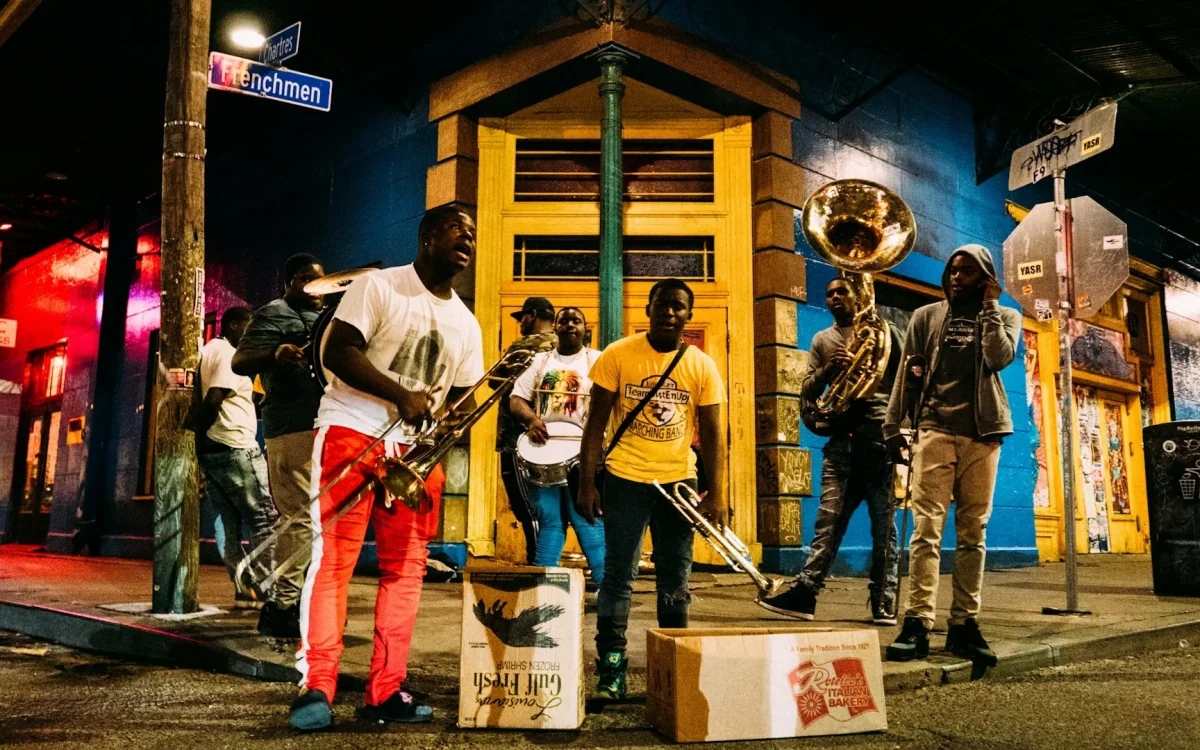
Frenchmen Street, in the Marigny neighbourhood just outside the French Quarter, is lined with small clubs where you can hear excellent live music every night, often without a cover charge. Walking from club to club is part of the fun.
Preservation Hall
Preservation Hall, opened in 1961 in the French Quarter, was created to preserve and celebrate traditional New Orleans jazz. Its intimate, unadorned room hosts performances by leading traditional jazz musicians several times a night. Audiences sit on benches or stand close to the musicians, making it one of the most authentic jazz experiences in the city. Tickets are often sold in advance.
Brass bands and second lines
Brass bands are central to New Orleans culture. Their roots lie in nineteenth-century military and community bands, and today bands such as the Dirty Dozen Brass Band and the Rebirth Brass Band combine traditional jazz with funk and hip-hop. On many Sundays from autumn to spring, Social Aid and Pleasure Clubs, community organisations with roots in African American mutual aid societies, hold second line parades, dancing through neighbourhoods behind a brass band. Anyone can join the “second line” of dancers following the band.
Jazz funerals
New Orleans is famous for jazz funerals, in which a brass band accompanies the funeral procession, playing slow, mournful hymns on the way to the cemetery and joyful, upbeat music on the way back, celebrating the life of the deceased. These are community and family events; if you encounter one, observe respectfully.
Mardi Gras
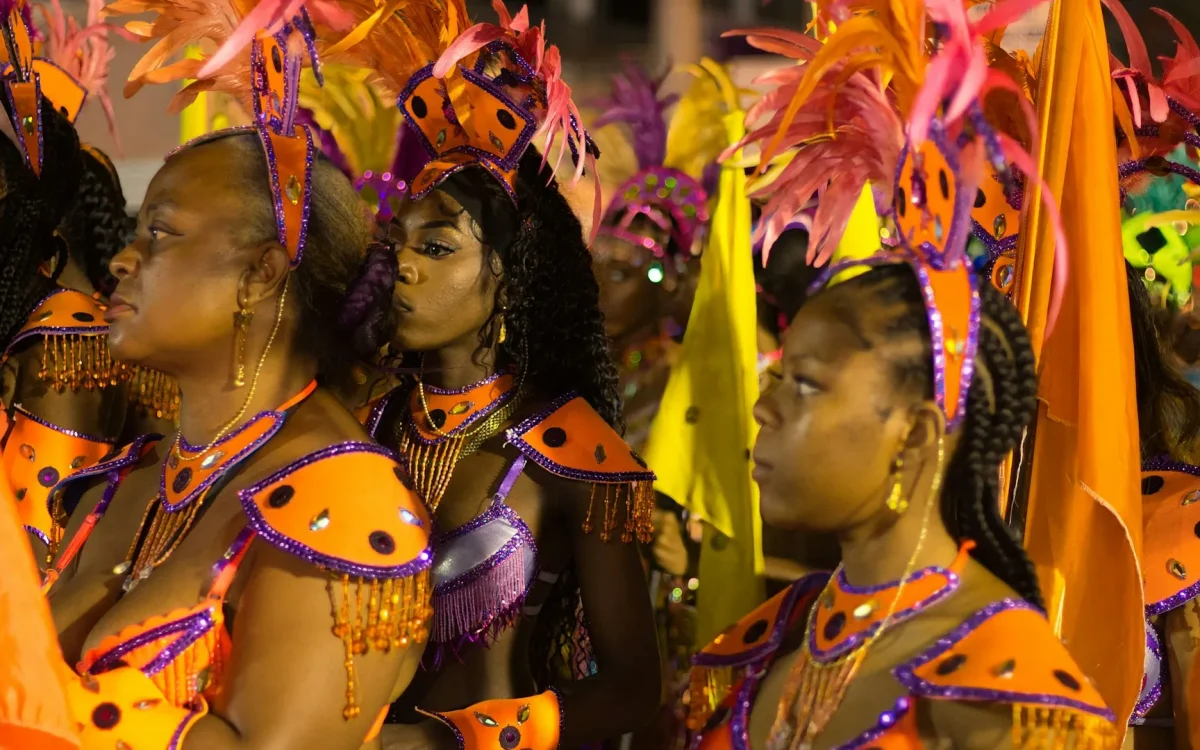
Mardi Gras, the culmination of the Carnival season, takes place on the Tuesday before Ash Wednesday. In the weeks before, organisations called krewes hold parades with floats, marching bands and riders throwing beads and trinkets to the crowds. On Mardi Gras Day itself, the city celebrates in costume. A distinctive tradition is that of the Black Masking Indians, often called Mardi Gras Indians, African American groups who create elaborate beaded and feathered suits and parade with chants and percussion on Mardi Gras Day and other occasions.
Jazz Fest
The New Orleans Jazz & Heritage Festival, known as Jazz Fest, has been held since 1970, usually over two weekends in late April and early May, at the Fair Grounds Race Course. It features many stages presenting jazz, blues, gospel, R&B, Cajun, zydeco, brass bands and international music, along with Louisiana food and crafts. Jazz Fest is one of America’s great music festivals. See the world’s great music festivals.
Other festivals
The French Quarter Festival, held in April, presents mostly local musicians on free stages throughout the historic district. Other festivals throughout the year celebrate Louis Armstrong, blues, Creole culture and more. Almost every month has some kind of music festival in New Orleans.
Cajun and zydeco country
West of New Orleans, in the region known as Acadiana, around Lafayette, you can hear Cajun and zydeco music. Cajun music, rooted in the French traditions of Acadian settlers, features fiddle and accordion, while zydeco, developed by Creole musicians, adds R&B and blues with accordion and washboard. Dance halls and festivals in the region welcome visitors, and dancing is part of the experience.
Practical tips
Bring cash for tips and cover charges, and tip street musicians and bands generously. Summer is very hot and humid, while spring and autumn are popular seasons with many festivals. Stay aware of your surroundings at night, especially in less busy areas, and follow local advice. Respect local traditions, particularly at second lines and funerals.
A closer look: joining a second line
If you join a second line, follow the band and dancers, respect the club members who lead the parade, and enjoy the music. Buy drinks and food from local vendors along the route, and be aware that parades can move quickly through neighbourhoods. A second line is one of the most joyful experiences in New Orleans.
Putting it into practice
Before your trip, listen to Louis Armstrong, a traditional jazz band and a modern brass band. The Music Festival Trip Planner AI can build a New Orleans itinerary, and our article on Balkan brass bands explores another great brass tradition.
Frequently asked questions
Where is the best place to hear jazz in New Orleans?
Frenchmen Street and Preservation Hall are among the best places.
What is a second line?
A street parade led by a brass band, followed by dancers who join in.
When is Jazz Fest?
Usually over two weekends in late April and early May.
Questions and notes