Rio Carnival: Samba Schools, Blocos and How to Enjoy It
Rio's Carnival combines the spectacular samba school parades of the Sambadrome with hundreds of joyful street parties. How the parades work, what the samba schools are, how to experience blocos, rehearsals and tickets, and tips for staying safe.
In this guide
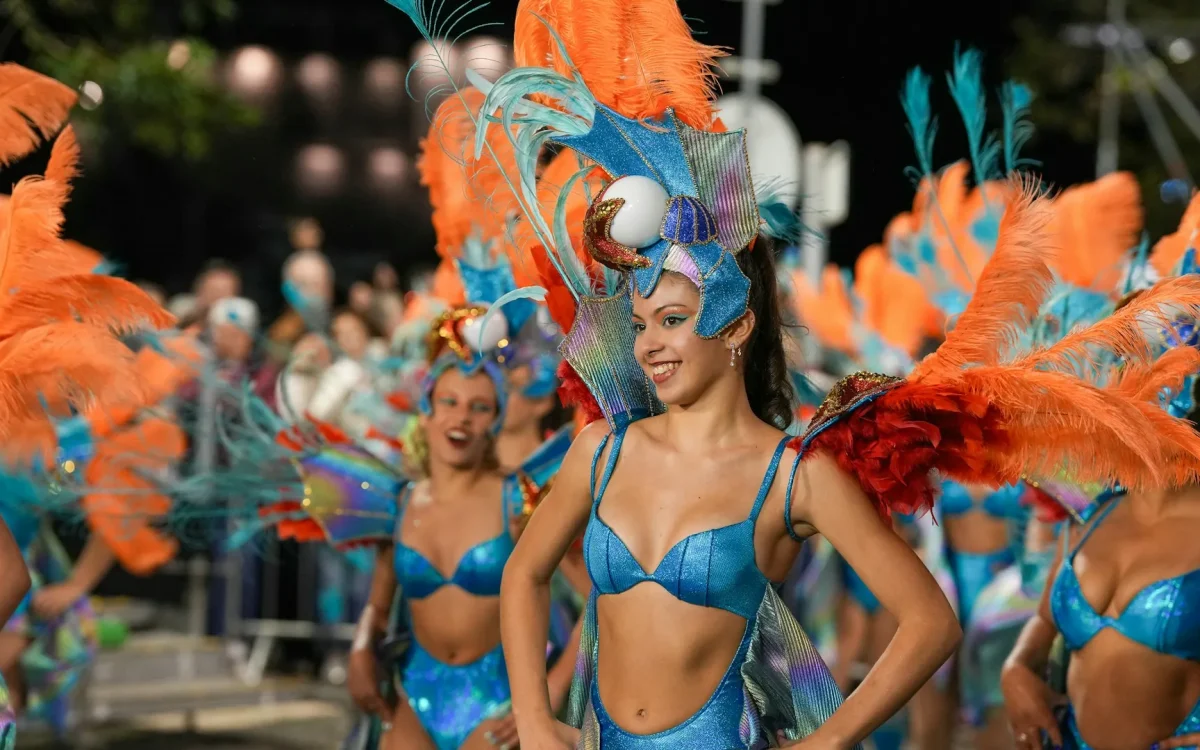
Rio de Janeiro’s Carnival is one of the greatest celebrations on Earth. For several days before Lent, the city erupts in music and colour: samba schools with thousands of dancers and hundreds of drummers parade through the Sambadrome in spectacular competitions, while hundreds of street parties called blocos fill neighbourhoods with music and costumed revellers. This guide explains how Rio Carnival works and how to make the most of it.
When it happens
Carnival takes place in the days before Ash Wednesday, the start of Lent, usually in February or early March. The official celebrations run from Friday to Ash Wednesday, but the street parties begin weeks earlier, and samba schools rehearse for months beforehand. Because the date depends on Easter, it changes every year, so check the calendar early when planning.
The Sambadrome
The main samba school parades take place in the Sambadrome, officially the Passarela Professor Darcy Ribeiro, a purpose-built parade avenue designed by the architect Oscar Niemeyer and opened in 1984. Grandstands line a long avenue through which each school parades, watched by tens of thousands of spectators. The top schools, in the Grupo Especial, parade on the Sunday and Monday nights of Carnival, each night lasting until dawn.
What is a samba school?
A samba school (escola de samba) is a community organisation, usually based in a particular neighbourhood, that prepares a parade each year. The oldest schools, such as Mangueira and Portela, were founded in the 1920s and 1930s. Each school chooses a theme (enredo), commissions a samba song (samba-enredo), designs costumes and floats and rehearses for months. A parade involves thousands of participants and represents a huge communal effort.
| Element | Role in the parade |
|---|---|
| Comissão de frente | The opening group that introduces the school and its theme |
| Alas | Sections of dancers in matching costumes |
| Carros alegóricos | Huge decorated floats illustrating the theme |
| Mestre-sala and porta-bandeira | The couple who carry and present the school’s flag |
| Bateria | The percussion section, often hundreds of drummers |
| Samba-enredo | The theme song sung throughout the parade |
The bateria
The bateria is the heart of the samba school, a percussion section that may include hundreds of drummers playing surdos (large bass drums), caixas (snare drums), repiniques, tamborins, cuícas, agogôs and chocalhos. Led by the mestre de bateria, who uses whistles and hand signals, the bateria keeps the entire parade moving. Its power and precision are thrilling to hear in person. See samba.
Judging and the Champions’ Parade
Samba school parades are a competition, judged on criteria including the samba song, the bateria, the harmony between singing and dancing, the costumes, the floats, the theme and the flag-bearing couple. The results are announced on Ash Wednesday, and the winning schools return for the Champions’ Parade (Desfile das Campeãs) the following Saturday, which is a good option for visitors who miss the main nights.
Blocos: the street parties
Blocos are street parties, each with its own band, music and character, from small neighbourhood gatherings to huge crowds following trucks with sound systems. Some blocos are very old; others focus on specific styles, from traditional marchinhas (Carnival songs) to rock or Beatles songs played in samba style. Blocos take place throughout the city, day and night, in the weeks before and during Carnival. Many revellers wear costumes, and anyone can join in.
Rehearsals
From around September until Carnival, samba schools hold rehearsals (ensaios) at their headquarters, called quadras. These events, open to the public for a small fee, let you hear the bateria and the samba-enredo, dance with locals and experience the community spirit of the schools. Technical rehearsals in the Sambadrome are also held in the weeks before Carnival and are often free.
Tickets
Tickets for the Sambadrome are divided into sectors, ranging from grandstand seats to boxes and private suites. Prices vary widely, and the Grupo Especial nights are the most expensive. Buy tickets from official sellers or trusted agencies well in advance. Some sectors offer better views and atmosphere than others, so research before buying.
Parading with a school
Visitors can also parade with a samba school by buying a costume (fantasia) from the school or through agencies. You will need to learn the samba-enredo and follow the instructions of your section’s leaders. Parading in the Sambadrome is an unforgettable experience, but it requires stamina, as parades are long and the costumes can be heavy.
Safety tips
Carnival crowds are joyful but large. Carry only what you need, keep phones and money secure, use official transport and stay with friends. Drink plenty of water, use sunscreen during daytime blocos and plan how to get home after late-night events. Follow local advice about which areas to avoid at night.
A closer look: learning the samba-enredo
Each year, every samba school releases its samba-enredo months before Carnival, and fans learn the songs by heart. If you plan to attend, listen to the songs of the schools you will see. Singing along in the Sambadrome, as the bateria thunders past, is a highlight of the experience.
Putting it into practice
Check this year’s Carnival dates, choose between the Sambadrome, blocos or both, and book accommodation early. The Music Festival Trip Planner AI can build an itinerary, the Music Travel Phrasebook AI can teach you useful Portuguese words and our festival packing list will help you prepare.
Frequently asked questions
When is Rio Carnival?
In the days before Ash Wednesday, usually in February or early March.
What is a bloco?
A street party with its own band, open to anyone who wants to join.
Can tourists parade in a samba school?
Yes, by buying a costume from a school or agency and following its instructions.

Questions and notes