Seville for Flamenco Lovers: Tablaos, Peñas and the Bienal
Seville is the capital of flamenco, with professional tablaos, members' clubs, museums and the world's greatest flamenco festival. Where to see flamenco, the Triana district, the Bienal, Holy Week saetas, the April Fair and trips to Jerez and Granada.
In this guide
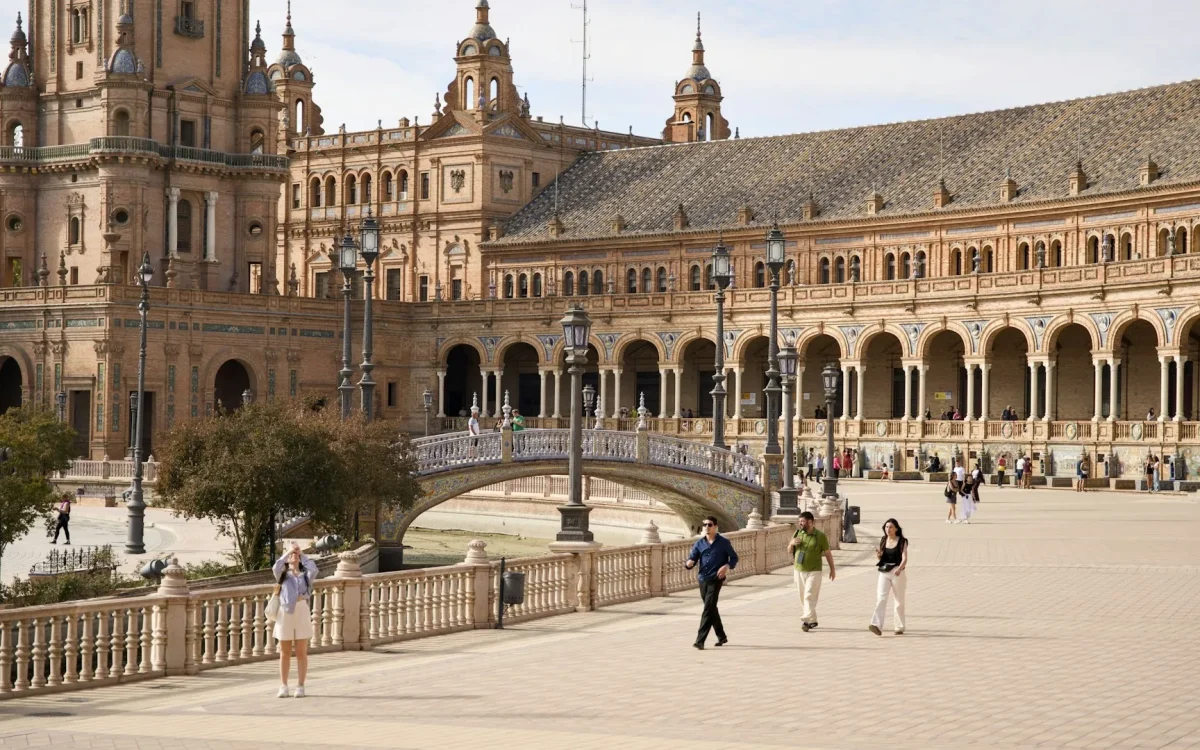
Seville is the beating heart of flamenco. In this Andalusian city of orange trees, whitewashed courtyards and grand Moorish palaces, flamenco is performed every night, taught in academies and celebrated in one of the world’s greatest music festivals. Whether you want to see a polished professional show, hear raw singing in a local club or take a dance class, Seville offers countless opportunities. This guide explains where and how to experience flamenco in Seville.
A flamenco city
Seville and the surrounding region of western Andalusia, including Jerez and Cádiz, are often considered the cradle of flamenco. Many of the art’s greatest singers, guitarists and dancers came from this area, and certain palos (flamenco forms) are associated with particular towns and neighbourhoods. Flamenco is part of everyday life in Seville, from family celebrations to religious festivals. See Flamenco.
Triana
Across the Guadalquivir River from the historic centre lies Triana, a neighbourhood with a long Gitano heritage, famous for its potters, sailors and flamenco artists. Triana is closely associated with the soleá and has produced many renowned performers. Walking its streets, visiting its ceramic workshops and stopping at its bars gives a sense of the community from which flamenco grew. Some flamenco venues and peñas are located here.
| Venue type | What to expect | Best for |
|---|---|---|
| Tablao | Professional show with singer, guitarist and dancers | First-time visitors, polished performances |
| Peña flamenca | Members’ club with intimate performances | Authentic atmosphere, serious aficionados |
| Cultural centre or museum show | Shorter performances, often with explanations | Learning about flamenco |
| Bars with live music | Informal performances | Spontaneous evenings |
| Theatres and festivals | Concerts by leading artists | Seeing the stars of flamenco |
Tablaos
A tablao is a venue dedicated to professional flamenco shows, typically with a small stage and seating close to the performers. Shows usually last around an hour and feature singers, guitarists and dancers performing several palos. Some tablaos offer dinner; others offer drinks only. Quality varies, so read reviews and look for venues with well-regarded artists. Booking ahead is recommended, especially in high season.
Peñas flamencas
Peñas are members’ clubs dedicated to flamenco, where aficionados gather to listen to and discuss the art. Many peñas host performances open to the public, often featuring local artists and up-and-coming talent. The atmosphere is intimate and serious, with audiences who understand flamenco deeply. Attending a peña performance offers a more authentic experience than many tourist shows. Ask locally for current schedules.
Museums and cultural centres
Seville has museums and cultural centres dedicated to flamenco, offering exhibitions on its history, costumes and great artists, as well as shows and classes. These are excellent places to learn about the different palos and the roles of song, guitar and dance before attending a performance.
The Bienal de Flamenco
Every two years, usually in September and October, Seville hosts the Bienal de Flamenco, the world’s most important flamenco festival. Founded in 1980, it presents performances by the greatest flamenco artists in theatres and venues across the city, along with new productions and experimental works. If you are a serious flamenco fan, planning a trip around the Bienal is highly recommended. See the world’s great music festivals.
Holy Week and saetas
During Semana Santa, Holy Week before Easter, religious brotherhoods carry elaborate floats with images of Christ and the Virgin Mary through the streets of Seville. As a procession passes, a singer may sing a saeta from a balcony, an intense, unaccompanied song of devotion in a flamenco style. Hearing a saeta in the silence of a procession is a deeply moving experience.
The April Fair
About two weeks after Easter, Seville celebrates the Feria de Abril, a week of dancing, music and festivity in a fairground filled with decorated tents called casetas. The dance of the fair is the sevillana, a lively folk dance related to flamenco, danced in couples. Women wear colourful flamenco dresses, and the atmosphere is joyous. Many casetas are private, but public ones welcome visitors.
Classes
Seville has many flamenco academies offering classes in dance, guitar, singing and palmas (hand clapping) for visitors of all levels. Even a single class will deepen your appreciation of the art and help you understand the rhythms.
Etiquette
At flamenco performances, avoid talking during songs. Only clap palmas or shout “olé” if you understand the compás, as poorly timed clapping can disrupt the performers. Follow the lead of experienced audience members. Ask before photographing, and avoid flash photography.
Day trips
Jerez de la Frontera, an hour from Seville, is another great flamenco city, known for its bulerías and its flamenco festival in February and March. Cádiz is the home of alegrías and has a famous carnival. Granada, further east, is known for flamenco in the caves of the Sacromonte. Each offers a different flavour of flamenco.
A closer look: understanding the compás
Before your trip, learn to clap the twelve-beat compás of the soleá and bulerías, with accents on beats 3, 6, 8, 10 and 12. Understanding the rhythm will help you follow performances and appreciate the interplay between singers, guitarists and dancers. Practise with our metronome.
Putting it into practice
Plan to see at least one tablao and one peña performance in Seville, and consider timing your trip with the Bienal. The Music Festival Trip Planner AI can build an itinerary, and the Music Travel Phrasebook AI can teach you flamenco vocabulary.
Frequently asked questions
What is the difference between a tablao and a peña?
A tablao is a professional flamenco venue; a peña is a members’ club with intimate performances.
When is the Bienal de Flamenco?
Every two years, usually in September and October.
Can I clap along at a flamenco show?
Only if you know the compás; otherwise, listen and applaud at the end.
Questions and notes