Ireland’s Music Towns: Where to Find a Great Session
Traditional music lives in Ireland's pubs, kitchens and festivals, but some places are especially rich in sessions. A regional tour of County Clare, Galway, Mayo, Kerry, Donegal, Sligo and Dublin, with festivals, summer schools and session tips.
In this guide
Ireland is one of the best places in the world to hear traditional music in its natural setting: a pub session where local musicians gather to play for the love of it. While sessions can be found across the country, some regions and towns are especially famous for their music. This guide takes you on a tour of Ireland’s great music towns and regions, with tips on festivals, summer schools and how to find and enjoy a session.
County Clare
County Clare, on the west coast, is often considered the heartland of Irish traditional music. Its towns and villages have produced generations of musicians, and sessions take place almost every night in many pubs. Clare is famous for its concertina players, fiddlers and flute players, and for a relaxed, rhythmic style. See Irish traditional music.
| Place | County | Known for |
|---|---|---|
| Doolin | Clare | Nightly sessions in a small coastal village |
| Ennis | Clare | Busy town with many sessions and music shops |
| Miltown Malbay | Clare | Willie Clancy Summer School each July |
| Galway city | Galway | Lively pub sessions and street musicians |
| Westport | Mayo | Sessions in a picturesque town |
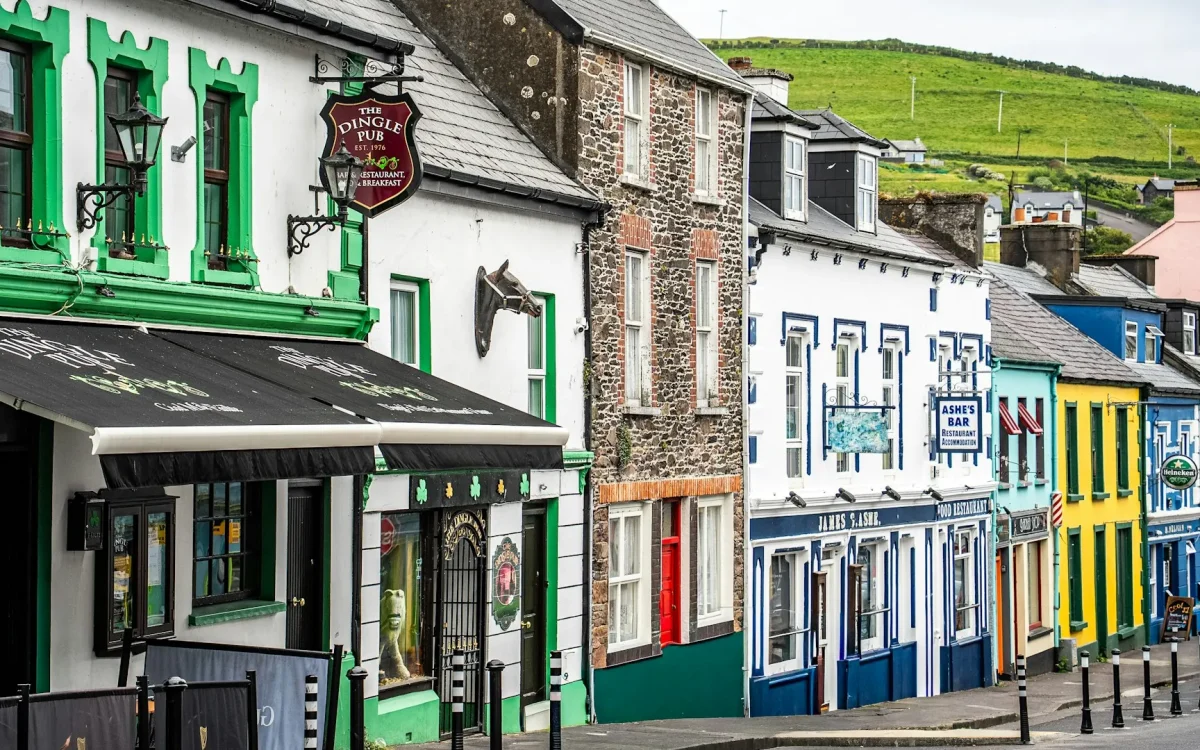
| Dingle | Kerry | Sessions in a scenic Irish-speaking area |
| Donegal Gaeltacht | Donegal | Distinctive fiddle tradition |
Doolin
Doolin, a small village near the Cliffs of Moher, became famous in the 1970s as a centre for traditional music, attracting musicians and visitors from around the world. Its pubs host sessions every night, especially in summer. Doolin can be busy with tourists, but the music is often excellent, and the surrounding landscape of the Burren is spectacular.
Ennis and Miltown Malbay
Ennis, the county town of Clare, has a lively music scene, with sessions in many pubs and a strong community of musicians. Miltown Malbay hosts the Willie Clancy Summer School, held every July since 1973 in honour of the great uilleann piper. For a week, the town fills with musicians, students and enthusiasts, with classes by day and sessions in every pub by night. Other Clare villages, such as Feakle and Kilfenora, are also famous for their music and festivals.
Galway
Galway, a vibrant university city on the west coast, is known for its music, arts and festivals. Its pubs host traditional sessions every night, and street musicians perform in the pedestrian streets of the city centre. Galway is also a gateway to Connemara, an Irish-speaking region known for sean-nós singing and dancing.
Mayo and Kerry
Westport, a charming town in County Mayo, has a lively session scene, including a well-known pub owned by a member of The Chieftains. In County Kerry, Dingle is a beautiful town on a peninsula, with sessions in many pubs and a strong Irish-language culture nearby. The region of Sliabh Luachra, on the border of Kerry and Cork, is famous for its polkas and slides, played with great rhythm by local musicians.
Donegal
County Donegal, in the far northwest, has a distinctive fiddle tradition, known for its driving, energetic style and unique repertoire, including Scottish-influenced tunes such as highlands and strathspeys. The Irish-speaking areas of Donegal have a rich culture of song and music, and the region produced well-known musicians and bands. Donegal’s wild, remote landscapes add to its appeal.
Sligo
County Sligo is famous for its fiddle and flute tradition. In the early twentieth century, Sligo fiddlers such as Michael Coleman emigrated to the United States, where their recordings influenced Irish musicians on both sides of the Atlantic. A centre dedicated to Irish music in the south of the county celebrates this heritage.
Dublin and Belfast
Dublin has many pubs with traditional sessions, especially in areas such as Smithfield, where a well-known pub hosts sessions every night. Temple Bar offers music aimed at tourists, but locals often recommend venues outside it. Belfast also has a strong traditional music scene, with sessions in pubs across the city.
Festivals and summer schools
The Fleadh Cheoil na hÉireann, organised by Comhaltas Ceoltóirí Éireann, is the largest festival of Irish traditional music, held each August in a different town, attracting hundreds of thousands of visitors. Summer schools such as the Willie Clancy Summer School offer classes and sessions. Many towns hold smaller festivals throughout the year.
Finding a session
Sessions usually begin around 9 or 9:30 pm and continue late into the evening. Ask in pubs, at your accommodation or at local music shops when sessions take place, as schedules change. Online session directories can also help. Arrive early to find a seat, buy a drink and enjoy the music. See how to join a folk session.
A closer look: regional styles
As you travel, listen for differences between regional styles: the relaxed swing of Clare, the driving fiddle playing of Donegal, the polkas and slides of Sliabh Luachra, the ornamented flute playing of Sligo. Asking local musicians about their style is a great way to start a conversation.
Putting it into practice
Plan a route through Clare, Galway and one other region, and check festival dates. The Music Festival Trip Planner AI can build an itinerary, and the Music Travel Phrasebook AI can teach you a few words of Irish.
Frequently asked questions
Where is the best place in Ireland for traditional music?
County Clare is often considered the heartland, with towns such as Doolin, Ennis and Miltown Malbay.
What time do sessions start?
Usually around 9 or 9:30 pm.
What is the Fleadh Cheoil?
Ireland’s largest traditional music festival, held each August in a different town.

Questions and notes