How to Join a Folk Session: Etiquette and Tips
Folk sessions welcome newcomers, but they run on unwritten rules. How to find a session, when to listen and when to play, which instruments to bring, how tunes are started, singing session customs and how to learn the repertoire.
In this guide
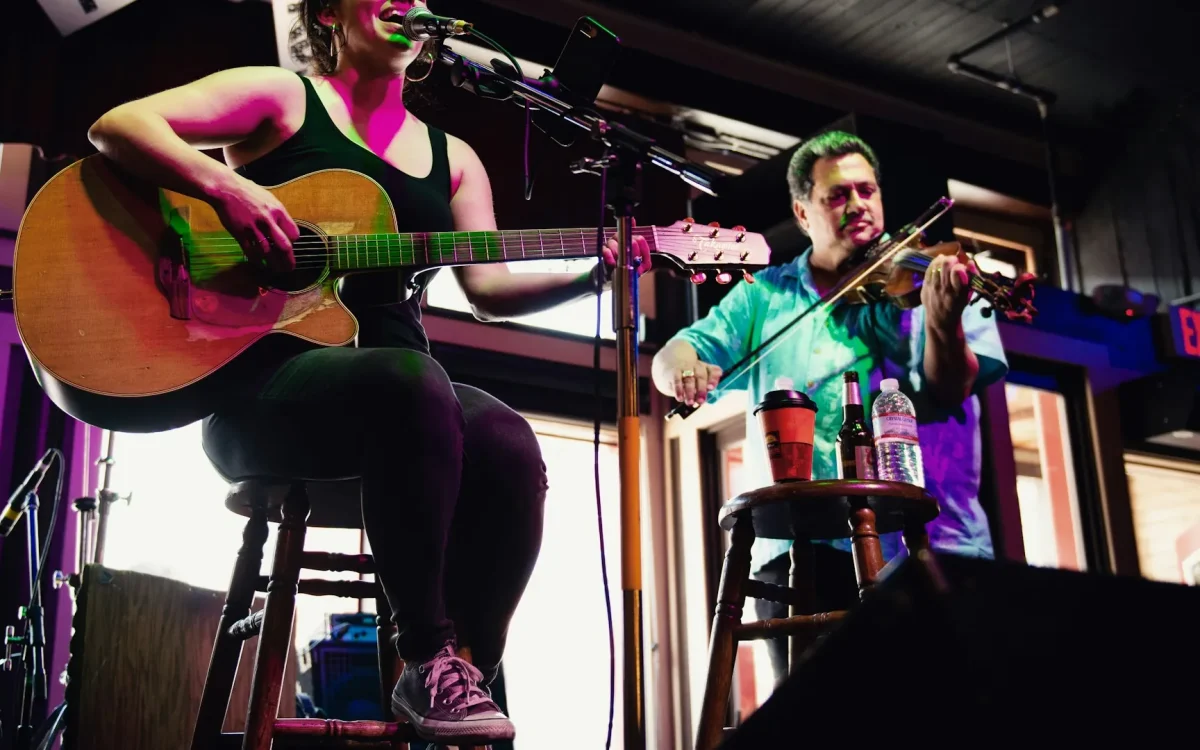
A folk session is one of the great pleasures of traditional music: a group of musicians, usually in a pub or café, playing tunes and singing songs together for the love of it. Sessions are found in Ireland, Scotland, England, Brittany, Scandinavia, North America and far beyond. Most welcome newcomers, but they run on unwritten rules that regulars know well. Following these customs will help you fit in, make friends and enjoy the music. This guide explains how to join a session with confidence.
What is a session?
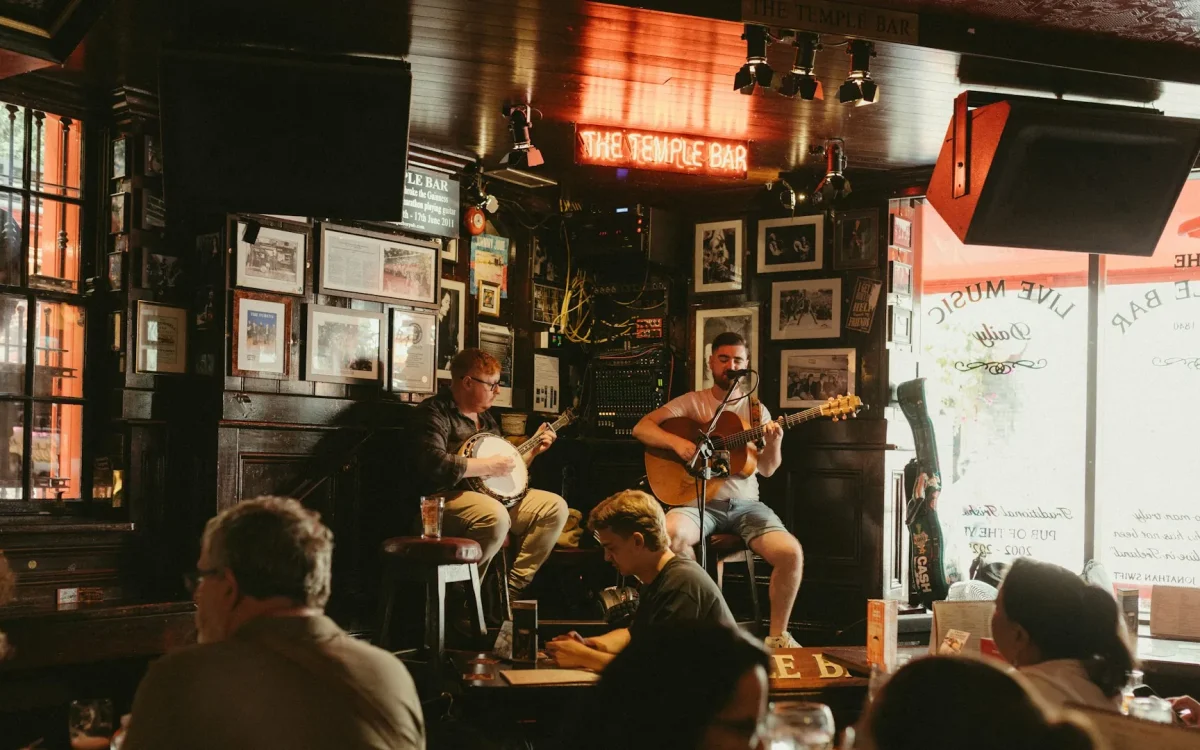
A session is an informal gathering where musicians play traditional music together. Unlike a concert, there is usually no stage and no audience as such, though people in the pub may listen. Musicians sit around a table and play tunes, one set after another, or take turns singing songs. Sessions can be lively and crowded or quiet and intimate, and each has its own character and customs. See Irish traditional music.
Finding a session
Look for sessions through local folk clubs, music shops, community noticeboards, social media groups and online session directories. Ask musicians you meet. Many cities have several sessions a week, from beginner-friendly slow sessions to advanced ones. When travelling, especially in Ireland, Scotland or Brittany, ask locals where music happens. See Ireland’s music towns.
Listen first
The most important rule is to listen before you play. On your first visit, sit nearby, enjoy the music and observe how the session works: who leads, how tunes are started, how loud people play and which tunes are common. Many experienced musicians recommend attending a session several times as a listener before bringing your instrument. Buying a drink and showing genuine interest is a good start.
Asking to join
When you feel ready, ask one of the regular musicians whether you may join in. Many sessions are open, but some are smaller groups of friends, and it is polite to ask. Sit at the edge of the circle at first, leaving the central seats for the core players. If you are told the session is closed or the seats are reserved, accept it gracefully; there will be other opportunities.
| Do | Avoid |
|---|---|
| Listen before playing | Starting tunes on your first visit |
| Ask before joining | Taking the central seats |
| Play tunes you know well | Playing along loudly with tunes you do not know |
| Play at a sympathetic volume | Drowning out melody players |
| Ask before recording | Filming without permission |
| Support the venue | Treating the session as a free practice room |
Playing tunes you know
Play only the tunes you know well. If you do not know a tune, listen quietly, or play very softly to pick up the melody without disturbing others. In many sessions, it is acceptable to join in quietly on the second or third time through a tune if you are learning it, but never play loudly or guess at notes. Over time, you will learn the session’s common repertoire.
Melody and accompaniment
In most traditional sessions, the melody is the most important element, and melody instruments such as fiddle, flute, whistle, pipes, accordion and concertina form the core. Accompanying instruments, such as guitar, bouzouki and bodhrán, should be played sparingly and sensitively. Many sessions prefer only one guitar or bouzouki and one bodhrán at a time. If someone is already accompanying, wait or ask before joining. Drummers in particular should be careful: an overenthusiastic drum can disrupt a session.
Starting tunes
In many sessions, one musician starts a tune or set, and others join in. Regulars often take turns, and the session leader may invite others to start a set. As a newcomer, wait until you are invited before starting a tune. When you are, choose a well-known tune and play it clearly, at a moderate tempo. Know which tunes you will play in the set and signal changes with a nod or a shout.
Learning the repertoire
To prepare for sessions, learn common tunes in the style of the session you attend. Ask regulars which tunes are popular, use online tune collections and recordings, and learn by ear as much as possible. Learning tunes from recordings of sessions in your area helps you play the versions locals know. Slow sessions, where tunes are played at a gentle pace, are an excellent way to learn.
Singing sessions
Singing sessions have their own customs. Usually, singers take turns around the room, and each person sings one song when it is their turn. Some sessions follow a strict order; others are more relaxed. When someone sings, everyone falls silent and listens. Many songs have choruses, and the audience is expected to join in heartily. You may pass if you do not wish to sing. See sea shanties.
Recording and phones
Always ask before recording or filming a session. Some musicians are happy to be recorded; others prefer not to be. Keep phones on silent, and avoid conversations near the musicians while they play. If you want to learn a tune you heard, ask the musician its name rather than recording without permission.
Being a good session guest
Sessions depend on the goodwill of venues, so buy drinks or food. Thank the musicians at the end of the evening, and come back regularly if you enjoyed it. Over time, you will become part of the community, and the regulars will welcome you as one of them.
A closer look: other session traditions
Different traditions have their own session customs. In American old-time jams, everyone plays the melody together, often in a set key for the evening. In bluegrass jams, musicians take turns playing solos, called breaks. In Swedish and Norwegian fiddle groups, players often play in unison. Learning the customs of each tradition shows respect and helps you fit in.
Putting it into practice
Find a slow session near you and attend as a listener this week. Learn two or three common tunes, and practise with our metronome at a gentle tempo. The Learn a World Instrument Coach AI can suggest a practice plan, and the Music Travel Phrasebook AI can teach you useful words for sessions abroad.
Frequently asked questions
Can beginners join a folk session?
Yes, especially slow sessions designed for learners; listen first and ask before playing.
Should I bring a drum to a session?
Only after asking, and play sparingly; many sessions limit the number of drums.
Can I record a session?
Only with the musicians’ permission.
Questions and notes