Fado: Portugal’s Song of Longing
Fado is the soulful song of Lisbon and Coimbra, sung with the Portuguese guitar and full of saudade. Its history in Lisbon's old quarters, Amália Rodrigues, the guitarra portuguesa, Coimbra's student fado and today's fadistas.
In this guide
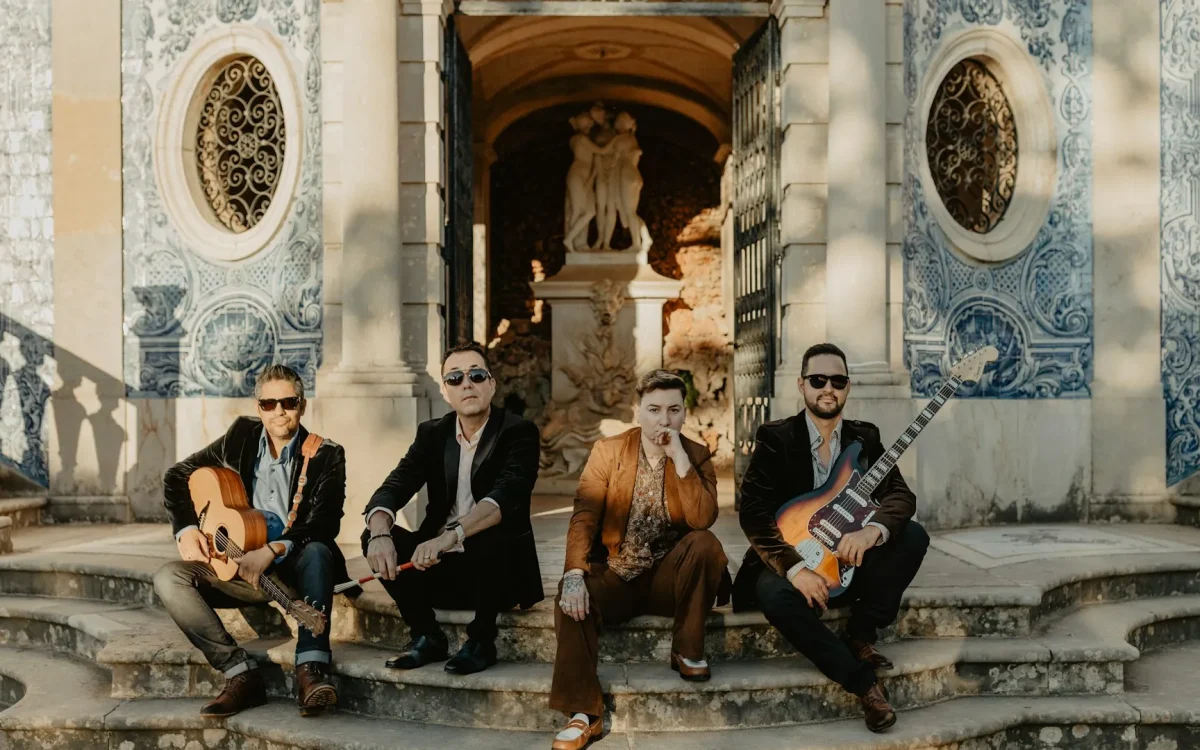
In a dimly lit room in Lisbon’s old quarter, the lights are lowered, someone whispers “silêncio” and a singer dressed in black begins to sing, accompanied by the bright, shimmering tones of the Portuguese guitar. The song is full of longing, regret and love. This is fado, Portugal’s most famous musical tradition, a song form that expresses saudade, a deep, bittersweet longing. In 2011, UNESCO inscribed fado on its list of the Intangible Cultural Heritage of Humanity. This guide explores its history, its instruments and how to experience it.
Origins in Lisbon
Fado emerged in Lisbon in the first half of the nineteenth century, in the city’s working-class neighbourhoods such as Alfama, Mouraria and Bairro Alto, among sailors, dock workers and the urban poor. Its origins are debated: some trace influences from Afro-Brazilian dances such as the lundum, others from Portuguese folk songs and maritime culture. The word fado comes from the Latin fatum, meaning “fate”, reflecting the themes of destiny and acceptance in many songs.
Saudade
Saudade is a Portuguese word often described as untranslatable. It refers to a deep longing for something or someone absent, perhaps lost forever, mixed with love and nostalgia. Saudade can be sad but also sweet, as it keeps the memory of what is loved alive. Many fados express saudade for lost loves, distant homelands, the sea or the past. It is the emotional heart of fado.
The instruments
| Instrument | Description | Role |
|---|---|---|
| Guitarra portuguesa | Twelve-string pear-shaped guitar in six double courses | Melodic counterpoint and solos |
| Viola | Classical acoustic guitar | Chords and rhythm |
| Viola baixo | Acoustic bass guitar | Bass lines, in some ensembles |
The guitarra portuguesa, descended from the European cittern, has a bright, ringing sound. Its player answers and embellishes the singer’s lines, creating a dialogue. The guitarist Carlos Paredes became a legend for his virtuosic solo playing on the instrument.
Maria Severa
Maria Severa (1820–1846) is considered one of the first great fado singers. She lived in Mouraria and became famous for her singing and her love affair with a nobleman, the Count of Vimioso. Her short, dramatic life became a legend, and the black shawl worn by many female fadistas is sometimes said to honour her memory.
Amália Rodrigues
Amália Rodrigues (1920–1999), known as the Queen of Fado, became Portugal’s most famous singer and an international star. Her powerful, expressive voice, her choice of poetry by great Portuguese poets and her charismatic performances transformed fado into an art recognised worldwide. She performed in films and concert halls around the world. When she died, Portugal declared three days of national mourning, and she was later buried in the National Pantheon in Lisbon.
Fado and politics
During the Estado Novo dictatorship of António de Oliveira Salazar (1933–1974), fado was regulated and censored: fadistas required licences, and lyrics were reviewed. The regime promoted fado as a national symbol, and after the Carnation Revolution of 1974, some people associated fado with the dictatorship and turned away from it. Over time, however, fado regained its popularity and status as an essential part of Portuguese culture.
Coimbra fado
In the university city of Coimbra, a different style of fado developed, sung by male students and former students, traditionally dressed in black academic capes. Coimbra fado is often more lyrical and romantic, linked with serenades and student life, and uses a Portuguese guitar with a slightly different tuning and construction. Serenades on the steps of the old cathedral are part of Coimbra’s student traditions.
A new generation
From the late 1990s, a new generation of fadistas revitalised the tradition. Mariza, born in Mozambique and raised in Mouraria, became internationally famous for her powerful voice and modern style. Ana Moura, Carminho, Camané and Cristina Branco are among the many singers who have brought fado to new audiences, sometimes blending it with other styles while respecting its core.
Fado houses
The best place to hear fado is in a casa de fado, a fado house, usually a small restaurant where fadistas perform between courses. Listeners are expected to remain silent during the songs. There is also fado vadio, amateur fado, where anyone can sing, often in small taverns. Each experience offers a different window into fado culture. See Lisbon’s fado houses.
A closer look: listening to the dialogue
When you listen to a fado recording, focus on the interplay between the singer and the guitarra portuguesa. The guitar often answers the singer’s phrases with short melodic responses, fills pauses and sometimes plays an introduction or interlude. Then focus on the singer’s phrasing, the way they stretch and shape words for emotional effect.
Putting it into practice
Listen to Amália Rodrigues, a Carlos Paredes instrumental and a recent recording by Mariza or Carminho. If you visit Lisbon, spend an evening in a fado house in Alfama or Mouraria. The Music Festival Trip Planner AI can help plan your trip, and the Music Travel Phrasebook AI can teach you useful Portuguese words.
Frequently asked questions
What does fado mean?
It comes from the Latin fatum, meaning “fate”.
What is saudade?
A deep, bittersweet longing for something or someone absent, central to fado.
Who is the most famous fado singer?
Amália Rodrigues, known as the Queen of Fado.
Questions and notes