Turkish Music: Ottoman Classical and Anatolian Folk
Turkish music bridges East and West, from the refined makam music of the Ottoman court to the bağlama songs of Anatolian minstrels. Instruments, makam and usul, the mehter band, aşık poets and the Anatolian rock of the 1970s.
In this guide
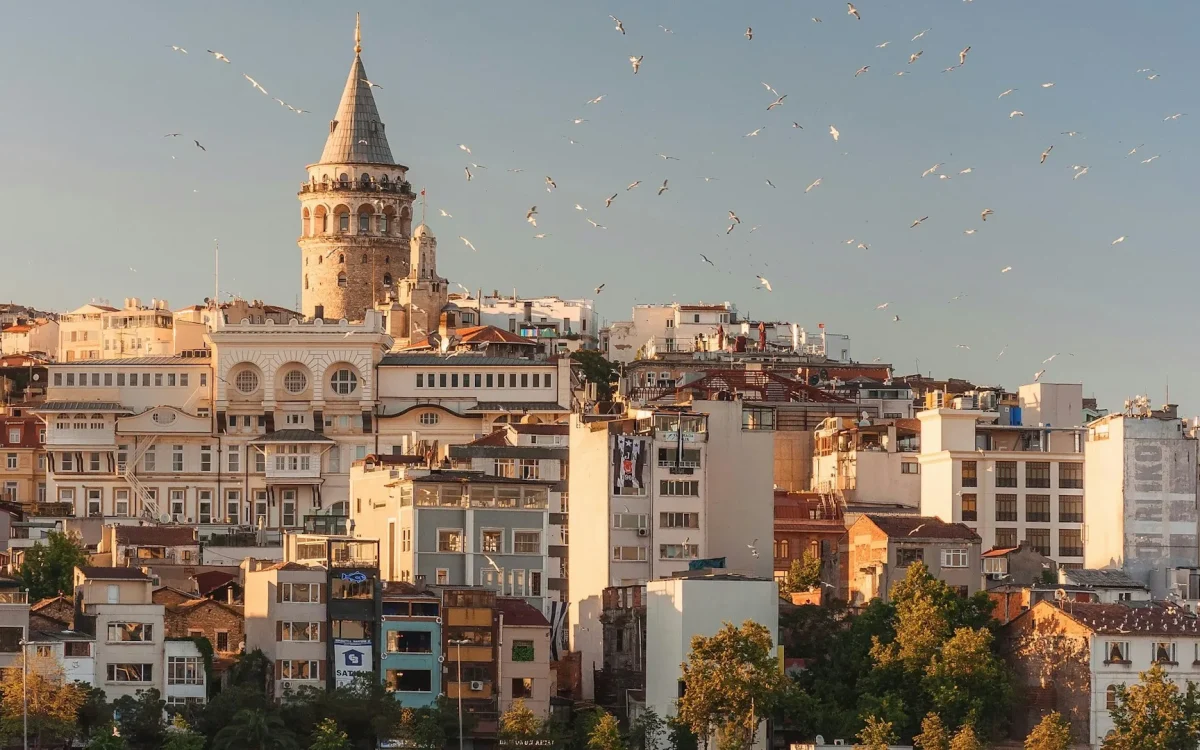
Turkey sits at the crossroads of Europe and Asia, and its music reflects centuries of exchange between cultures. On one side is the refined classical music of the Ottoman court, with its intricate modes and long rhythmic cycles; on the other, the folk music of Anatolia, with its long-necked lutes, minstrel poets and village dances. Add to this Sufi devotional music, the military bands that fascinated Europe and modern styles from Anatolian rock to Turkish pop, and you have one of the world’s richest musical traditions. This guide introduces its main forms.
Ottoman classical music
Ottoman classical music developed at the imperial court in Istanbul and in Sufi lodges, drawing on Persian, Arabic, Byzantine and Turkish traditions. It was performed by small ensembles and composed by musicians from many backgrounds, including Muslims, Christians and Jews, as well as several sultans. Its main forms include vocal suites called fasıl, instrumental preludes called peşrev and saz semaisi, and improvisations called taksim.
Makam and usul
Like Arabic music, Turkish classical music is based on modes called makam, each with its own notes, melodic path and character. Turkish theory divides the whole tone into small units called commas, and makam intervals often fall between Western semitones. Rhythm is organised into cycles called usul, which range from short patterns to very long cycles of dozens of beats. Some usul, such as aksak, use asymmetrical groupings like 2+2+2+3, giving Turkish music its distinctive limping rhythms. See Arabic maqam.
Classical instruments
| Instrument | Type | Character |
|---|---|---|
| Ney | End-blown reed flute | Breathy, spiritual tone, central to Sufi music |
| Tanbur | Long-necked fretted lute | Resonant, meditative |
| Kanun | Plucked zither with pitch levers | Bright, can change makam during a piece |
| Kemençe | Small bowed lyre held upright | Delicate, nasal tone |
| Ud | Fretless lute | Warm, versatile |
| Kudüm | Pair of small kettle drums | Marks the usul |
Composers and theorists
Buhurizade Mustafa Itri, a seventeenth-century composer, is one of the most revered figures of Ottoman music. Dimitrie Cantemir, a Moldavian prince who lived in Istanbul around 1700, wrote an important treatise on Ottoman music and devised a notation system that preserved many compositions. Sultan Selim III, who reigned from 1789 to 1807, was himself a composer and patron of music. In the twentieth century, musicians and scholars developed new theoretical systems for describing makam.
The mehter band
The mehter was the Ottoman military band, considered one of the oldest military bands in the world. With large drums, kettle drums, cymbals, the zurna and other instruments, it played as Ottoman armies marched and in ceremonies, creating a powerful, intimidating sound. European composers were fascinated by this music: so-called “Turkish music” in the eighteenth century inspired works such as Mozart’s Rondo alla Turca and passages in Beethoven, and European military bands adopted cymbals, bass drums and triangles. The mehter is still performed in Istanbul today.
Anatolian folk music
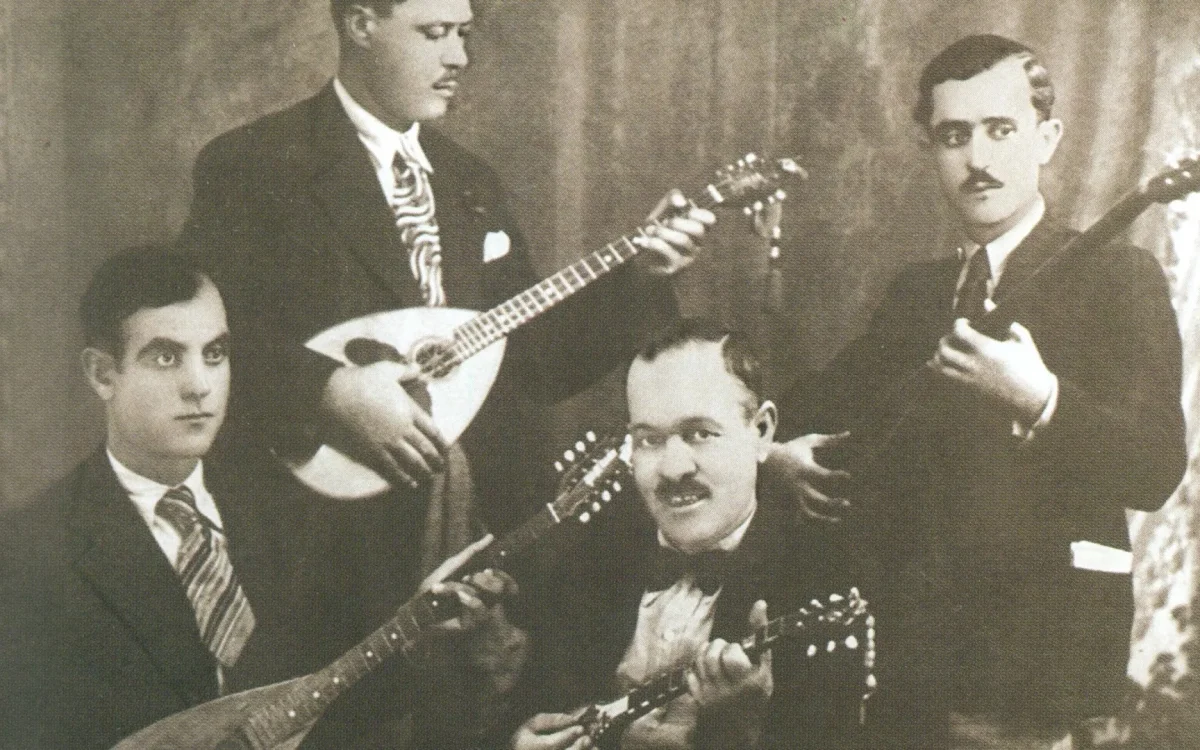
Turkish folk music, known as türkü, is incredibly varied, with styles from the Black Sea, the Aegean, central Anatolia and the southeast. Songs deal with love, separation, migration, nature and history. The most important folk instrument is the bağlama, also called saz, a long-necked lute with movable frets and a bright, ringing sound. Folk dances such as the halay, danced in a line, are popular at weddings and celebrations. The Black Sea region has its own kemençe, a small fiddle played with fast, energetic bowing.
The aşık tradition
Aşıks are minstrel poets who sing their own poetry, accompanying themselves on the bağlama. The tradition goes back centuries and is linked with the Alevi and Bektashi communities, among others. Aşıks travel, compete in poetic duels and sing about love, mysticism and social justice. Aşık Veysel (1894–1973), a blind poet-singer from central Anatolia, became one of the most beloved aşıks of the twentieth century, and his songs are still widely sung.
Sufi music
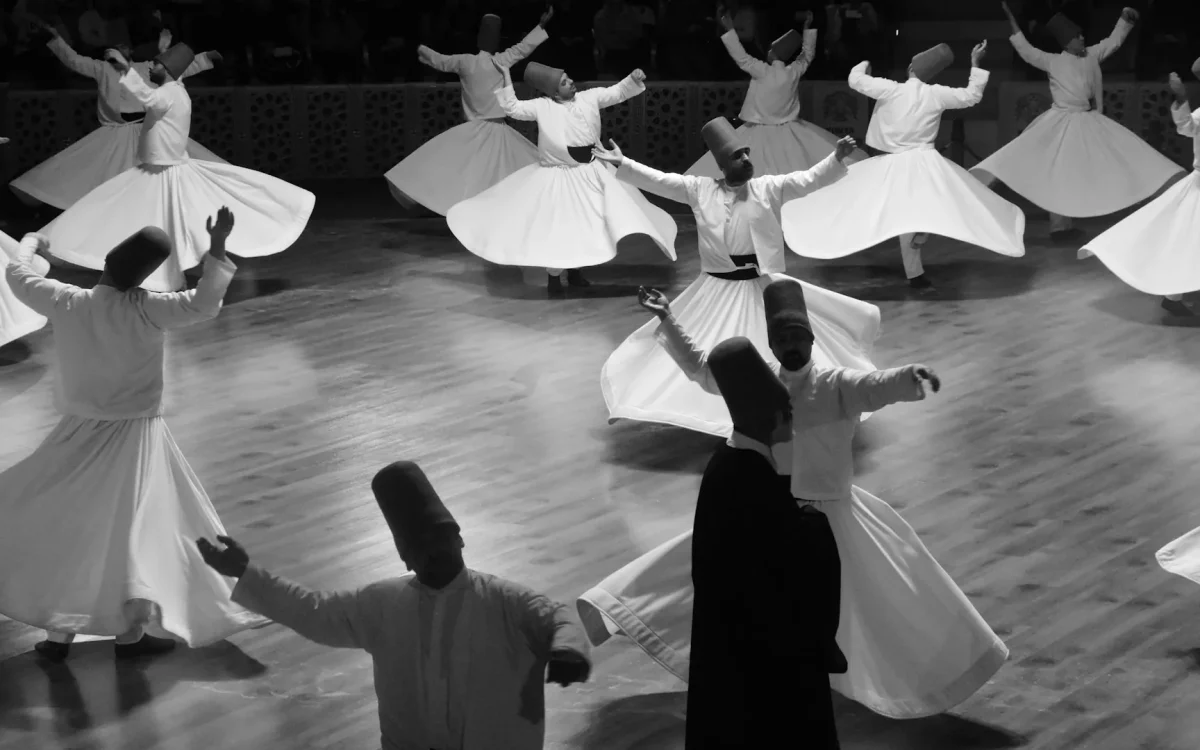
Turkish Sufi orders developed rich musical traditions. The Mevlevi order, founded by followers of the poet Rumi, performs the sema, a ceremony in which dervishes whirl to music played on the ney, kudüm, tanbur and other instruments. See Sufi music and the whirling dervishes.
Anatolian rock and arabesk
In the 1960s and 1970s, Turkish musicians combined Western rock with Anatolian folk melodies and instruments, creating Anatolian rock. Artists such as Barış Manço, Erkin Koray, Cem Karaca and Selda Bağcan became stars, and their records have been rediscovered by collectors in recent years. At the same time, arabesk, an emotional style influenced by Egyptian music and associated with urban migrants, became hugely popular, with singers such as Orhan Gencebay and Müslüm Gürses. Turkish pop, with stars such as Sezen Aksu and Tarkan, became internationally known from the 1990s.
A closer look: feeling aksak rhythms
Many Turkish songs use aksak rhythms, which means “limping”. Try counting a 9/8 rhythm as 1-2, 1-2, 1-2, 1-2-3, clapping on each “1”. The final longer group gives the rhythm its distinctive stumbling feel. These rhythms appear in folk dances and classical music, as well as in Balkan music. See Balkan brass.
Putting it into practice
Listen to an Ottoman classical fasıl, a recording of Aşık Veysel and an Anatolian rock track from the 1970s. The World Music Genre Explorer AI can explain makam and usul, and the Global Playlist Curator AI can build a playlist of Turkish music.
Frequently asked questions
What is a bağlama?
A long-necked Turkish lute with movable frets, the main instrument of Anatolian folk music.
What is the mehter?
The Ottoman military band, which influenced European “Turkish music”.
What is an aşık?
A Turkish minstrel poet who sings original poetry accompanied by the bağlama.

Questions and notes