Cumbia: How a Colombian Rhythm Conquered a Continent
Cumbia began on Colombia's Caribbean coast and travelled across Latin America, transforming in every country it reached. Its roots, instruments, rhythm and regional styles from Mexico to Peru and Argentina.
In this guide
Cumbia may be the most widely danced rhythm in Latin America. You can hear it in Mexican street parties, Peruvian dance halls, Argentine clubs and Colombian festivals, each version sounding a little different but sharing the same irresistible, swaying beat. Cumbia began as a folk tradition on Colombia’s Caribbean coast and became a continental phenomenon, adapting to every place it reached. This guide traces cumbia’s journey and explains what makes it so infectious.
Roots on Colombia’s Caribbean coast
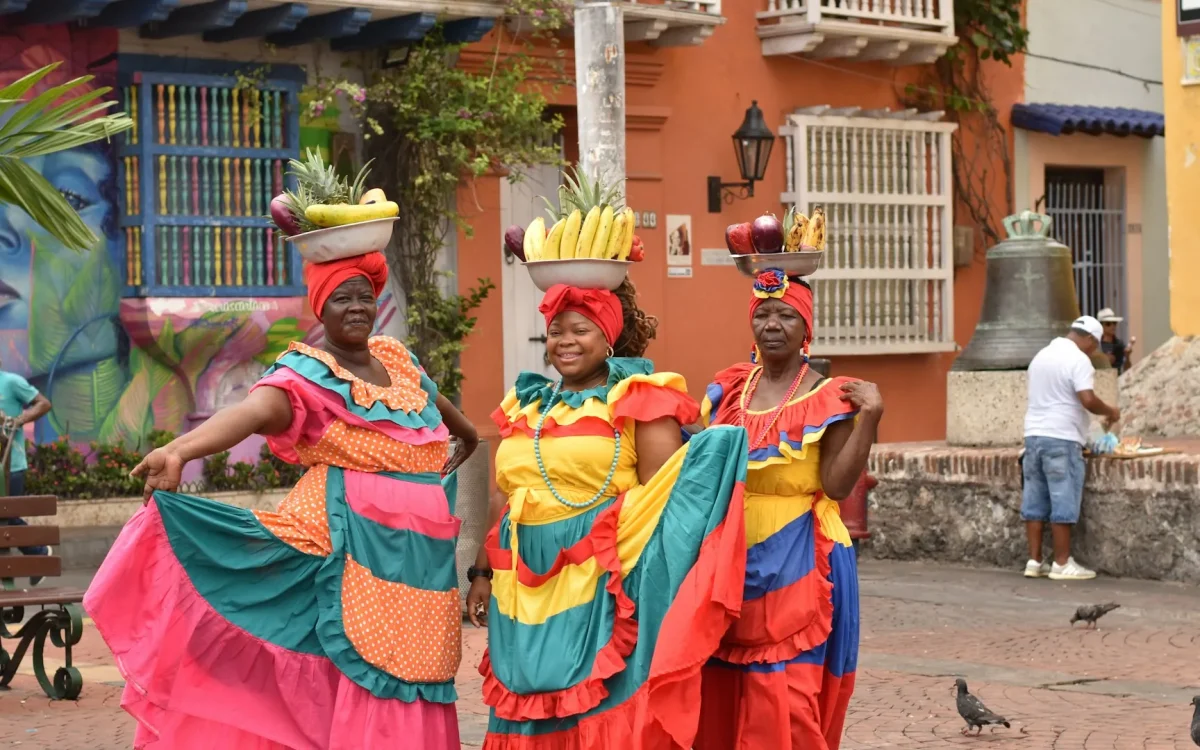
Cumbia emerged in the region around the Magdalena River and the Caribbean coast of Colombia. It is often described as a blend of three heritages: Indigenous, African and Spanish. Indigenous peoples contributed flutes such as the gaita and the millo; African traditions contributed drums and rhythms; and Spanish influences shaped melodies, song forms and costumes. Traditional cumbia was a courtship dance performed in a circle around musicians, with women carrying candles.
Traditional instruments
| Instrument | Role |
|---|---|
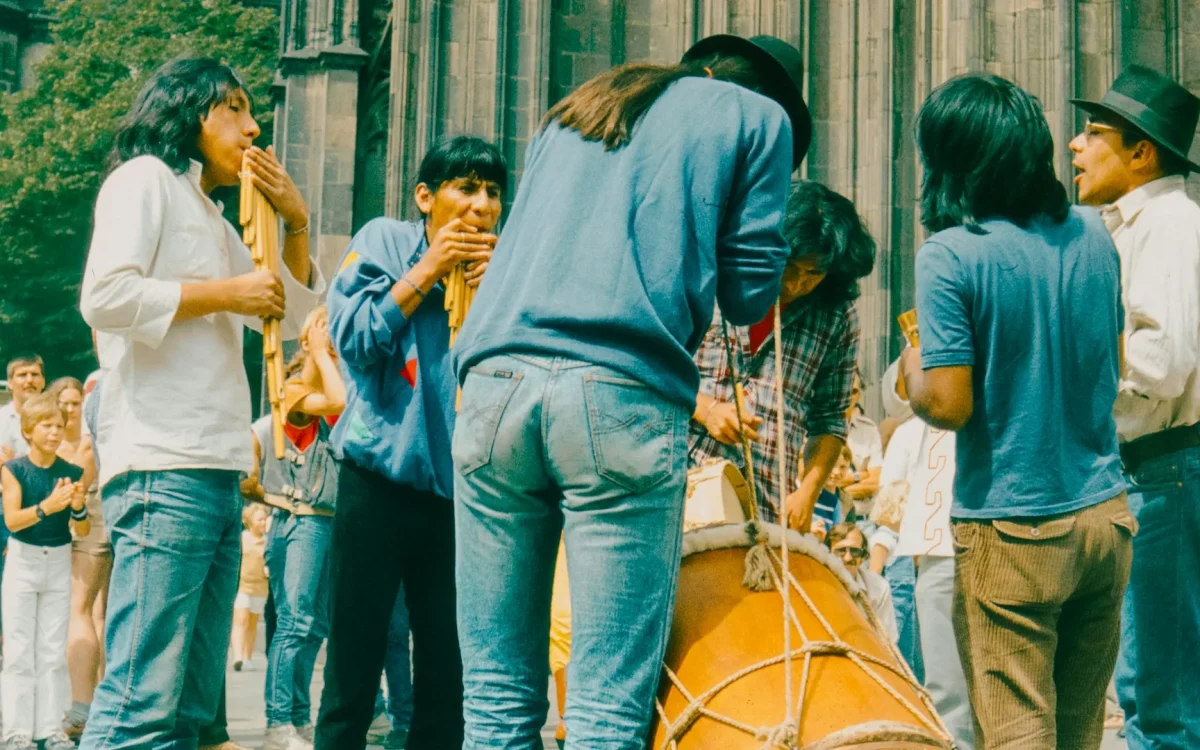
| Gaitas | Long Indigenous duct flutes, played in pairs (male and female) |
| Millo | Cane transverse flute with a buzzing tone |
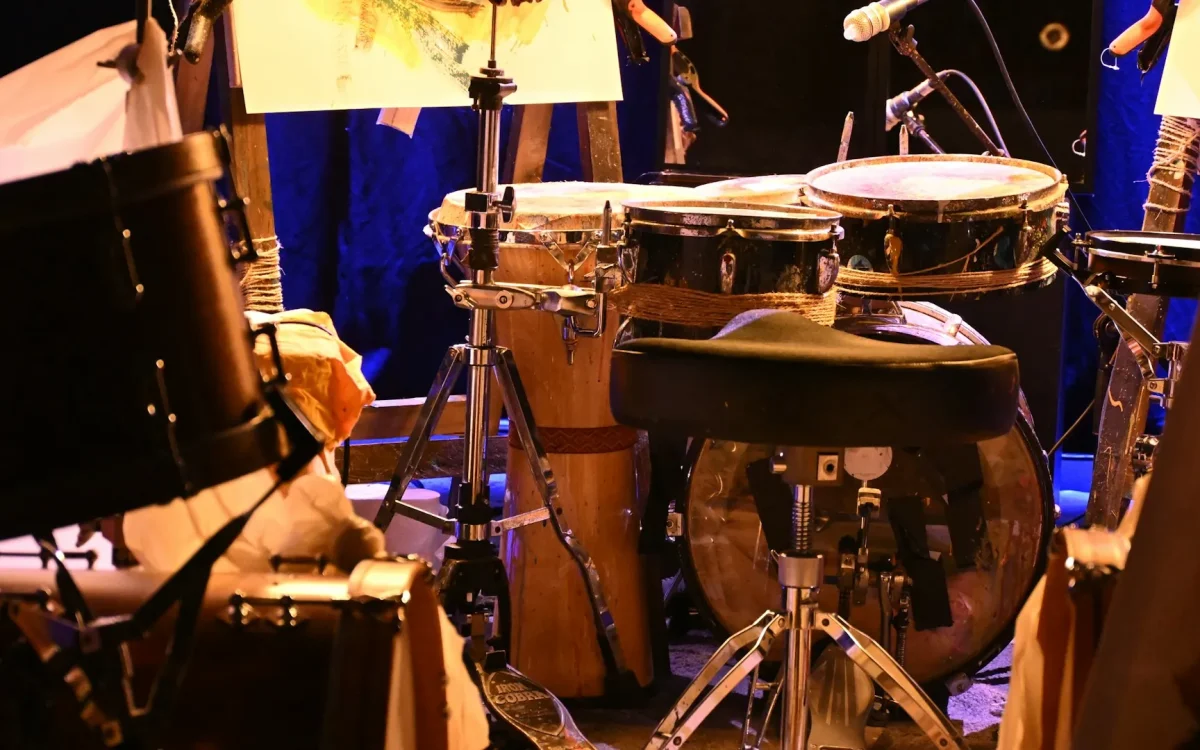
| Tambor alegre | Lead drum that improvises |
| Llamador | Small drum keeping a steady off-beat |
| Tambora | Double-headed bass drum |
| Maracas and guache | Shakers adding a constant pulse |
The cumbia rhythm
Cumbia is usually felt in two beats per bar, with a relaxed, rocking groove. The llamador drum often accents the off-beat, while the shakers keep a constant flow and the lead drum improvises. The result is a steady, hypnotic swing that is easy to dance to. Our free World Rhythm Machine lets you explore Latin rhythms and feel the off-beat accents that drive styles like cumbia.
From village to big band
In the 1940s and 1950s, Colombian bandleaders brought cumbia into ballrooms by arranging it for big bands with brass, clarinets and saxophones. Lucho Bermúdez and Pacho Galán were among the most famous, creating elegant orchestral cumbias that became popular across Latin America through radio and records. Accordion-based styles from the same region, such as vallenato, also grew in popularity, and the accordion became a key cumbia instrument in many countries.
Cumbia in Mexico
Mexico embraced cumbia enthusiastically from the mid-twentieth century. Regional styles developed, often featuring accordion, keyboards and electric bass. In Mexico City and the north, cumbia became part of popular celebrations. Cumbia sonidera, associated with sound-system culture, features DJs who add spoken dedications and effects. In the north, cumbia blended with norteño music and grupera bands, and Mexican cumbia artists reached huge audiences.
Peruvian chicha
In Peru in the 1960s and 1970s, musicians blended cumbia with Andean melodies and electric guitars influenced by surf rock and psychedelia. This style, known as chicha or cumbia amazónica (associated with the Amazonian region), features bright, twangy guitars and colourful energy. Groups such as Los Mirlos and Los Destellos are celebrated for this sound, and chicha has enjoyed a revival with international listeners.
Argentine cumbia
Argentina developed several cumbia styles, from romantic cumbia to cumbia villera, which emerged around the year 2000 in poor neighbourhoods of Buenos Aires with gritty, direct lyrics and keyboard-driven sound. Cumbia remains hugely popular at Argentine parties and clubs.
Digital cumbia
In the twenty-first century, producers in many countries began combining cumbia with electronic music, creating digital cumbia or electrocumbia. These artists sample traditional recordings, add electronic beats and bring cumbia to club audiences worldwide. This shows cumbia’s remarkable ability to absorb new influences while keeping its essential groove.
A closer look: the gaitas
To hear cumbia’s oldest sound, seek out recordings of gaita ensembles from Colombia’s Caribbean coast, such as the famous Gaiteros de San Jacinto. The gaitas are played in pairs: one plays the melody while the other plays a supporting rhythm, often with the player shaking a maraca with their free hand. Their haunting, breathy tone over driving drums connects modern cumbia to centuries-old traditions. Listening to a traditional gaita recording and then a modern cumbia makes the journey of the rhythm vivid.
Putting it into practice
Create a short cumbia journey: a traditional Colombian gaita recording, a 1950s big-band cumbia, a Peruvian chicha track and a modern digital cumbia. Notice what stays the same and what changes. The Global Playlist Curator AI can build this playlist for you, and the World Music Genre Explorer AI can explain each style.
Cumbia and the dance floor
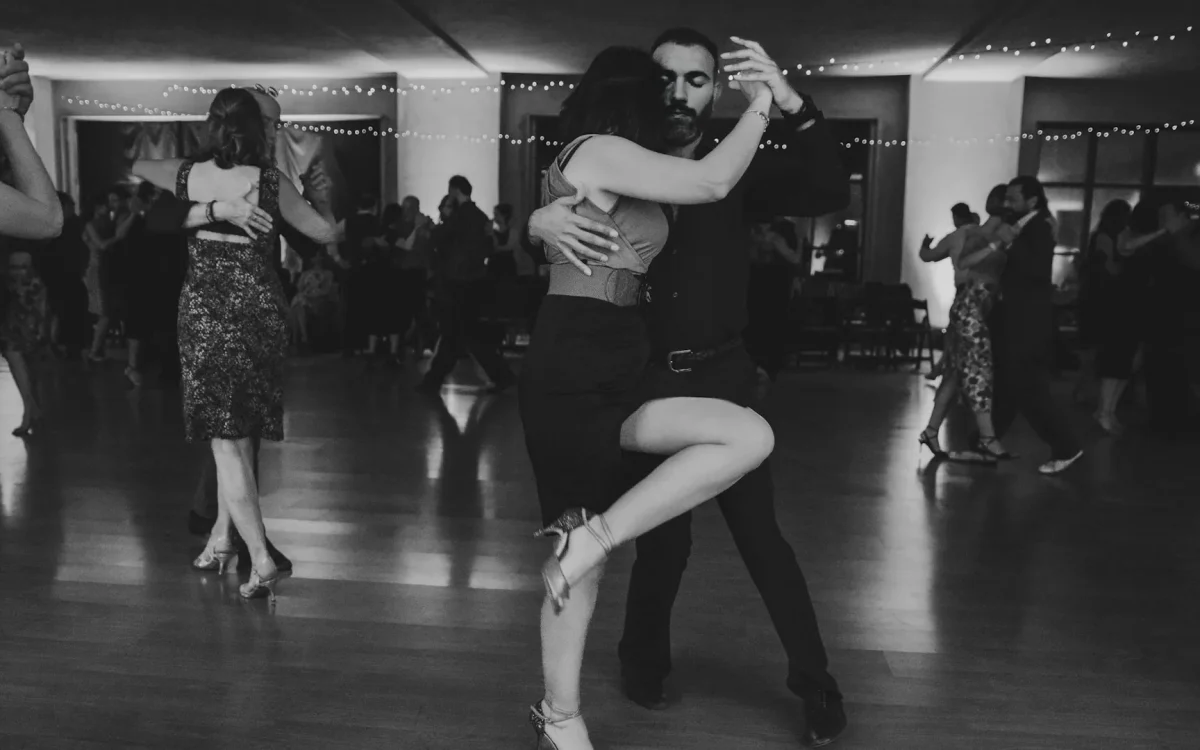
Part of cumbia’s success is that it is easy to dance to. The basic step is a simple back-and-forth movement on the beat, with a gentle sway of the hips, and couples can add turns as they grow more confident. Because the tempo is moderate and the rhythm steady, cumbia welcomes everyone, from grandparents to children, which is why it fills dance floors at weddings, birthdays and street festivals across the continent. In many places, cumbia is less a genre people choose than the music that is simply always there when people celebrate together.
Frequently asked questions
Where does cumbia come from?
From the Caribbean coast of Colombia, blending Indigenous, African and Spanish influences.
Is cumbia the same in every country?
No. Mexico, Peru, Argentina and others developed their own styles with different instruments and moods.
What instruments are used in modern cumbia?
Often accordion, keyboards, electric bass, guitar, percussion and sometimes electronic beats.
Questions and notes