Tango Music: From Buenos Aires Dance Halls to the World
Tango was born on the banks of the Río de la Plata and became one of the world's most passionate musical traditions. Its immigrant roots, the bandoneón, the Golden Age orchestras, Piazzolla's revolution and how to start listening.
In this guide
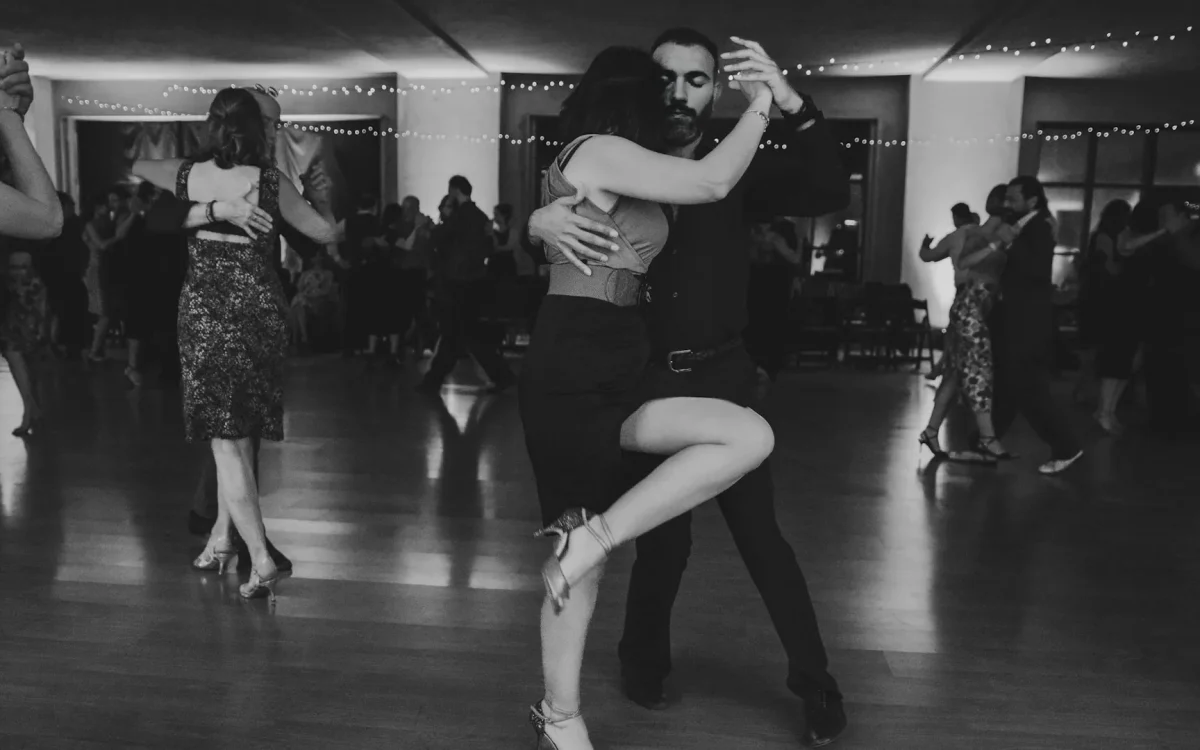
Tango is music of longing and drama. A bandoneón breathes a melancholy phrase, violins sweep upward, a piano marks a sharp, marching rhythm, and the whole orchestra seems to hold its breath before the next step of the dance. Born in the port cities of Buenos Aires and Montevideo, tango has become one of the world’s most recognisable musical traditions, danced in milongas from Paris to Tokyo. This guide explores tango’s history, its instruments and the different eras that shaped its sound.
Born on the Río de la Plata
Tango emerged in the late nineteenth century in the working-class neighbourhoods and port areas of Buenos Aires in Argentina and Montevideo in Uruguay. These cities were filling with immigrants, especially from Italy and Spain, alongside Afro-Argentine and Afro-Uruguayan communities and rural migrants. Tango drew on the habanera from Cuba, the milonga from the countryside, African-derived rhythms such as candombe and European dance music. At first it was associated with the rough side of city life, but by the early twentieth century it had become fashionable in Paris and then embraced by Argentine society.
The bandoneón: tango’s soul
The bandoneón is the instrument most closely linked with tango. It is a square bellows instrument, related to the concertina, invented in Germany in the nineteenth century and named after Heinrich Band. It arrived in Argentina with immigrants and sailors and became central to tango orchestras. Its reedy, breathing tone can sound both tender and fierce, and it is notoriously difficult to play, with different notes on the push and pull of the bellows.
The tango orchestra
| Instrument | Role |
|---|---|
| Bandoneón | Melodies, rhythmic accents, dramatic phrases |
| Violins | Lyrical melodies and countermelodies |
| Piano | Rhythmic drive and harmony |
| Double bass | Foundation, including percussive slaps |
| Voice | The cantor, singing the tango’s poetry |
The classic orquesta típica combined several bandoneóns and violins with piano and double bass. Smaller groups, such as trios and quartets, also played tango, especially in its early days.
Carlos Gardel and tango song
Carlos Gardel, the most famous tango singer, helped turn tango into song as well as dance music in the 1910s to 1930s. His warm voice and charisma made him an international star through records and films. Tango lyrics often tell stories of lost love, nostalgia for the old neighbourhood, betrayal and the passing of time, written in a mix of Spanish and the Buenos Aires slang known as lunfardo. Gardel died in a plane crash in 1935, and he remains a legendary figure in Argentina and Uruguay.
The Golden Age
The 1940s are often called the Golden Age of tango. Large orchestras played in dance halls across Buenos Aires, and each had its own style. Juan D’Arienzo was known for a driving, rhythmic sound loved by dancers. Carlos Di Sarli offered elegance and smooth melody. Aníbal Troilo, a great bandoneón player, combined lyricism with sophistication. Osvaldo Pugliese created dramatic, powerful arrangements with a distinctive heavy beat. Much of the music danced in milongas today comes from this period.
Piazzolla and nuevo tango
Astor Piazzolla, a bandoneón player and composer, transformed tango from the 1950s onwards. Influenced by jazz and classical music, he created nuevo tango, with complex harmonies, counterpoint and new forms meant for listening as much as dancing. His works, such as “Libertango” and “Adiós Nonino”, are now played by classical musicians and ensembles worldwide. At first, some traditionalists criticised him, but today he is celebrated as one of tango’s great innovators.
Tango today
In the late twentieth and early twenty-first centuries, tango enjoyed a global revival. Dance schools and milongas opened in cities around the world. Electronic tango groups, such as Gotan Project, blended tango with electronic beats. In 2009, tango was inscribed on UNESCO’s list of the Intangible Cultural Heritage of Humanity, jointly proposed by Argentina and Uruguay. In Buenos Aires, milongas, concerts and festivals keep the tradition alive.
Tango, milonga and vals
At a milonga (both the name of a dance event and a musical style), dancers move through three types of music. Tango itself has a steady, walking rhythm. Milonga is faster and more playful, related to the habanera. Vals is tango’s version of the waltz, in three beats. DJs usually play sets called tandas of three or four songs of the same type, separated by short interludes called cortinas.
A closer look: hearing the marcato
Many tango orchestras play with a strong, accented beat called marcato, where the piano, bass and bandoneóns strike the beats together. Listen for it in Golden Age recordings and feel how it gives dancers a clear walking pulse. Then listen for the moments when the orchestra breaks into legato phrases, with long, singing violin lines. The contrast between sharp rhythmic accents and lyrical melodies is one of tango’s most exciting features.
Putting it into practice
Listen to a Gardel recording, a Golden Age orchestra and a Piazzolla piece, and compare the mood and purpose of each. If you are curious about dancing, a beginner tango class is a wonderful introduction. The Music Culture Storyteller AI can tell you more about tango’s history and personalities.
Frequently asked questions
Is tango Argentine or Uruguayan?
Both. Tango developed in Buenos Aires and Montevideo on either side of the Río de la Plata.
What instrument is most associated with tango?
The bandoneón, a bellows instrument related to the concertina.
Who was Astor Piazzolla?
An Argentine bandoneón player and composer who created nuevo tango, blending tango with jazz and classical music.
Questions and notes