Desert Blues: Tuareg Guitar from the Sahara
Desert blues is the hypnotic electric guitar music of the Sahara, born among Tuareg musicians in exile. Tinariwen, the assouf feeling, the Malian connection with Ali Farka Touré and today's new generation of guitarists.
In this guide
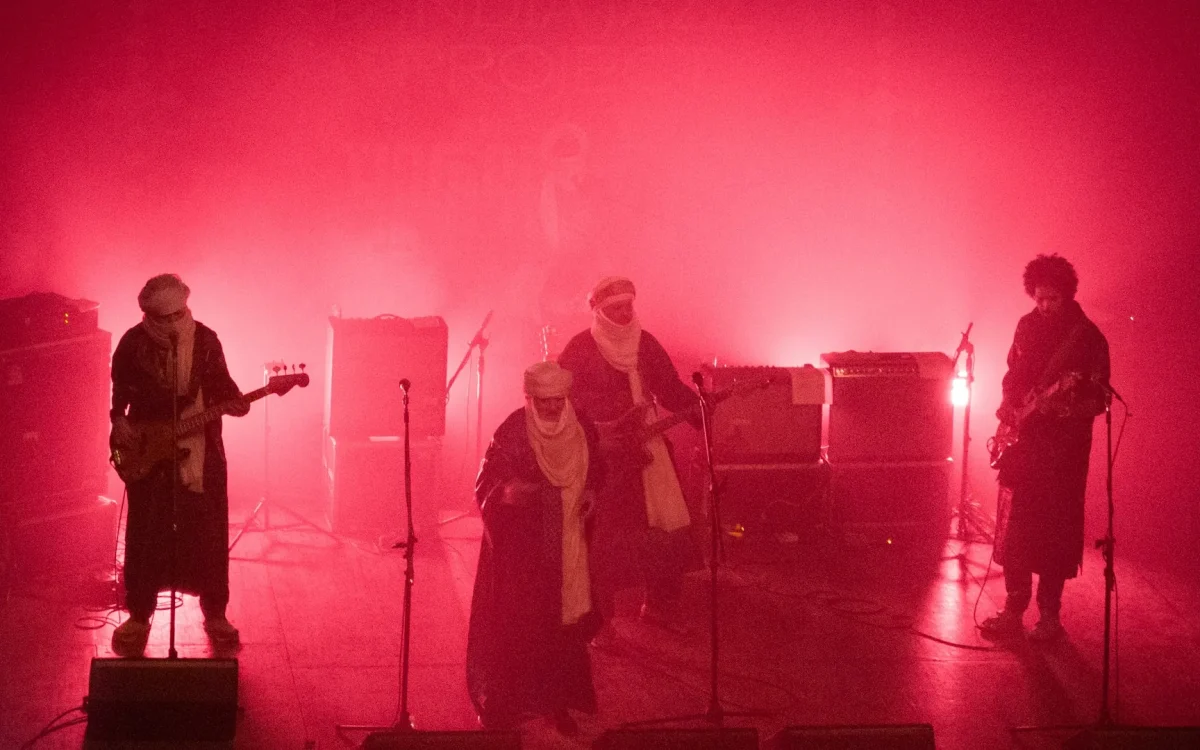
Rolling electric guitar riffs, hand claps, a steady drum and voices singing in call and response: desert blues sounds like the vast landscapes of the Sahara set to music. Developed by Tuareg musicians in the late twentieth century, it blends traditional Tuareg melodies and rhythms with the electric guitar, and it carries songs of exile, longing and resistance. Over the past few decades, desert blues has found audiences around the world and influenced rock and blues musicians far from the desert. This guide explains its history, its sound and how to start listening.
Who are the Tuareg?
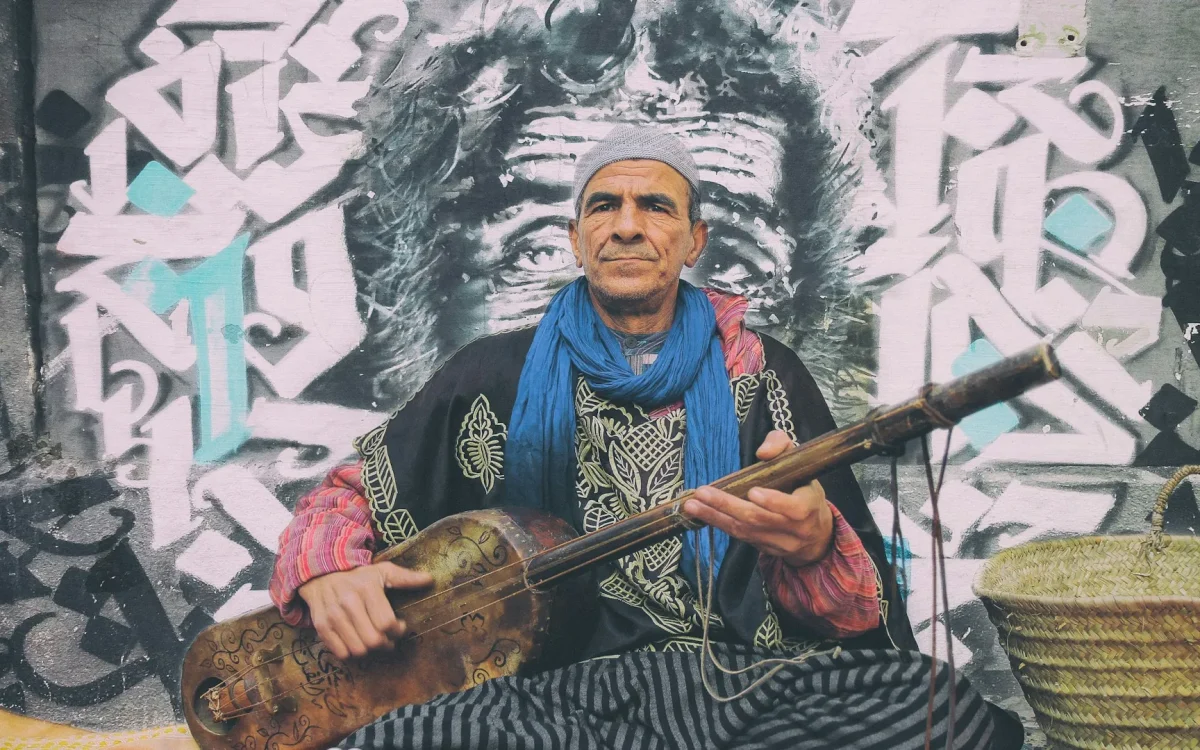
The Tuareg, who call themselves Kel Tamasheq (the people who speak Tamasheq), are a Berber people traditionally living as nomads and traders across the Sahara, in parts of Mali, Niger, Algeria, Libya and Burkina Faso. Their culture has rich musical traditions, including songs accompanied by the tende drum and the imzad, a one-string fiddle traditionally played by women. Tuareg society suffered great hardship in the twentieth century, as droughts destroyed herds and new national borders disrupted traditional routes.
The ishumar and exile
In the 1970s and 1980s, many young Tuareg men left their homes to seek work in Algeria and Libya. They became known as ishumar, a word derived from the French chômeur, meaning unemployed. Living in exile, often in difficult conditions, they adopted the guitar and began writing songs about their homeland, their struggles and their political hopes. These songs, passed around on cassettes, became the basis of a new musical style.
Tinariwen
The band most closely associated with desert blues is Tinariwen, founded around 1979 by Ibrahim Ag Alhabib and other Tuareg musicians in exile. Ibrahim had been inspired as a child by seeing a western film in which a cowboy played the guitar, and he built his first guitar from a tin can, a stick and bicycle brake wire. Tinariwen’s songs, sung in Tamasheq, spoke of exile and resistance, and became anthems for Tuareg communities. From the early 2000s, the band toured internationally, and in 2012 their album Tassili won a Grammy Award for Best World Music Album.
Assouf: the feeling of the music
Tuareg musicians often describe their music with the word assouf, which refers to longing, nostalgia and loneliness, the feeling of missing home and loved ones. Like the blues, desert music expresses sorrow but also resilience and community. The repetitive, hypnotic grooves can feel like travelling across endless dunes, and the call-and-response singing reflects the communal roots of the music.
The sound of desert blues
| Element | Description |
|---|---|
| Electric guitars | Repeating riffs and melodic lines, often in pentatonic scales |
| Bass | Steady, rolling lines |
| Percussion | Hand drums, calabash and hand claps |
| Vocals | Lead singer with a chorus answering |
| Rhythm | Swaying, loping grooves derived from traditional dances |
| Language | Tamasheq, the Tuareg language |
The guitar style imitates traditional Tuareg melodies and the sound of the tende drum, with repeated patterns that create a trance-like effect.
Mali and the blues connection
Desert blues is often linked with the music of Mali more broadly. Ali Farka Touré (1939–2006), from Niafunké on the Niger River, became world-famous for his guitar playing, which many listeners compared to American blues. He was not Tuareg, but his music shares the same roots in the Sahel and helped audiences hear the connections between West African music and the blues. His collaborations included the Grammy-winning Talking Timbuktu with Ry Cooder and In the Heart of the Moon with the kora player Toumani Diabaté. See the kora.
A new generation
After Tinariwen, many Tuareg bands and guitarists emerged. Bombino, from Agadez in Niger, became known for his virtuosic, rock-influenced playing. Tamikrest, from Mali, blended desert blues with rock and reggae. Mdou Moctar, also from Niger, gained international attention with his energetic, psychedelic guitar style. Many of these musicians learned from cassettes and mobile phones, sharing music across the desert through digital networks.
The Festival au Désert
From 2001, the Festival au Désert near Timbuktu in Mali brought Tuareg and international musicians together in the desert, attracting visitors from around the world. Conflict in northern Mali from 2012 forced the festival into exile, and it has since been held in other locations, but it remains a symbol of the region’s musical life and its hopes for peace.
A closer look: listening to the guitar
In desert blues, the guitar often plays short, repeating phrases rather than chords. Listen for how one guitar plays a rhythmic pattern while another plays melodic fills. The phrases often use pentatonic scales, which is one reason the music sounds familiar to blues listeners. You can explore pentatonic scales yourself with our World Scales Explorer.
Putting it into practice
Listen to an early Tinariwen recording, an Ali Farka Touré track and a recent Mdou Moctar song, and compare the guitars and moods. Notice how the grooves repeat and gradually build. The Global Playlist Curator AI can suggest a desert blues listening path, and the World Music Genre Explorer AI can explain the links between Saharan music and the blues.
Frequently asked questions
Who started desert blues?
Tuareg musicians in exile, especially the band Tinariwen, founded around 1979.
What does assouf mean?
A Tamasheq word for longing and nostalgia, central to the feeling of desert blues.
Was Ali Farka Touré a Tuareg musician?
No, he was from Niafunké in Mali, but his Sahelian guitar style is closely linked with desert blues.
Questions and notes