South African Choral Music: Isicathamiya and Beyond
South Africa has one of the world's richest choral traditions, from Zulu isicathamiya and mbube to church choirs and freedom songs. Ladysmith Black Mambazo, Solomon Linda and the voices that carried a nation.
In this guide
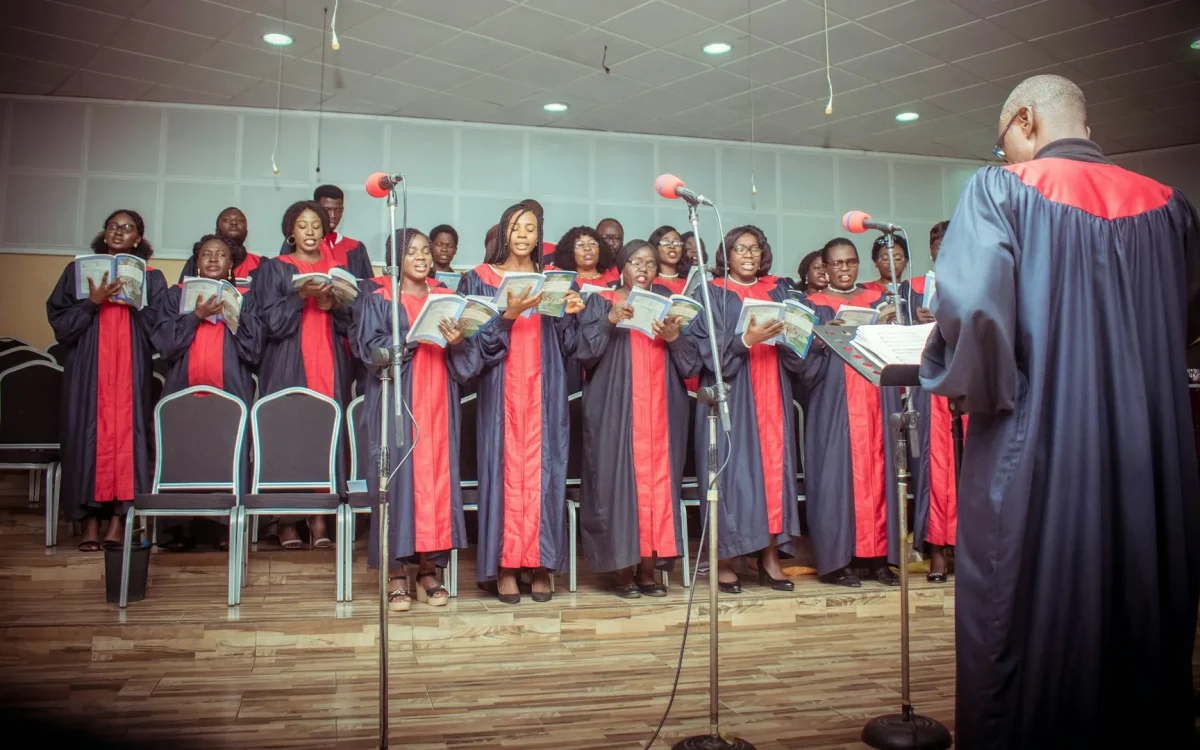
Few sounds are as moving as a South African choir: deep bass voices like a rumbling foundation, rich harmonies, call and response between leader and group, and singers moving together as they sing. Choral singing is woven into South African life, from churches and schools to workplaces, competitions and political protests. It produced one of the world’s most famous a cappella groups, Ladysmith Black Mambazo, and songs that became anthems of the struggle against apartheid. This guide explores the main forms of South African choral music.
Roots of a singing culture
Group singing has deep roots in the cultures of southern Africa, where songs accompany work, ceremonies, celebrations and storytelling. In the nineteenth century, missionaries introduced hymns and European choral harmony, and many South Africans combined these with their own vocal traditions. The result was a distinctive choral style that uses Western-style harmony with African rhythms, call and response and vocal techniques.
Mbube and Solomon Linda
In the 1930s, Zulu migrant workers in cities such as Johannesburg and Durban formed singing groups that performed in their hostels and at competitions. In 1939, Solomon Linda and his group the Evening Birds recorded “Mbube” (“Lion”), with its powerful bass voices and soaring falsetto lead. It became a huge hit in South Africa, gave its name to a whole style of singing and was later adapted abroad into “The Lion Sleeps Tonight”. Linda received little money from its international success, and the story became a famous example of unfair treatment of African musicians, later partly addressed through a legal settlement with his family.
Isicathamiya
From the mbube style developed isicathamiya, a softer, more refined a cappella style performed by male choirs. The name comes from a Zulu word meaning to walk softly or tiptoe, referring to the gentle, carefully choreographed dance steps that the singers perform so as not to disturb hostel security guards or neighbours. Isicathamiya groups compete in all-night competitions on Saturday nights, judged on their singing, choreography and appearance. These competitions continue today in cities such as Durban and Johannesburg.
Ladysmith Black Mambazo
Ladysmith Black Mambazo, founded by Joseph Shabalala in the early 1960s, became the most famous isicathamiya group. Shabalala said the group’s sound came to him in a series of dreams. They became so dominant in competitions that they were eventually asked to stop competing. In 1986, they sang on Paul Simon’s album Graceland, which introduced them to audiences around the world. They went on to win several Grammy Awards and perform internationally for decades.
| Style | Features |
|---|---|
| Mbube | Powerful, loud singing with strong bass and falsetto lead |
| Isicathamiya | Softer, blended harmonies with tiptoe choreography |
| Makwaya | Church and school choirs combining hymns with African styles |
| Freedom songs | Protest songs sung at rallies and marches |
| Gospel choirs | Modern church music, often with instruments |
Makwaya and church choirs
Makwaya, from the English word “choir”, refers to the choral music of churches, schools and community choirs. These choirs sing hymns, African compositions and arrangements of traditional songs, often in four-part harmony with African rhythmic and vocal features. Choir competitions are major events, and choral singing is a popular activity across the country.
Nkosi Sikelel’ iAfrika
In 1897, Enoch Sontonga, a teacher and choirmaster, composed the hymn “Nkosi Sikelel’ iAfrika” (“Lord Bless Africa”). It was sung in churches and later adopted by the African National Congress as an anthem of the struggle against apartheid. After the end of apartheid, part of it was combined with the former anthem to form South Africa’s national anthem. Versions of the hymn also became national anthems in other African countries.
Freedom songs
During the apartheid era, songs were a powerful form of resistance. At rallies, funerals and marches, people sang freedom songs, often adapted from hymns or traditional songs with new words. The toyi-toyi, a high-stepping protest dance with chanting, became a symbol of resistance. Many South Africans remember these songs as an essential part of the struggle, giving people courage and a sense of unity.
Gospel and beyond
South African gospel music is hugely popular, with large choirs and powerful soloists. The Soweto Gospel Choir, formed in 2002, became internationally known and won Grammy Awards. South African choral music also influenced composers and choirs abroad, and many choirs around the world sing South African songs.
A closer look: listening to the bass
When you listen to an isicathamiya or mbube recording, focus on the bass voices. They often sing deep, rhythmic patterns that act like a drum or bass instrument, while the lead singer sings melodies above. Notice how the harmonies move together and how the leader’s calls are answered by the group. The blend of voices is so close that it can sound like a single instrument.
Putting it into practice
Listen to the original “Mbube”, a Ladysmith Black Mambazo recording and a performance by a South African gospel choir, and compare the styles. If you sing in a choir, try learning a South African song with its movements. The Music Culture Storyteller AI can tell you more about the stories behind these songs, and the Global Playlist Curator AI can suggest recordings.
Frequently asked questions
What is isicathamiya?
A Zulu a cappella choral style with soft harmonies and tiptoe dance steps.
Who founded Ladysmith Black Mambazo?
Joseph Shabalala, in the early 1960s.
Who wrote Nkosi Sikelel’ iAfrika?
Enoch Sontonga, a teacher and choirmaster, in 1897.

Questions and notes