English Folk Music and the Folk Revival
England's folk songs and dances were collected by Cecil Sharp and Vaughan Williams, revived in the folk clubs of the 1950s and electrified by Fairport Convention. Ballads, morris dancing, the concertina and today's thriving English folk scene.
In this guide
England’s folk music is sometimes overshadowed by the Celtic traditions of its neighbours, but it is rich and varied, with centuries-old ballads, dance tunes, work songs and seasonal customs such as morris dancing. Twice in the twentieth century, waves of enthusiasm known as folk revivals brought this music to new audiences, first through collectors who travelled the countryside noting down songs and later through folk clubs and folk-rock bands. Today English folk music is enjoying a lively renaissance. This guide explores its history.
Ballads and songs
English folk songs include ballads, long narrative songs telling stories of love, betrayal, murder, the supernatural and historical events, as well as work songs, love songs, drinking songs and songs for seasonal celebrations. In the late nineteenth century, the American scholar Francis James Child collected the texts of 305 ballads from England and Scotland, published as The English and Scottish Popular Ballads. These “Child ballads” remain central to the repertoire of folk singers on both sides of the Atlantic.
The first revival
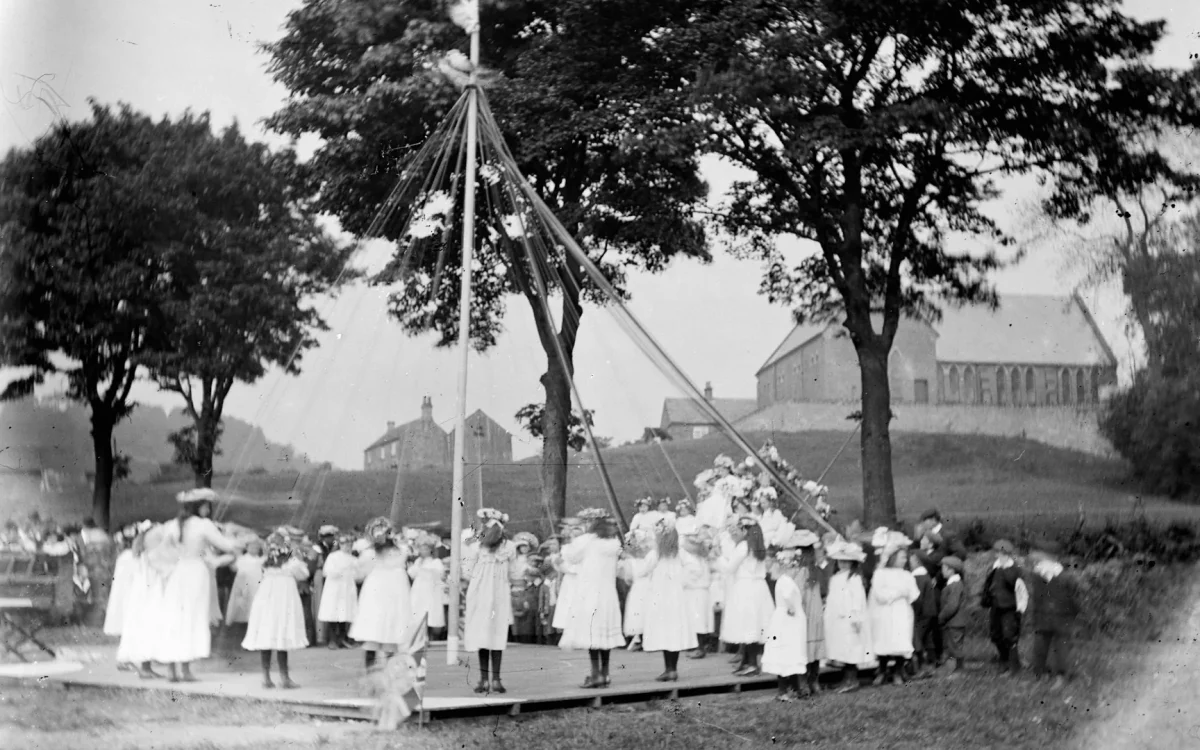
At the end of the nineteenth century, as industrialisation and urbanisation transformed rural life, collectors became concerned that traditional songs were disappearing. The Folk-Song Society was founded in 1898. Collectors such as Lucy Broadwood, Cecil Sharp and the composer Ralph Vaughan Williams travelled through villages, noting down songs from elderly singers and later recording them with phonographs.
Cecil Sharp
Cecil Sharp (1859–1924) was the most influential figure of the first revival. He collected thousands of songs and dance tunes in England, especially in Somerset, and between 1916 and 1918, with Maud Karpeles, he collected songs in the Appalachian mountains of the United States, where descendants of British settlers had preserved old ballads. Sharp also promoted the teaching of folk songs and dances in schools and founded the English Folk Dance Society in 1911, which later became the English Folk Dance and Song Society, based at Cecil Sharp House in London.
Vaughan Williams and the composers
Ralph Vaughan Williams collected hundreds of folk songs and drew on them in his compositions, such as the English Folk Song Suite. He also edited hymn collections that set folk melodies to sacred texts. The Australian-born composer Percy Grainger made early phonograph recordings of English singers. These composers helped shape a distinctively English style of classical music inspired by folk song.
Morris and sword dancing
| Dance | Description |
|---|---|
| Cotswold morris | Dancers with bells on their legs, waving handkerchiefs or striking sticks |
| Border morris | Vigorous dances with blackened or painted faces and colourful costumes |
| Rapper sword | Fast dance with flexible swords from the North East |
| Longsword | Dancers linked by rigid swords, from Yorkshire |
| North West morris | Processional dances in clogs |
Morris dancing is one of England’s most distinctive traditions, performed especially in spring and summer, often at pubs and village festivals. Cecil Sharp’s interest in folk dance began when he saw the Headington Quarry morris dancers on Boxing Day in 1899.
The second revival
In the 1950s and 1960s, a second folk revival swept England, inspired partly by the American folk boom and by political movements. Folk clubs opened in pubs across the country, where singers performed traditional songs and new songs in a folk style. Ewan MacColl, a singer, songwriter and activist from Salford, and the folklorist A.L. Lloyd were leading figures, promoting traditional singing and writing new songs about working life.
The Watersons and the singers
The Watersons, a family group from Hull, became famous for their unaccompanied harmony singing of traditional songs. Shirley Collins, Anne Briggs and Martin Carthy were among the singers and guitarists who shaped the sound of the revival. Martin Carthy’s guitar arrangements of traditional songs influenced many musicians, including Bob Dylan and Paul Simon.
Folk-rock
In the late 1960s, bands began combining traditional English songs with rock instruments. Fairport Convention’s album Liege & Lief (1969), featuring the singer Sandy Denny, is often considered the first great English folk-rock album. Steeleye Span and Pentangle also blended folk and rock or jazz, bringing traditional songs to rock audiences.
Instruments
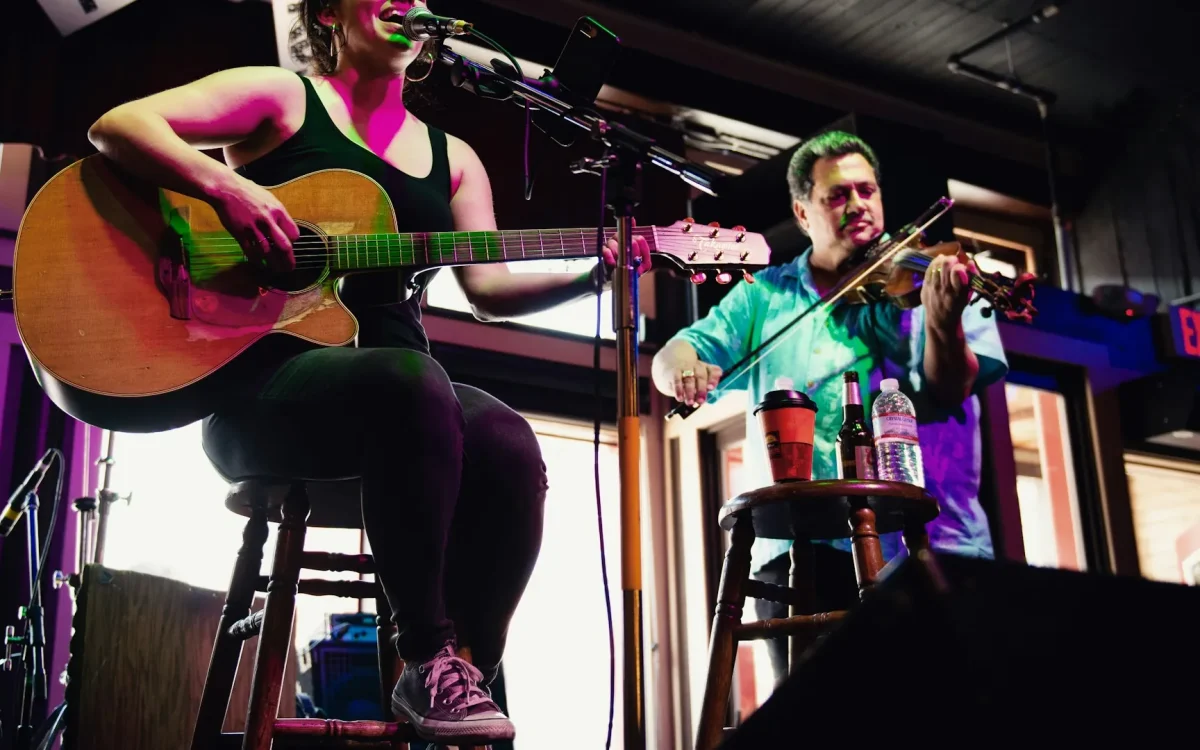
English folk music uses the fiddle, melodeon (a button accordion), English concertina, invented in the nineteenth century, guitar and voice. The Northumbrian smallpipes, a bellows-blown bagpipe with a sweet tone, are unique to the North East of England. See bagpipes around the world.
Folk today
In recent decades, English folk music has enjoyed a new wave of popularity. Musicians such as Eliza Carthy, daughter of Martin Carthy and Norma Waterson, Kate Rusby, the big band Bellowhead and Sam Lee have brought fresh energy to the tradition. Festivals such as the Cambridge Folk Festival, held since 1965, and Sidmouth Folk Week attract large audiences.
A closer look: listening to a ballad
When you listen to a traditional ballad, notice how the melody repeats for each verse, letting the story take centre stage. Many ballads include refrains, dialogue and dramatic twists. Follow the story as if listening to a storyteller, and notice how the singer’s delivery brings the characters to life.
Putting it into practice
Listen to an unaccompanied ballad by a traditional singer, a Watersons recording and Fairport Convention’s Liege & Lief. The Music Culture Storyteller AI can tell you the stories behind famous ballads, and our guide to folk session etiquette explains how to join in. See also sea shanties.
Frequently asked questions
Who was Cecil Sharp?
The leading collector of English folk songs and dances in the early twentieth century.
What are Child ballads?
305 English and Scottish ballads collected by Francis James Child.
What is folk-rock?
A blend of traditional folk songs with rock instruments, pioneered by Fairport Convention.

Questions and notes