Traditional Music of Thailand and Vietnam
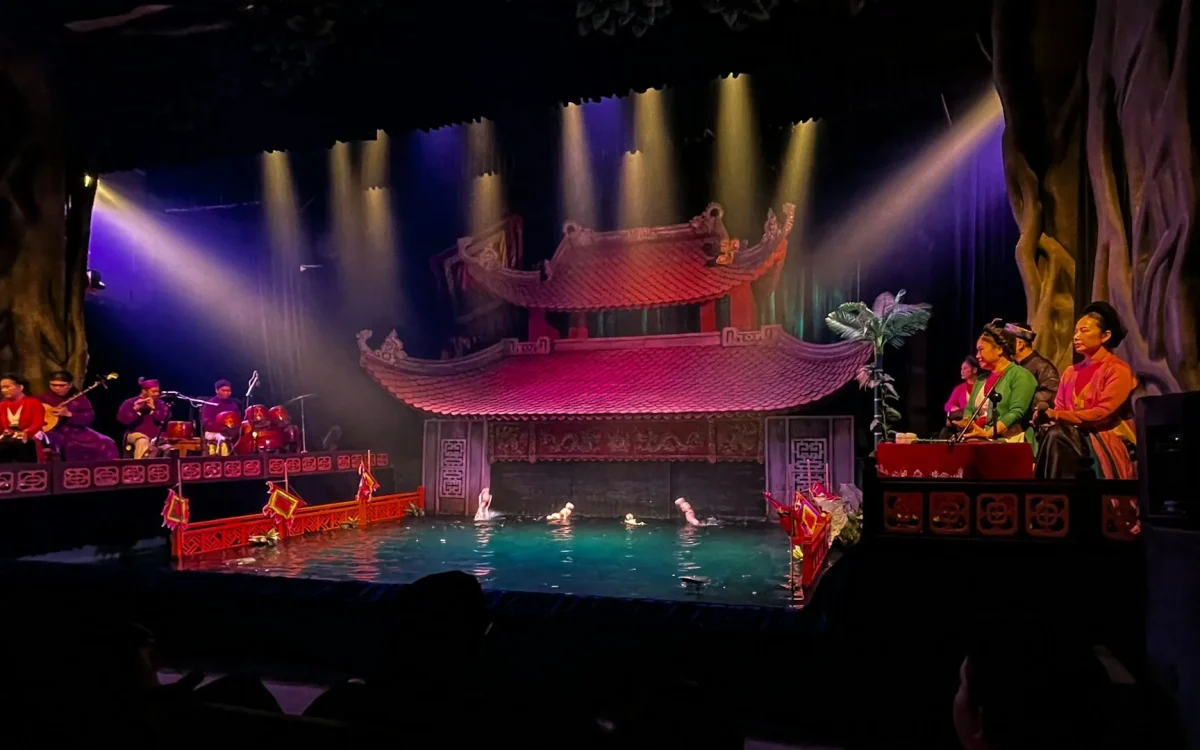
Thailand and Vietnam have rich classical, theatrical and folk traditions. Thailand's piphat ensembles and khaen-driven mor lam, Vietnam's one-string đàn bầu, court music of Huế and the sung poetry of ca trù.
In this guide
Southeast Asia is home to some of the world’s most varied musical traditions, from bronze gong ensembles to bamboo mouth organs and delicate string instruments. This guide focuses on two countries with especially rich and distinctive music: Thailand, whose classical ensembles accompany dance and ritual and whose northeastern folk music has become a popular phenomenon, and Vietnam, known for its expressive solo instruments, court music and sung poetry. Both countries combine ancient traditions with modern popular styles.
Thai classical music
Thai classical music developed in royal courts and temples, influenced by neighbouring cultures, especially the Khmer. It is traditionally learned orally from teachers, and students honour their teachers in a ceremony called wai khru. Thai classical music uses a tuning system of seven roughly equal steps in the octave, which gives it a sound different from Western scales. Pieces are often built from a core melody that different instruments elaborate in their own ways.
The piphat ensemble
| Instrument | Type | Role |
|---|---|---|
| Ranat ek | Wooden xylophone | Leads with fast, decorated melody |
| Khong wong yai | Circle of tuned gongs | Plays the core melody |
| Pi | Double-reed oboe | Adds a piercing melodic voice |
| Ching | Small cymbals | Marks the rhythmic cycle |
| Taphon and klong that | Drums | Provide rhythmic patterns |
The piphat ensemble accompanies ceremonies, theatre and dance, especially khon, the masked dance drama based on the Ramakien, the Thai version of the Ramayana. Khon was recognised by UNESCO in 2018. The mahori ensemble adds string instruments and was traditionally played in the palace for entertainment.
Mor lam and the khaen
In Isan, northeastern Thailand, and in neighbouring Laos, a popular folk tradition called mor lam features singers improvising or performing long songs accompanied by the khaen, a bamboo mouth organ. The khaen’s pipes are arranged in two rows and sound continuously, creating a rich drone and melody. Mor lam singers tell stories, flirt in duet, give advice and comment on daily life. Modern mor lam bands add electric guitars, bass, drums and keyboards and perform at large festivals. In 2017, UNESCO recognised khaen music of the Lao people.
Luk thung
Luk thung, meaning “child of the fields”, is a Thai popular style that emerged in the mid-twentieth century. Often compared to country music, it tells stories of rural life, migration to the city, love and hardship, sung with ornamented vocals. It became one of the most popular music styles in Thailand, with stars such as Pumpuang Duangjan, often called the queen of luk thung. Luk thung and mor lam frequently blend in modern Thai pop.
Vietnamese instruments
The most famous Vietnamese instrument is the đàn bầu, a monochord with a single string stretched over a long sound box and attached to a flexible rod. The player plucks the string at points that produce harmonics and bends the rod to change the pitch, creating a voice-like, sliding sound. The đàn tranh is a zither, usually with sixteen strings and movable bridges, related to the Chinese guzheng. The đàn nguyệt, or moon lute, has a round body and two strings, and the đàn nhị is a two-stringed fiddle. See Chinese traditional instruments.
Nhã nhạc: court music of Huế
Nhã nhạc, meaning “elegant music”, was the court music of Vietnam’s Nguyễn dynasty, based in the imperial city of Huế from the nineteenth century until 1945. It was performed at ceremonies and royal events by ensembles of drums, wind instruments and strings. After the end of the monarchy, the tradition declined, but efforts to revive it were strengthened after UNESCO recognised it in 2003.
Ca trù: sung poetry
Ca trù is a refined form of sung poetry from northern Vietnam, performed by a female singer who plays a small wooden clapper box, accompanied by a three-stringed long-necked lute and a drum played by a connoisseur who signals appreciation. Ca trù was popular among scholars and the elite, but it nearly disappeared in the twentieth century. In 2009, UNESCO placed it on its list of heritage in need of urgent safeguarding, encouraging efforts to teach it to new generations.
Quan họ and cải lương
Quan họ is a folk singing tradition from Bắc Ninh province, near Hanoi, in which groups of men and women sing call-and-response love songs, traditionally at festivals. Cải lương, meaning “reformed theatre”, is a form of modern folk opera that emerged in southern Vietnam in the early twentieth century, combining southern Vietnamese folk music and chamber music with Western influences and emotional melodrama. The southern chamber music tradition, đờn ca tài tử, is also recognised by UNESCO.
Modern music and traditions
Both Thailand and Vietnam have vibrant pop industries, but traditional music remains important in ceremonies, festivals, theatre and education. Many young musicians study traditional instruments, and some blend them with jazz, rock and electronic music. Tourists can hear traditional performances in cities such as Bangkok, Chiang Mai, Hanoi and Huế.
A closer look: the voice of the đàn bầu
When you listen to a đàn bầu recording, notice how the single string produces gliding, vocal-like melodies. Because the player plays harmonics and bends the pitch with the rod, every note can change shape. Then listen to a Thai ranat ek and notice how its fast, rippling patterns contrast with the đàn bầu’s smooth sound. These contrasts show the variety of Southeast Asian music.
Putting it into practice
Listen to a piphat performance, a mor lam song with khaen, a đàn bầu solo and a ca trù recording. If you travel to the region, look for performances in Bangkok or Huế. The Music Festival Trip Planner AI can help you plan, and the Instrument Origins Guide AI can tell you more about these instruments. See also Indonesian gamelan.
Frequently asked questions
What is a piphat ensemble?
A Thai classical ensemble of xylophones, gong circles, oboe, cymbals and drums.
What is the đàn bầu?
A Vietnamese one-string instrument whose pitch is bent with a flexible rod.
What is mor lam?
A folk song tradition of northeastern Thailand and Laos, accompanied by the khaen mouth organ.
Questions and notes