Raï: Algeria’s Rebel Pop
Raï grew from the bars and weddings of Oran into the defiant pop music of a generation. The cheikhas and cheikhs, the electric revolution of the chebs, Khaled and Rachid Taha, the dark years and raï's life in France.
In this guide
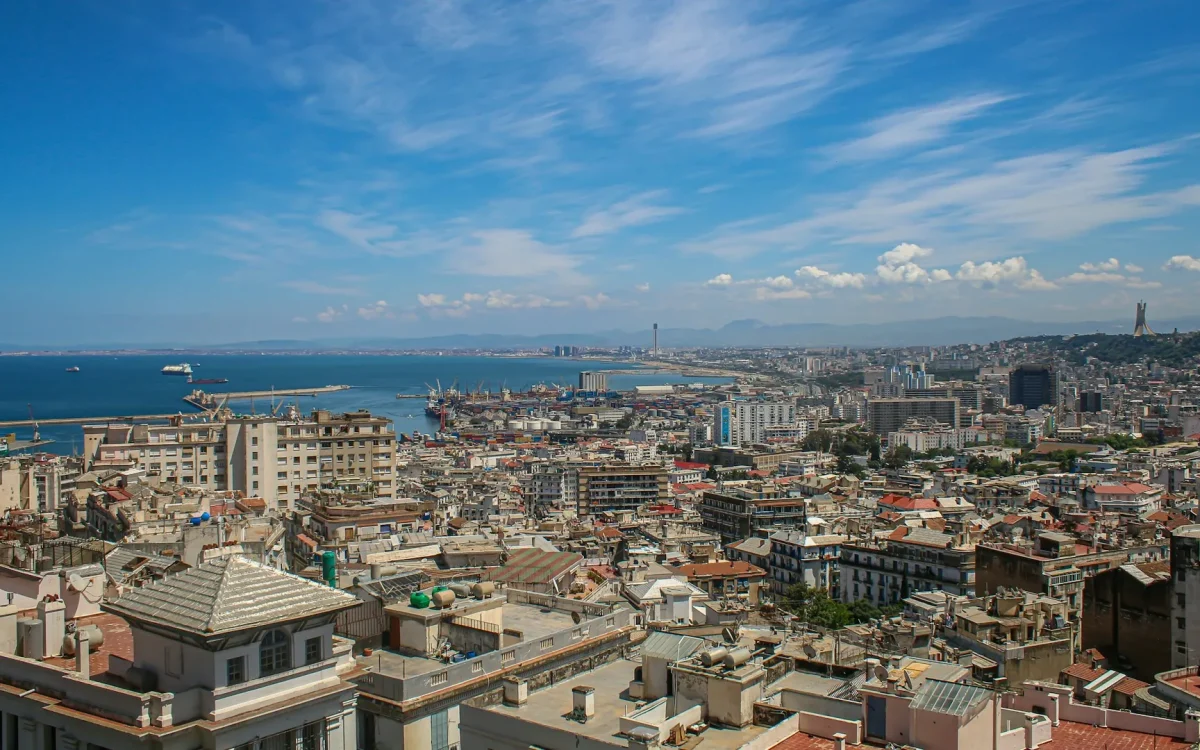
Raï is the sound of Oran, the port city of western Algeria. A wailing voice, a pounding rhythm, a reed flute or a synthesiser and lyrics about love, alcohol, freedom and frustration: raï grew from the bars, weddings and cabarets of the region into a pop phenomenon that crossed the Mediterranean and filled stadiums in France. It has often been controversial, praised as the voice of youth and condemned for its frankness. In 2022, UNESCO inscribed raï as Algerian popular folk song on its list of the Intangible Cultural Heritage of Humanity. This guide explains its story.
What raï means
The word raï means “opinion” or “point of view” in Algerian Arabic. Singers traditionally used the word as an exclamation in their songs, and it came to stand for the music itself. The name suits a style in which singers express their personal views on life, love and society, often in ways that challenged conventional morality.
Roots in Oran
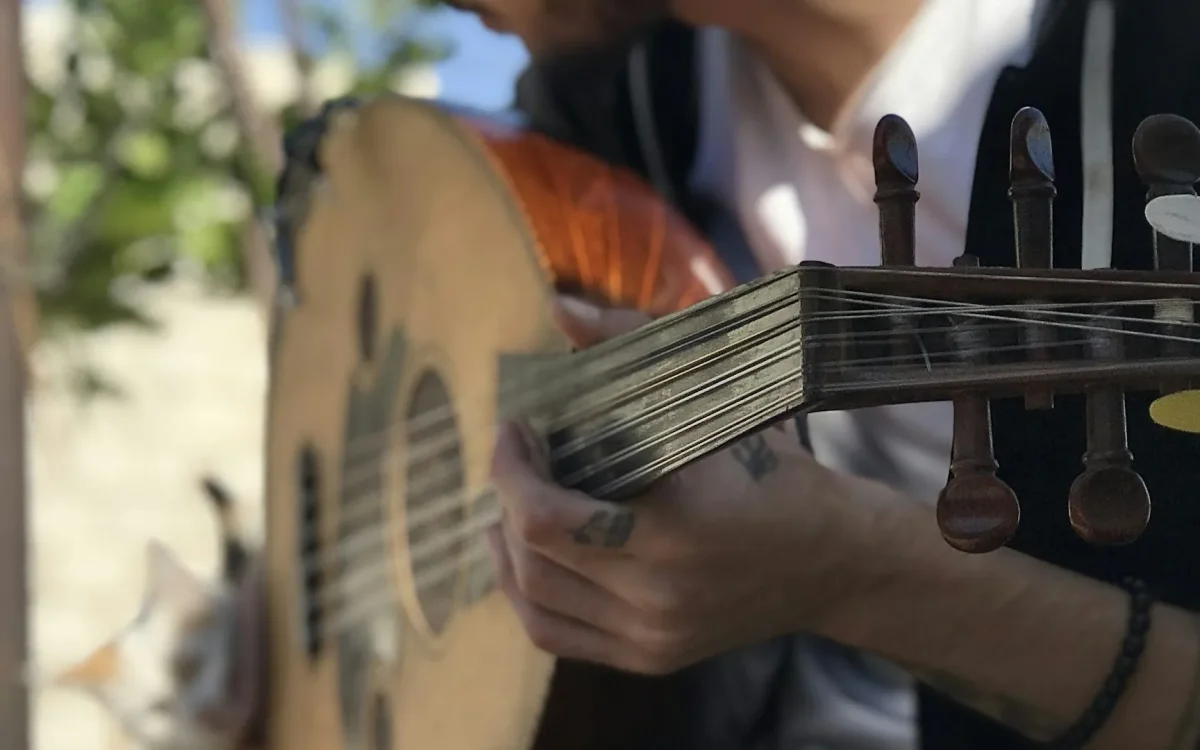
Raï emerged in the early twentieth century in the Oran region, blending rural Bedouin poetry and melodies with the urban music of the city’s working-class districts, cafés and celebrations. Singers performed at weddings and in taverns, accompanied by the gasba, an end-blown reed flute, and the guellal, a single-headed drum. Oran was a cosmopolitan city with Spanish, French, Jewish and Arab influences, and raï absorbed many of these musical currents.
The cheikhas and cheikhs
Early raï singers were known as cheikhs (men) and cheikhas (women). The most famous was Cheikha Rimitti (1923–2006), often called the mother of raï. Her bold songs about love, desire and the hardships of life shocked conservative listeners but won her a devoted following. She recorded and performed for decades, and in later life collaborated with rock and electronic musicians in France.
| Era | Sound | Key figures |
|---|---|---|
| Traditional raï | Voice, gasba and guellal | Cheikha Rimitti and other cheikhs and cheikhas |
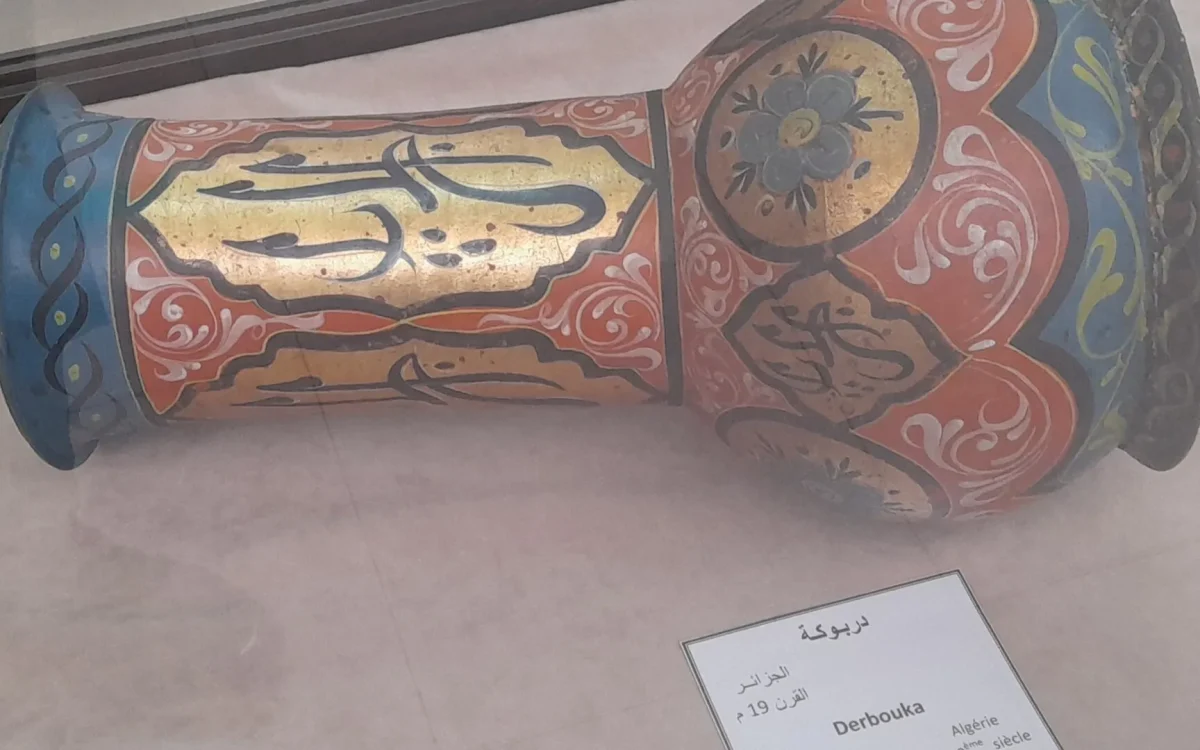
| Modernised raï (1960s–70s) | Violin, accordion, trumpet, darbuka | Bellemou Messaoud, Boutaïba Sghir |
| Pop raï (1980s–90s) | Synthesisers, drum machines, electric guitars | Khaled, Cheb Mami, Cheb Hasni, Chaba Fadela |
| Global raï (1990s–today) | Fusion with rock, hip-hop, R&B | Khaled, Rachid Taha, Faudel and others |
The modernisers
In the 1960s and 1970s, after Algerian independence in 1962, musicians such as the trumpeter Bellemou Messaoud began modernising raï, adding trumpets, saxophones, accordions and violins. These changes made the music louder and more suited to dancing and amplified performance, paving the way for the next generation.
The chebs and pop raï
In the late 1970s and 1980s, a new generation of young singers took the titles cheb (young man) and chaba (young woman), distinguishing themselves from the older cheikhs. They embraced synthesisers, drum machines and electric guitars, and recorded on cheap cassettes that spread rapidly through Algeria. Their songs spoke of love, longing, nightlife and the frustrations of young people facing unemployment and social restrictions. Pop raï became the soundtrack of Algerian youth.
Khaled, the King of Raï
Khaled, who began his career as Cheb Khaled as a teenager in Oran, became the most famous raï singer in the world, known as the King of Raï. Moving to France, he achieved international success with “Didi” in 1992 and “Aïcha” in 1996, which became hits across Europe, the Middle East and beyond. His powerful voice and charisma made raï a global music.
The dark years
During Algeria’s civil conflict in the 1990s, often called the black decade, raï musicians faced threats from armed Islamist groups, who considered the music immoral. In 1994, the popular singer Cheb Hasni was assassinated in Oran, and the producer Rachid Baba Ahmed was killed in 1995. Many musicians left Algeria for France. Despite the violence, raï continued to be listened to and performed.
Raï in France
France, with its large Algerian community, became a second home for raï. Singers recorded and performed in Paris and Marseille, and raï influenced French pop and hip-hop. Rachid Taha, who first became known with the rock band Carte de Séjour, released “Ya Rayah” in 1997, a version of a classic chaabi song that became a huge hit. In 1998, Khaled, Taha and Faudel performed together at the concert “1, 2, 3 Soleils” in Paris, a landmark moment for North African music in France. Later, raï blended with R&B in a trend known as raï’n’b.
Festivals and recognition
Raï festivals have been held in Oran since the mid-1980s, celebrating the music in its home city. UNESCO’s recognition in 2022 highlighted raï’s role as a means of expression for social issues and its importance in Algerian identity.
A closer look: the voice of raï
When you listen to a raï song, notice the singer’s voice: often hoarse, emotional and ornamented, with long, wavering notes. Raï singers often improvise lines and repeat phrases with variations. Then listen to the rhythm, which drives the music forward and invites dancing. The mix of emotional vocals and danceable grooves is at the heart of raï.
Putting it into practice
Listen to a recording by Cheikha Rimitti, a 1980s pop raï song and Khaled’s “Didi”, and compare their sounds. The World Music Genre Explorer AI can explain raï’s links with other North African styles, and the Global Playlist Curator AI can suggest essential tracks. See also Gnawa music.
Frequently asked questions
What does raï mean?
“Opinion” or “point of view” in Algerian Arabic.
Who is the King of Raï?
Khaled, known for hits such as “Didi” and “Aïcha”.
Where does raï come from?
From Oran and the surrounding region of western Algeria.
Questions and notes