Learning the Cajón: Basic Strokes and Grooves
The cajón is a box you sit on and play with your hands, and it can sound like a full drum kit. Its Afro-Peruvian roots, how it reached flamenco, choosing one, bass and slap strokes, first grooves for pop and rumba, and practice tips.
In this guide
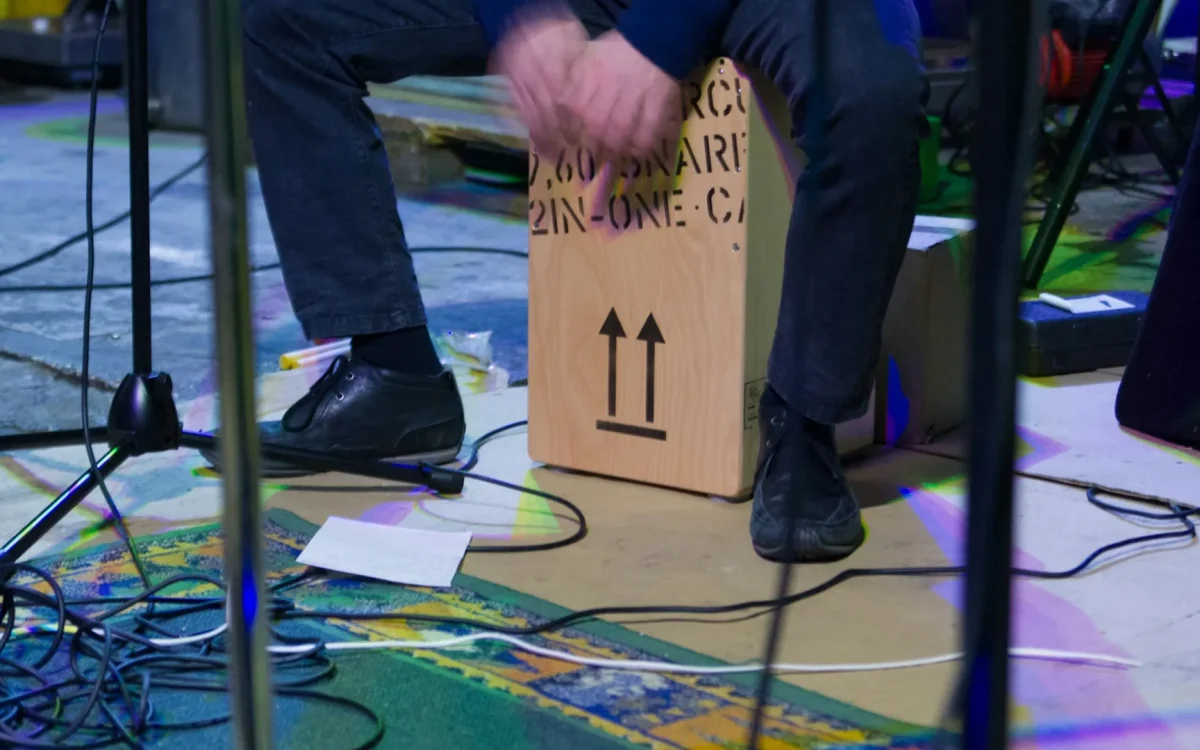
The cajón looks like a simple wooden box, and in a way it is. But sit on one and strike it with your hands, and it produces a deep bass, a crisp snare-like slap and everything in between. The cajón has become one of the world’s most popular percussion instruments, used in acoustic sets, flamenco, Latin music, pop and worship bands. It is affordable, portable and quick to learn. This guide explains its history, its sounds and your first grooves.
Afro-Peruvian roots
The cajón originated in Peru, among Afro-Peruvian communities descended from enslaved Africans brought to the coast during the colonial period. According to common accounts, musicians used wooden crates and boxes as drums, perhaps because drums were restricted or unavailable. By the nineteenth century, the cajón was established in Afro-Peruvian music, accompanying styles such as the landó, festejo and zamacueca. In 2001, Peru declared the cajón part of its national cultural heritage.
The cajón in flamenco
In the 1970s, the Spanish guitarist Paco de Lucía encountered the cajón during a visit to Peru and brought it into his band. Flamenco musicians quickly adopted it, as its sound suited the rhythms of flamenco and the hand claps of palmas. Flamenco makers added snare wires or strings inside the box to create a buzzing sound, and from flamenco, the cajón spread to many other genres. See Flamenco.
How a cajón is built
| Part | Function |
|---|---|
| Tapa | The thin front panel you strike |
| Body | Thicker wooden sides and top |
| Sound hole | Usually at the back, lets the bass resonate |
| Snares | Wires or strings inside the tapa for a buzzing slap (flamenco style) |
| Corners | Upper corners of the tapa, often slightly loose for a sharper slap |
Traditional Peruvian cajóns usually have no snares and a dry, woody sound. Flamenco-style cajóns have snares, giving a buzzing, snare-drum-like effect. Many modern cajóns let you adjust or turn off the snares.
Choosing a cajón
For beginners, a standard-size cajón with adjustable snares offers the most versatility. Look for a well-made instrument with a responsive tapa, a deep bass and a clear slap. Avoid very cheap cajóns with thick, unresponsive fronts. See our guide to the best cajóns.
Posture
Sit on the top of the cajón, towards the back edge, with your feet flat on the floor and the tapa between your knees. Tilt the cajón slightly back by leaning, so that the sound hole is not blocked and you can reach the tapa comfortably. Keep your back straight and your arms relaxed. Strike the tapa by reaching down between your knees.
The bass stroke
The bass is produced by striking the centre of the tapa, about a third of the way down from the top, with a flat, relaxed palm and fingers. Let the hand bounce off immediately so the tapa can vibrate. The sound should be deep and round. Practise alternating hands on the bass, keeping the sound consistent.
The slap
The slap is produced by striking near the top edge of the tapa with relaxed fingers, letting the fingertips hit the surface while the palm stays just above or lightly touches the edge. The slap should be sharp and crisp, like a snare drum. With snares engaged, it will buzz. Practise slaps with each hand, aiming for a clear, even sound.
Ghost notes
Ghost notes are soft, quiet strokes, usually with the fingertips, played between the main strokes. They fill out the groove and add a sense of flow. Once you can play basses and slaps cleanly, add ghost notes between them to make your grooves sound more natural.
Your first groove
A basic pop or rock groove uses a bass on beats 1 and 3 and a slap on beats 2 and 4: bass, slap, bass, slap. Play it slowly with a metronome, alternating hands: right hand bass, left hand slap. Then add ghost notes on the off-beats. This simple groove fits a huge number of songs and is the foundation for many variations.
Rumba flamenca
For a flamenco-style rumba, play a pattern in four beats: bass on beat 1, slap on the “and” of 2, bass on beat 3, slap on beat 4, with ghost notes in between. Listen to rumba flamenca recordings and try to match the feel. Flamenco cajón playing often involves rapid ghost notes and complex accents, which you can build up over time.
Afro-Peruvian rhythms
To honour the cajón’s origins, explore Afro-Peruvian rhythms such as the festejo and landó. These rhythms often feel in a mix of duple and triple pulses and are played with characteristic accents. Listening to Afro-Peruvian music will deepen your understanding of the instrument. See African polyrhythm.
A closer look: tone control
You can change the cajón’s sound by striking different areas of the tapa and using different parts of your hand. Strike lower for a deeper bass, higher for a sharper slap. Use your fingertips for soft notes and your palm for powerful accents. Experimenting with these variations will give your playing more colour.
Putting it into practice
Practise bass and slap for ten minutes a day, then the basic groove with a metronome. Play along with songs you like. The Learn a World Instrument Coach AI can build a practice plan, and the World Rhythm Coach AI can teach you rumba and Afro-Peruvian patterns.
Frequently asked questions
Where does the cajón come from?
From Afro-Peruvian communities in Peru.
What are the snares in a cajón?
Wires or strings inside the front panel that create a buzzing, snare-like sound.
Is the cajón good for beginners?
Yes. It is affordable and quick to learn, with two basic strokes: bass and slap.
Questions and notes