Which World Instrument Should You Learn First?
Kalimba or djembe, ukulele or oud? Choosing your first world instrument depends on budget, goals, space and how you like to play. A comparison of popular options, from the easiest starters to lifelong challenges, and how to get started well.
In this guide
The world is full of fascinating instruments, from the gentle kalimba to the thundering djembe, the shimmering handpan and the soulful oud. If you want to start playing music from another culture, or simply try something new, choosing your first instrument can feel overwhelming. The right choice depends on your budget, your musical goals, where you live and how you like to play. This guide compares popular world instruments and helps you decide where to begin.
Questions to ask yourself
Before choosing, think about a few questions. What music moves you most: African drumming, Irish sessions, Middle Eastern melodies, Andean folk? Do you want to play alone or with others? How much can you spend? Do you live in an apartment where noise is a concern? Do you want quick results or a lifelong challenge? Your answers will point you toward the right instrument.
Comparing popular instruments
| Instrument | Ease | Typical cost | Best for |
|---|---|---|---|
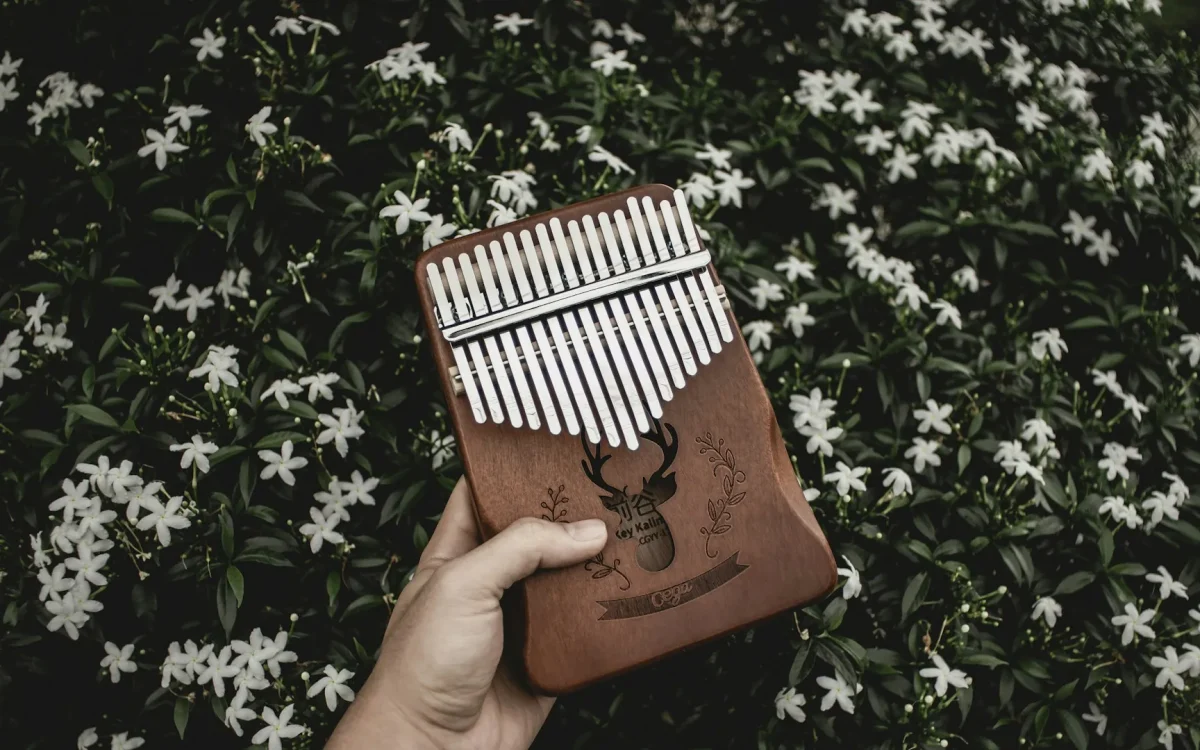
| Kalimba | Very easy | Low | Solo relaxation, melodies, children |
| Steel tongue drum | Very easy | Low to medium | Meditation, gifts, beginners |
| Ukulele | Easy | Low | Singing, chords, many styles |
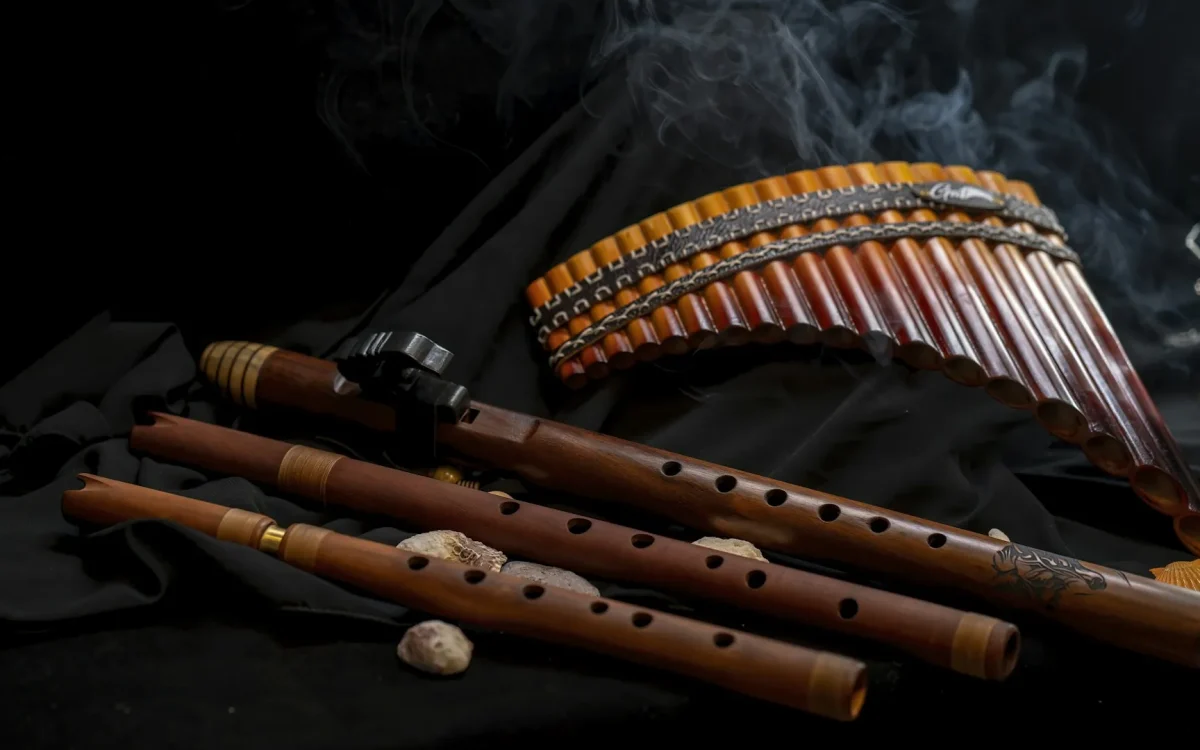
| Tin whistle | Easy to start | Very low | Irish and Celtic tunes |
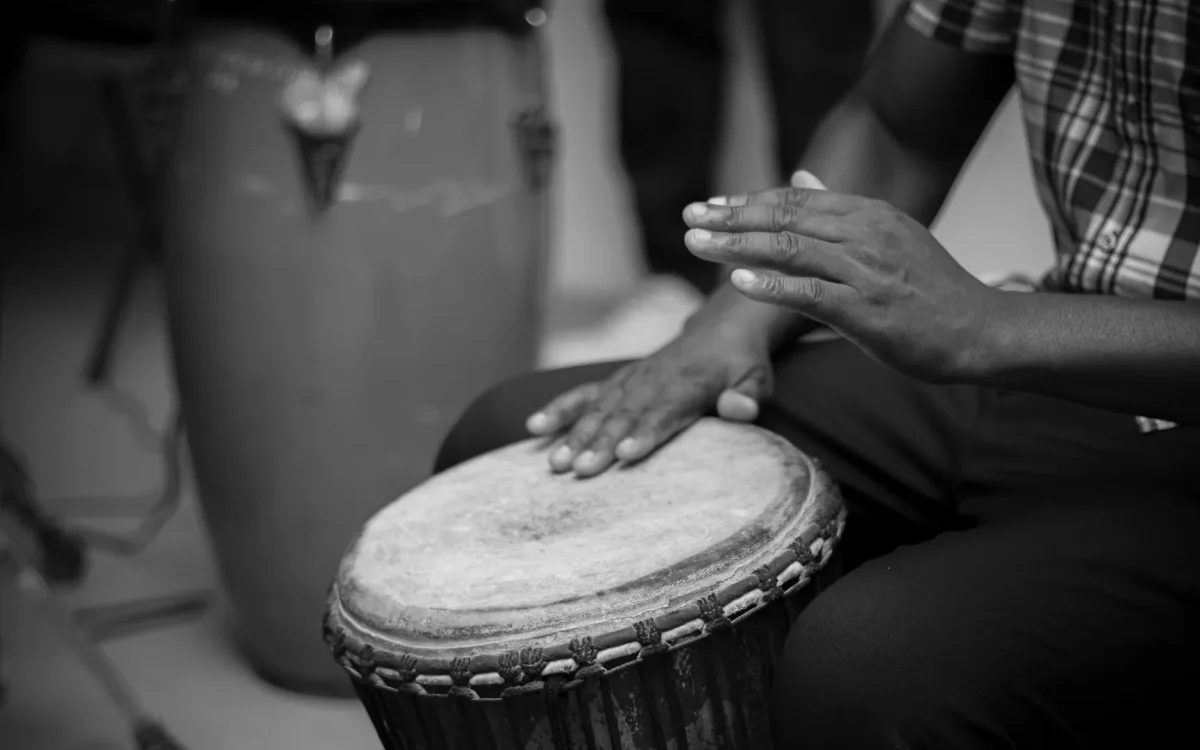
| Djembe | Easy to start | Medium | Group drumming, rhythm |
| Cajón | Easy | Medium | Accompanying songs, bands |
| Darbuka | Moderate | Medium | Arabic, Turkish and Balkan rhythms |
| Bodhrán | Moderate | Medium | Irish sessions |
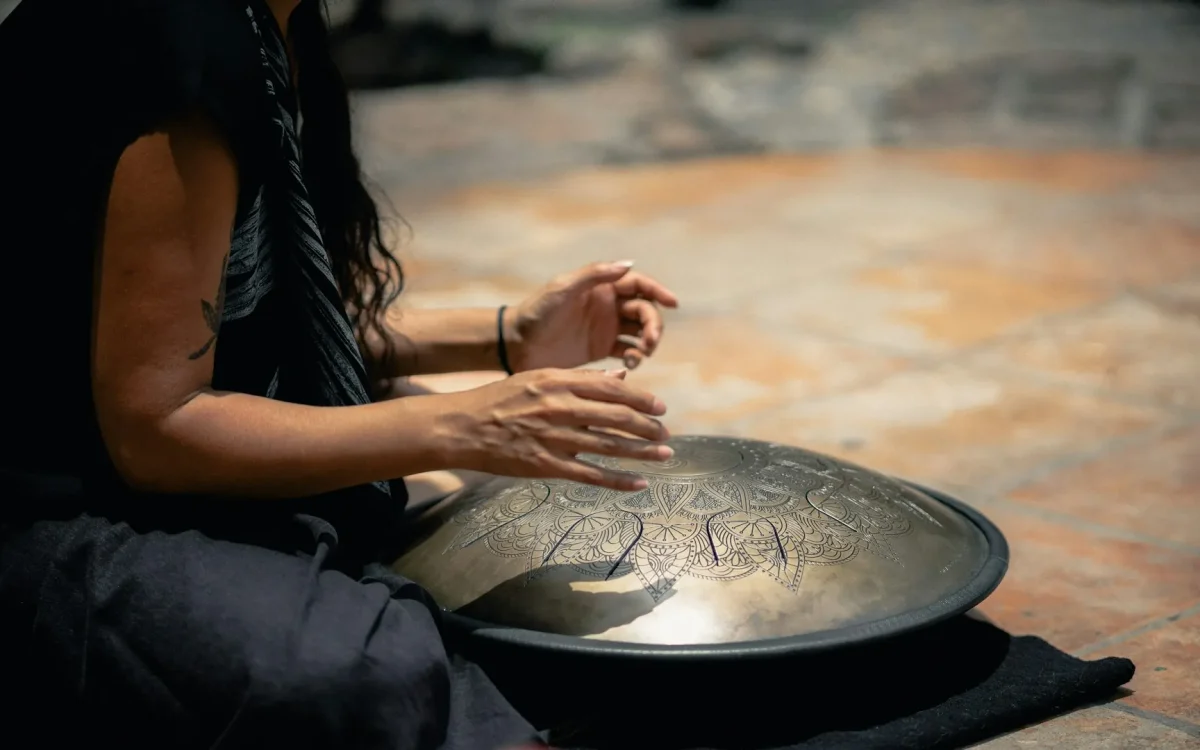
| Handpan | Easy to start | High | Melodic improvisation, meditation |
| Charango | Moderate | Medium | Andean music |
| Oud | Challenging | Medium to high | Arabic and Turkish music |
| Sitar | Very challenging | Medium to high | Indian classical music |
Easiest instruments to start
If you want quick, satisfying results, the kalimba and steel tongue drum are ideal. Both are tuned to a scale, so you can play pleasant melodies almost immediately, and both are affordable and quiet enough for apartments. The ukulele is also easy to start, with simple chords that let you accompany songs within weeks. See learning the kalimba and tongue drum vs handpan.
Best for rhythm lovers
If you love rhythm, consider a hand drum. The djembe is perfect for group drumming and drum circles, with three basic sounds that open up West African rhythms. The cajón is ideal for accompanying guitarists and singers, sounding like a small drum kit. The darbuka lets you play Arabic and Turkish rhythms and fits easily in a bag. Frame drums such as the bodhrán or tar are light and versatile. See djembe, cajón and darbuka.
Best for social playing
If you want to play with others, choose an instrument with an active community near you. The tin whistle, fiddle and bodhrán will take you into Irish sessions; the djembe into drum circles; the ukulele into ukulele clubs, which are found in many cities. Playing with others accelerates learning and makes practice more enjoyable. See how to join a folk session.
Best for melody and improvisation
If you want to create melodies and improvise, the handpan is wonderful, though expensive. Its fixed scale means every note sounds good together. The kalimba offers similar freedom at a fraction of the price. For a more demanding but rewarding path, the oud opens the world of Arabic maqam, though its fretless neck requires a good ear and ideally a teacher. See learning the handpan and the oud.
Lifelong challenges
Some instruments are tied to deep classical traditions and reward many years of study. The sitar, the oud, the kora and the tabla, for example, require patient practice and, ideally, a teacher from the tradition. If you are drawn to these instruments, start with realistic expectations, look for a teacher and enjoy the journey. Even a few months of study will transform how you hear the music.
Budget and space
If budget is tight, start with a tin whistle, kalimba or ukulele, all of which cost very little. If you live in an apartment, avoid loud instruments such as the djembe or bagpipes, or practise with care. Consider renting an instrument or buying second-hand from a reputable seller before committing to an expensive purchase. Our gear guides, such as the best kalimbas and best ukuleles, can help.
Getting started well
Whatever instrument you choose, start with short, regular practice sessions, ten to fifteen minutes a day. Learn the basic techniques carefully, listen to great players of the tradition and seek out a teacher or community. Learn about the culture and history of the instrument, which deepens your understanding and respect. Above all, enjoy the process.
A closer look: try before committing
Many music shops, festivals and workshops let you try instruments before buying. Taking a single lesson or workshop on several instruments is a great way to discover which one feels right. Pay attention to which instrument you find yourself wanting to play again.
Putting it into practice
Make a short list of two or three instruments, listen to music played on each and, if possible, try them. Our What Should I Listen To quiz can help you discover traditions you love. The Learn a World Instrument Coach AI can recommend an instrument based on your goals and create a practice plan.
Frequently asked questions
What is the easiest world instrument to learn?
The kalimba and steel tongue drum are among the easiest, as they are tuned to a scale.
What is a good first hand drum?
The djembe for group drumming, the cajón for accompanying songs and the darbuka for Middle Eastern rhythms.
Do I need a teacher?
Not for simple instruments, but a teacher is very helpful for complex traditions such as the sitar or oud.
Questions and notes