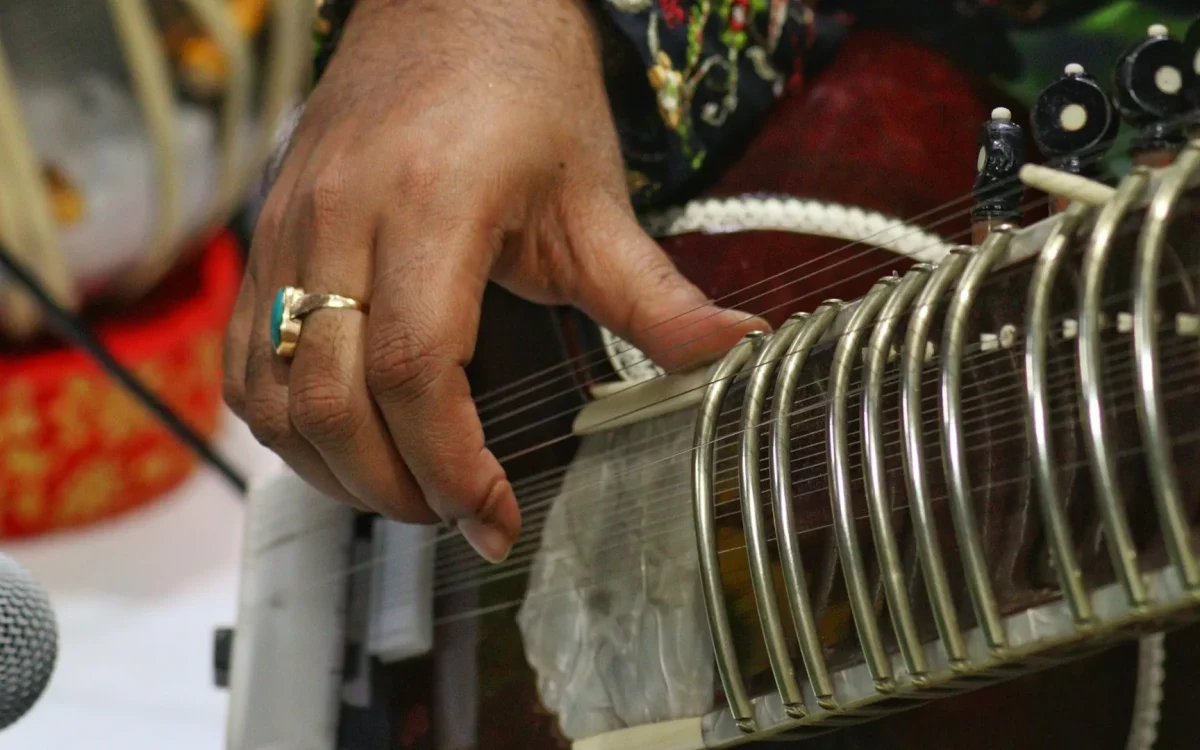
The Sitar: How It Works and Why It Sounds That Way
The sitar's shimmering buzz and singing glides come from clever acoustics: a curved jawari bridge, sympathetic strings and high, movable frets. How each part works, how the strings are tuned,…
Hear the World, One Sound at a Time
Every BestWorldMusic guide, newest first: Latin, African, Asian, Middle Eastern and European music, world instruments, festivals and travel, and gear.
122 guides
The sitar's shimmering buzz and singing glides come from clever acoustics: a curved jawari bridge, sympathetic strings and high, movable frets. How each part works, how the strings are tuned,…
Fado is the soulful song of Lisbon and Coimbra, sung with the Portuguese guitar and full of saudade. Its history in Lisbon's old quarters, Amália Rodrigues, the guitarra portuguesa, Coimbra's…
Samba is Brazil's national rhythm, born from Afro-Brazilian traditions and made famous by Rio's carnival. Its history, the instruments of the bateria, the samba schools and the many styles of…
A good cajón has a deep, round bass, a crisp slap and a snare sound you can control. Snare types, tapa wood, size and bass ports explained, with six reliable…
Brittany and Galicia have their own Celtic-identified music, with bagpipes, chain dances and festivals. The Breton fest-noz, kan ha diskan and bagad, Alan Stivell's harp revival, and Galicia's gaita, muiñeira,…
Cumbia began on Colombia's Caribbean coast and travelled across Latin America, transforming in every country it reached. Its roots, instruments, rhythm and regional styles from Mexico to Peru and Argentina.
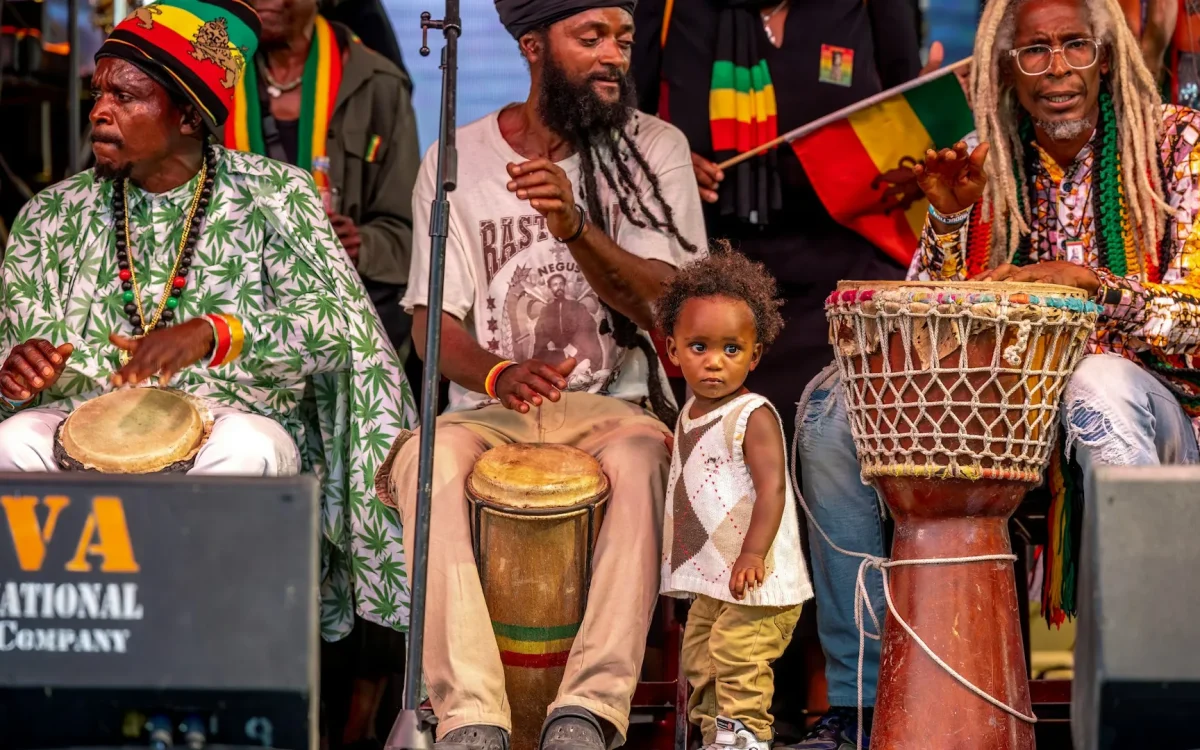
Reggae grew from ska and rocksteady in late-1960s Jamaica and carried a message of resistance and spirituality around the world. How the rhythm works, the key artists, dub, dancehall and…
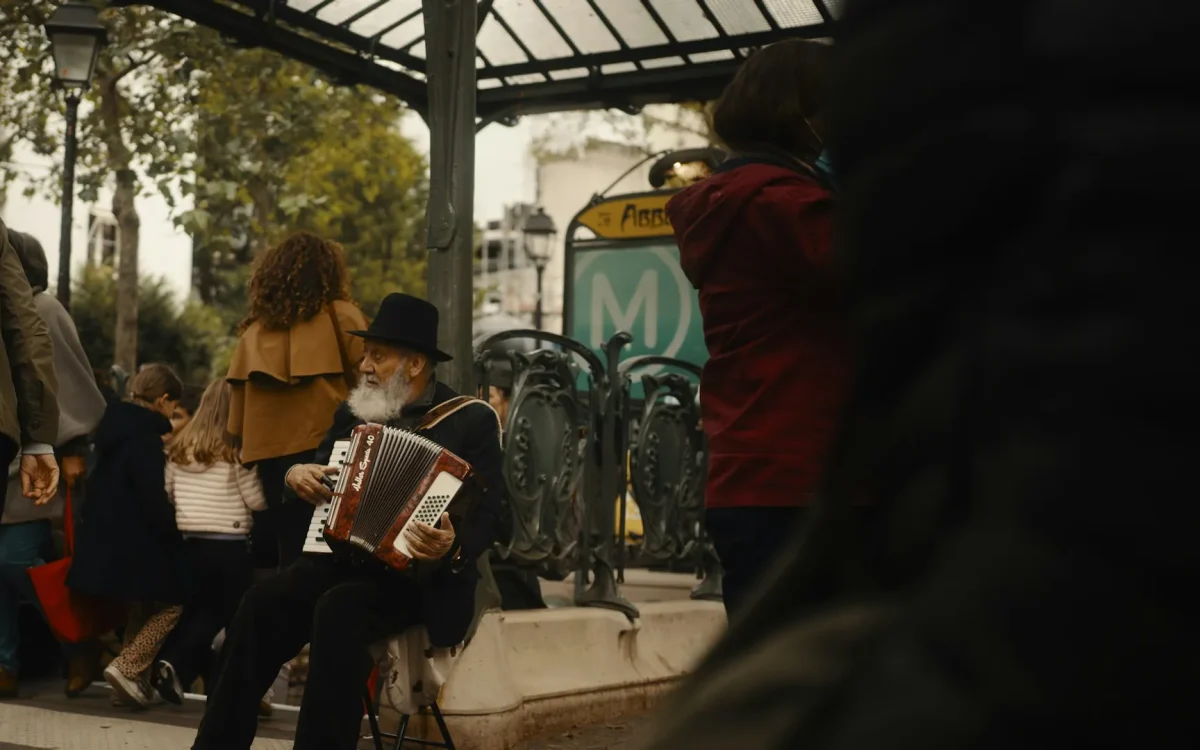
French chanson puts the words first: songs as poems, sung with drama and intimacy. From Montmartre cabarets and Édith Piaf to the poet-singers Brassens, Brel and Barbara, the yé-yé years…
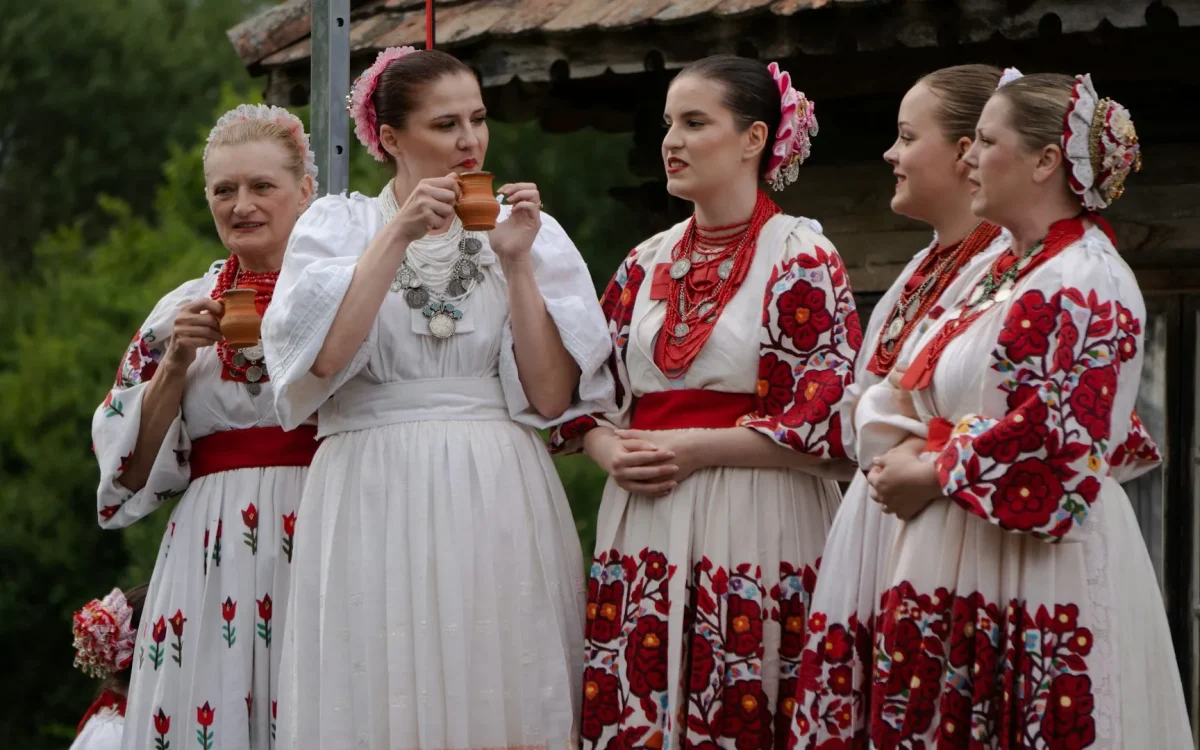
Eastern Europe's folk instruments include the shimmering cimbalom, the dark-toned tárogató, Ukraine's many-stringed bandura and the Romanian panpipe. How they work, their history and the musicians who play them.
One letter separates them, but Afrobeat and Afrobeats are different styles from different eras. Fela Kuti's long political grooves versus today's West African pop, and how the two are connected.
The open-throated voices of Bulgarian women's choirs stunned the world in the 1980s. The village singing behind them, close harmonies in seconds, the odd meters of Bulgarian dance, the gaida,…
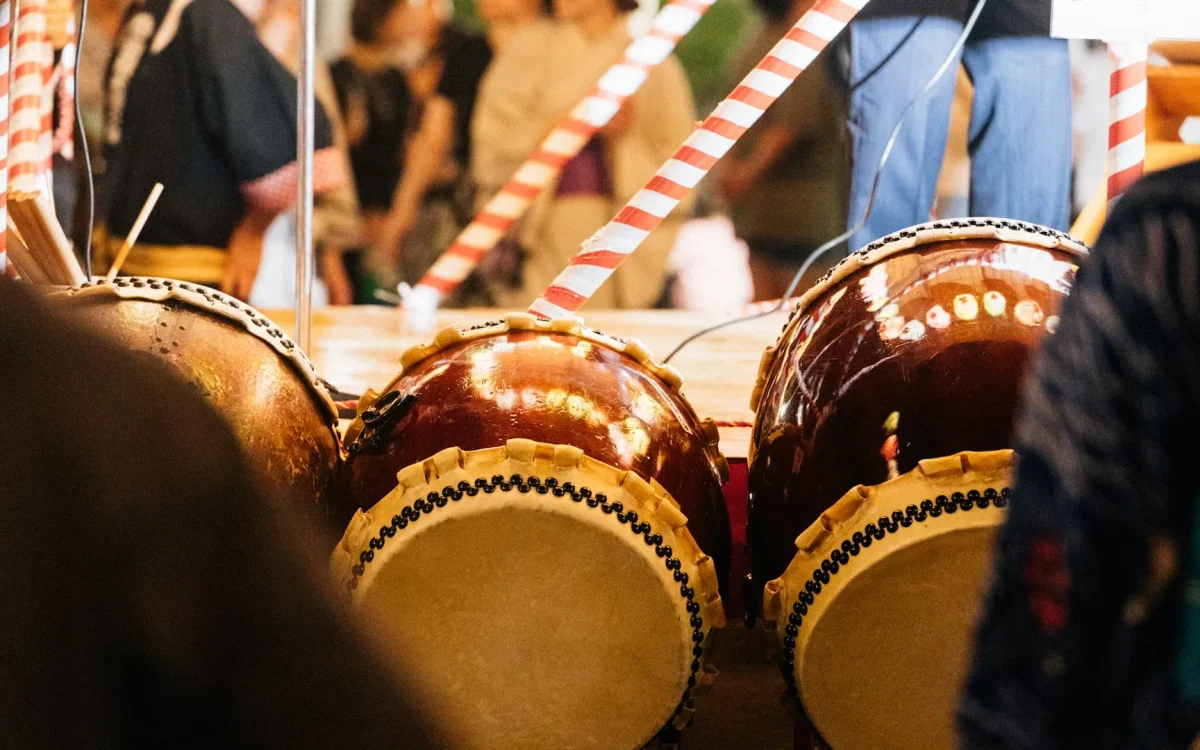
Taiko combines thunderous drums, athletic movement and shouted calls into one of the world's most exciting performance styles. Its roots in shrines, temples and festivals, the birth of ensemble taiko…
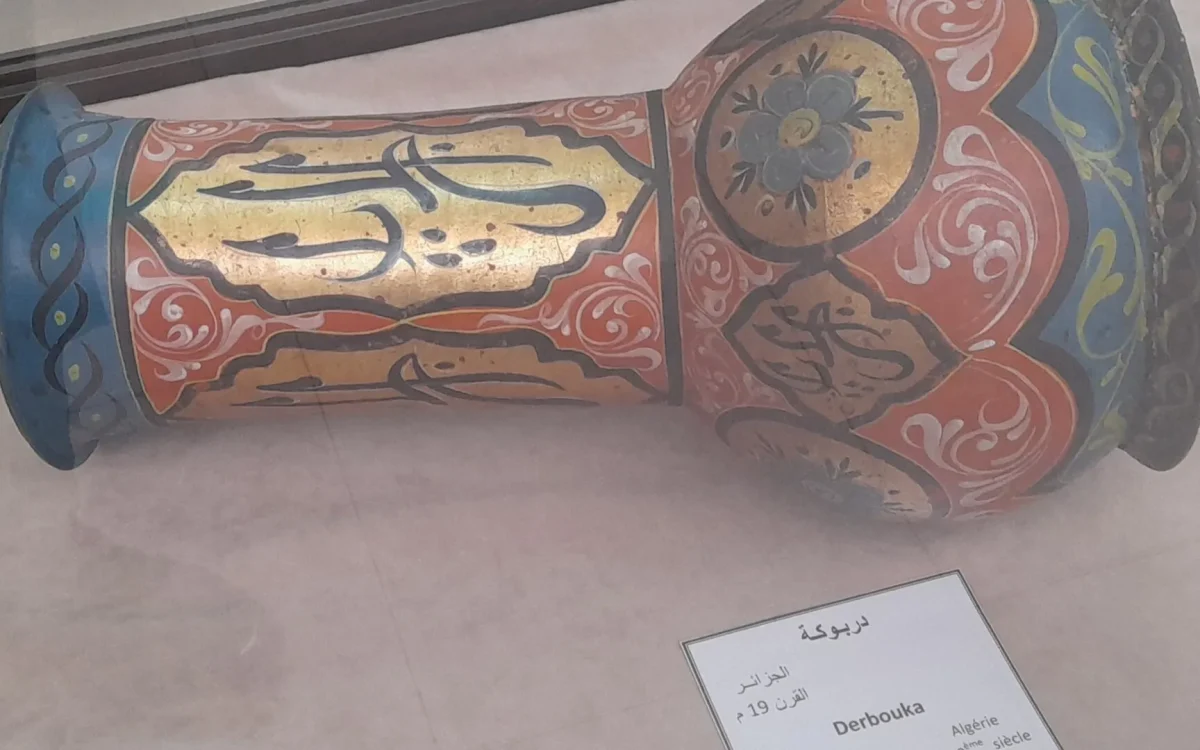
A handful of rhythms drive most Arabic pop, folk and dance music. How to read doum and tek, then learn maqsoum, baladi, saidi, malfuf, ayoub and masmoudi step by step,…
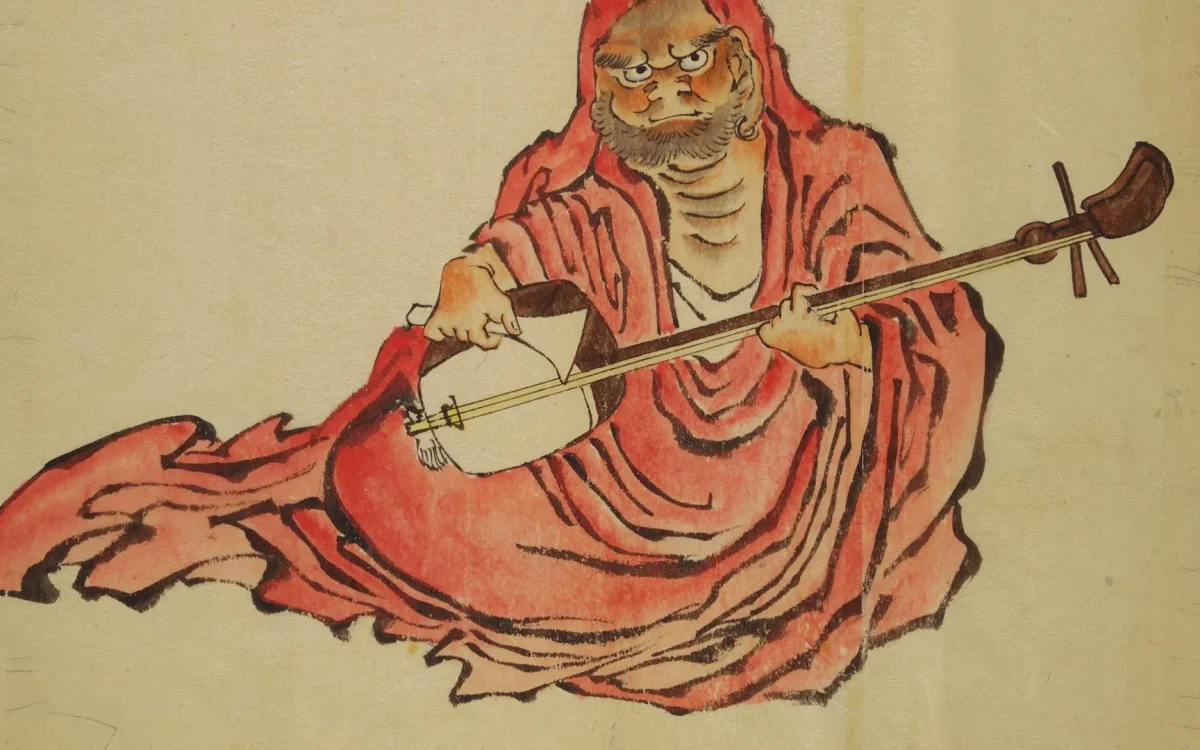
Japanese traditional music values clarity, space and tone colour. The koto, shakuhachi and shamisen, the ancient court music gagaku, the music of noh and kabuki, Japanese scales and the idea…
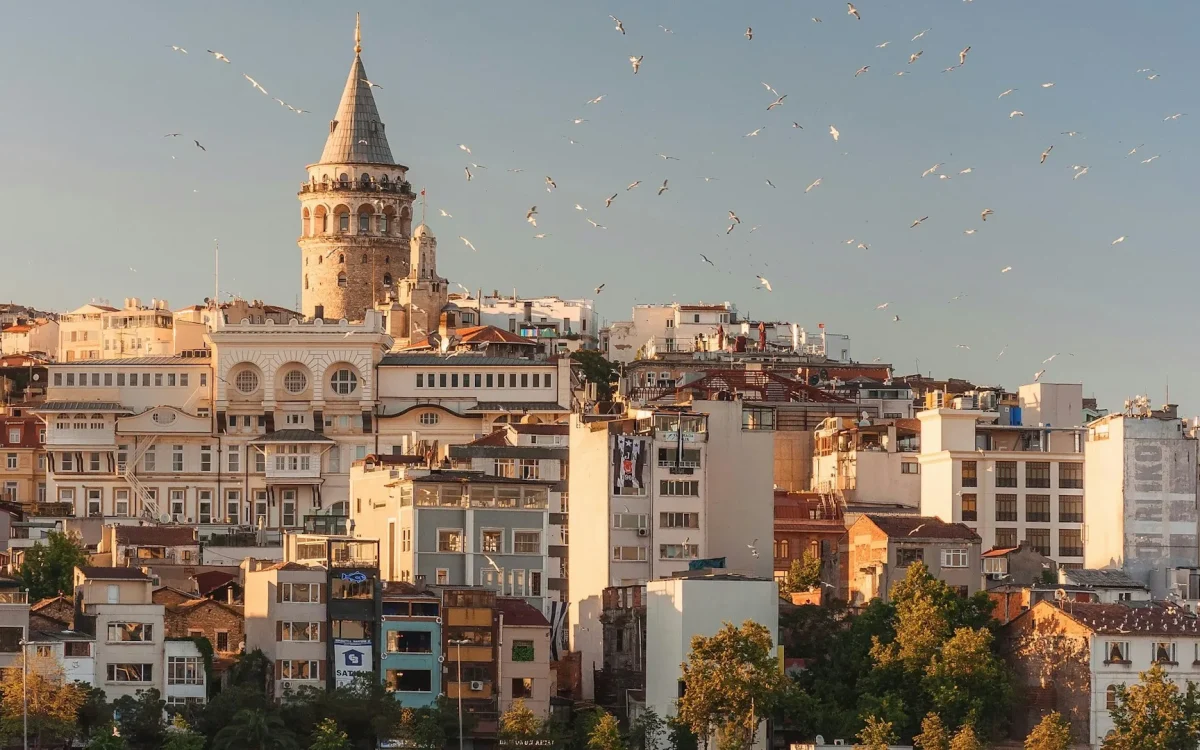
Turkish music bridges East and West, from the refined makam music of the Ottoman court to the bağlama songs of Anatolian minstrels. Instruments, makam and usul, the mehter band, aşık…
The clave is a short, five-stroke pattern that organises salsa, son, rumba and much Latin music. What son clave and rumba clave are, what 3-2 and 2-3 mean, and how…
Qawwali is the ecstatic devotional music of South Asian Sufism, sung at shrines to bring listeners closer to the divine. Amir Khusrau's legacy, how a qawwali party performs, the poetry…
Tongue drums and handpans both make dreamy, scale-tuned notes, but they differ hugely in sound, price and care. A side-by-side comparison of how they work, how they sound, how they…
Handpans and steel tongue drums produce dreamy, scale-tuned notes, but their prices range from tens to thousands of dollars. How to choose a scale, material and maker, and six well-regarded…
Congolese rumba grew from Cuban records heard in 1940s Kinshasa and became Africa's most influential dance music. Its great bands, the sebene guitar break, the faster soukous style and UNESCO…
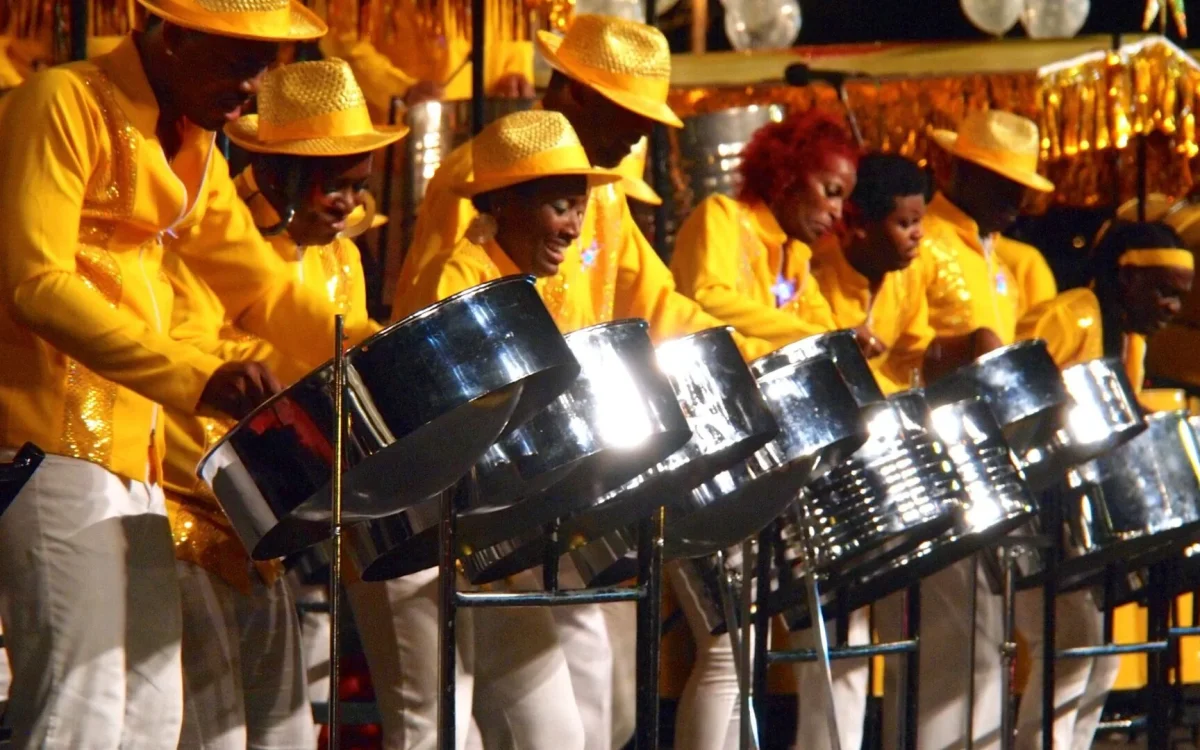
The steelpan was born in Trinidad's yards in the 1930s and 1940s, hammered from oil drums into the only major acoustic instrument invented in the twentieth century. Its story, its…
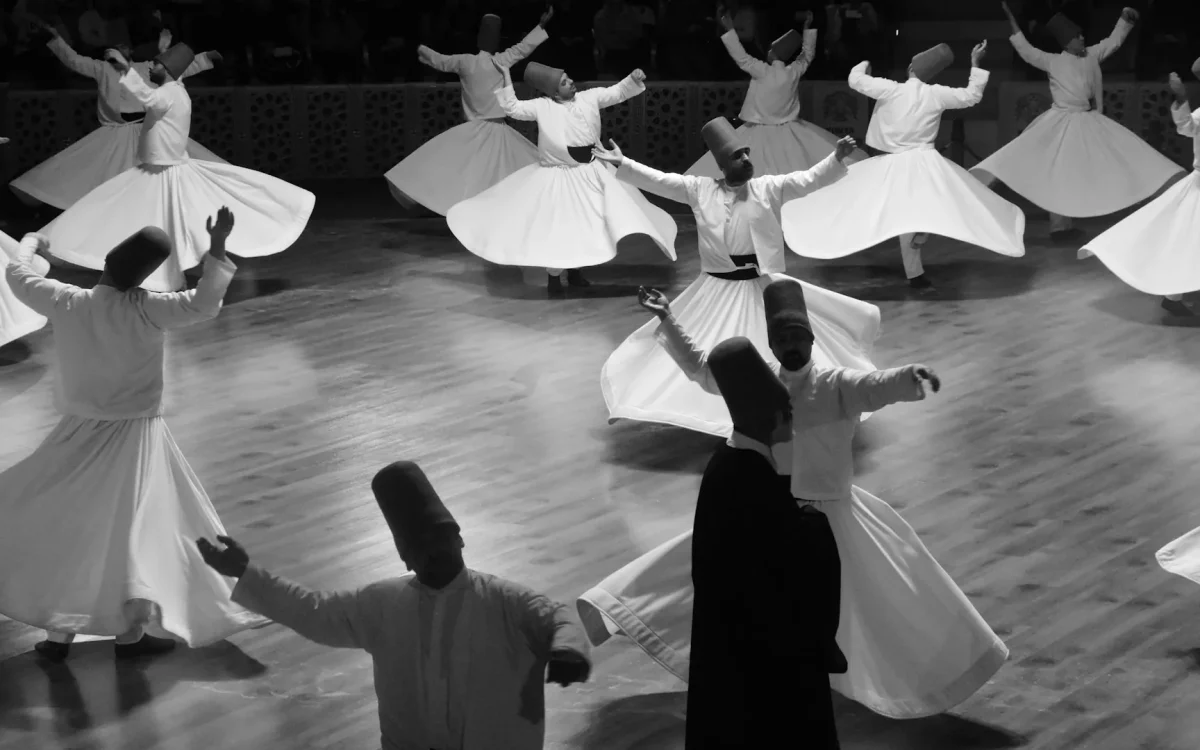
The whirling dervishes of the Mevlevi order turn to the breath of the ney in a ceremony of spiritual remembrance. Rumi's legacy, the structure and symbolism of the sema, its…
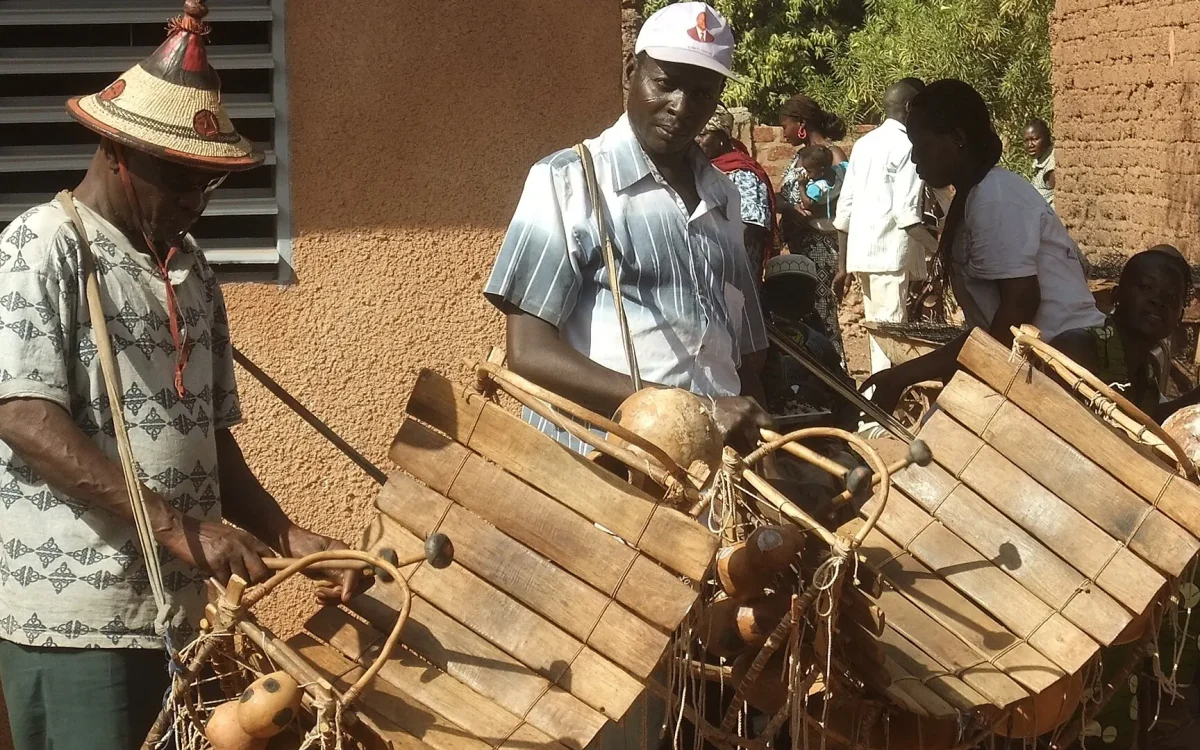
Wooden xylophones with gourd resonators have been played in Africa for centuries, and their descendants ring out in Guatemala, Mexico and Colombia. The West African balafon, the timbila and amadinda,…
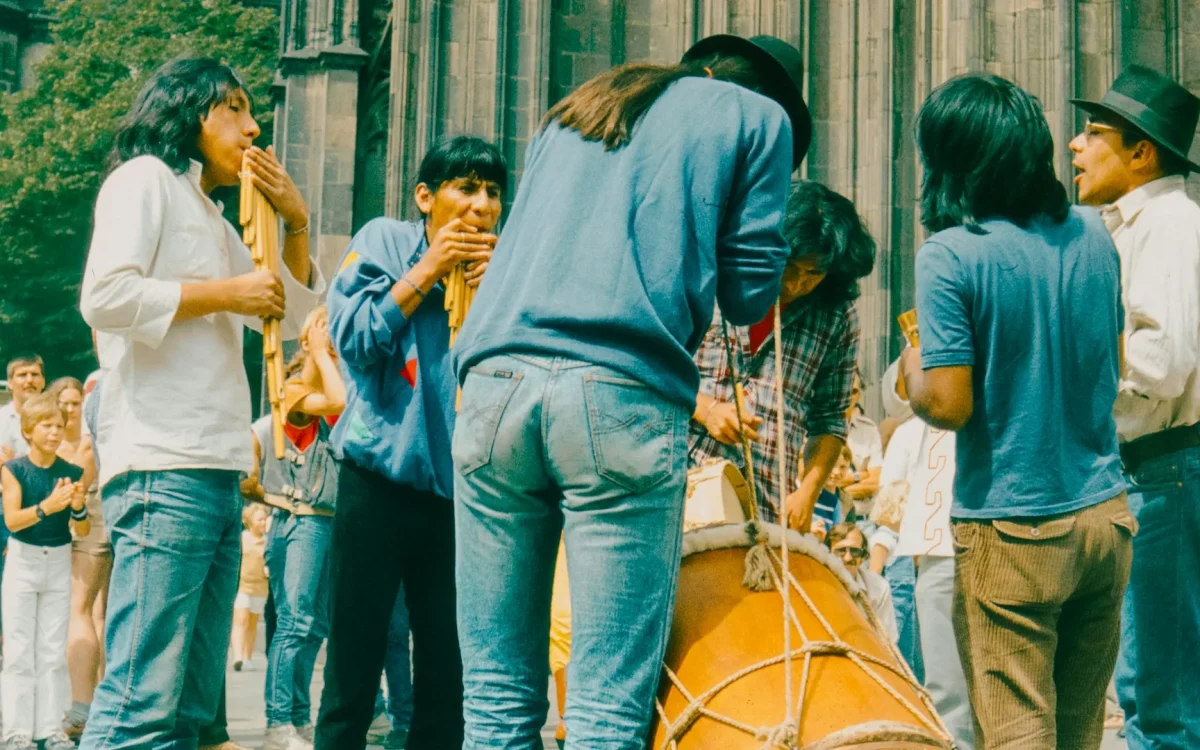
The music of the Andes, from Peru and Bolivia to Ecuador, Chile and Argentina, combines Indigenous flutes and panpipes with string instruments brought by the Spanish. Its instruments, the huayno,…
The weekly world music letter
A new guide, a listening suggestion and a festival tip in your inbox each week. Free, and easy to leave.